
Corvin Castle, also known as Hunyadi Castle or Hunedoara Castle (Romanian: Castelul Huniazilor or Castelul Corvinilor; Hungarian: Vajdahunyadi vár), is a Gothic–Renaissance castle in Hunedoara, Romania. It is one of the largest castles in Europe and is featured as one of the Seven Wonders of Romania.
Corvin Castle was laid out in 1446, when construction began by order of Voivode of Transylvania John Hunyadi (Hungarian: Hunyadi János, Romanian: Iancu or Ioan de Hunedoara), who wanted to transform the former keep built by Charles I of Hungary. The castle was originally given to John Hunyadi’s father, Voyk (Vajk), by Sigismund of Luxembourg, king of Hungary and Croatia, as severance in 1409. It was also in 1446 that John Hunyadi was elected as the regent governor by the Diet.
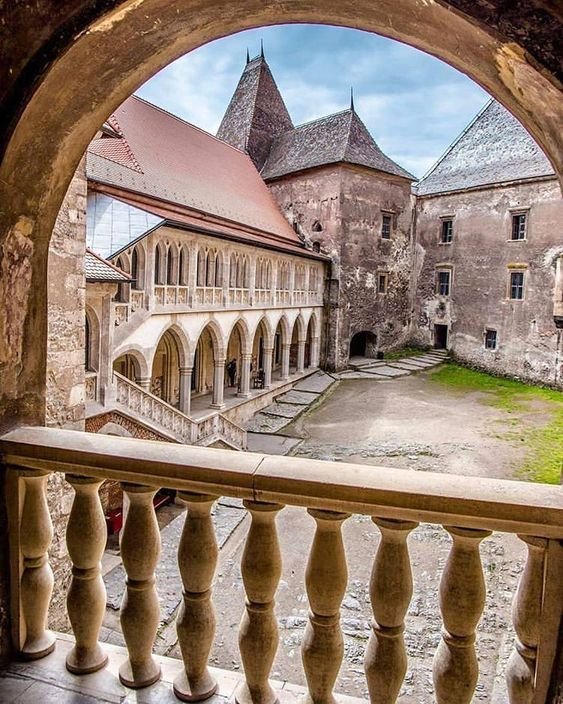
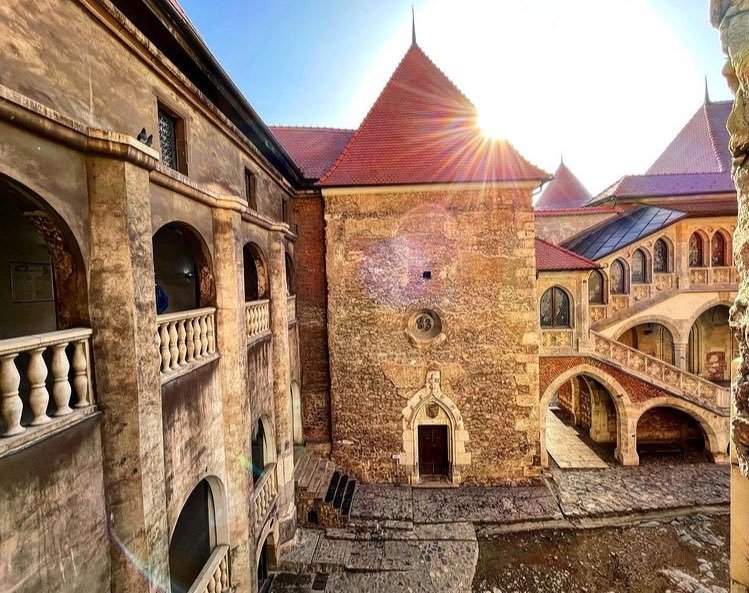
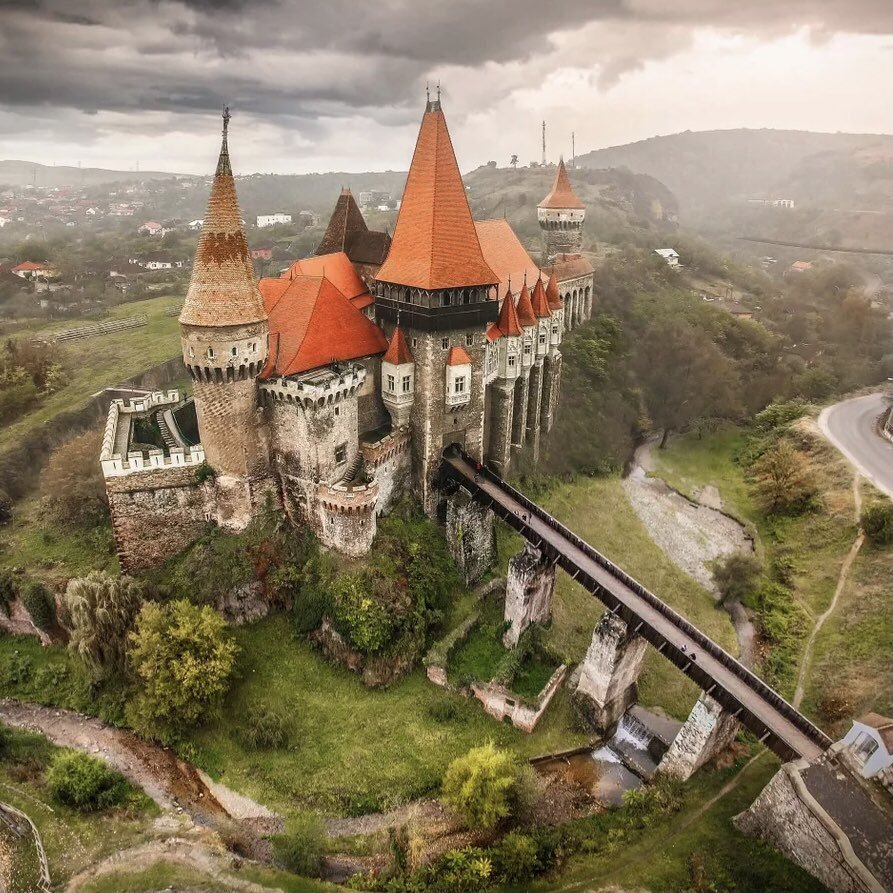
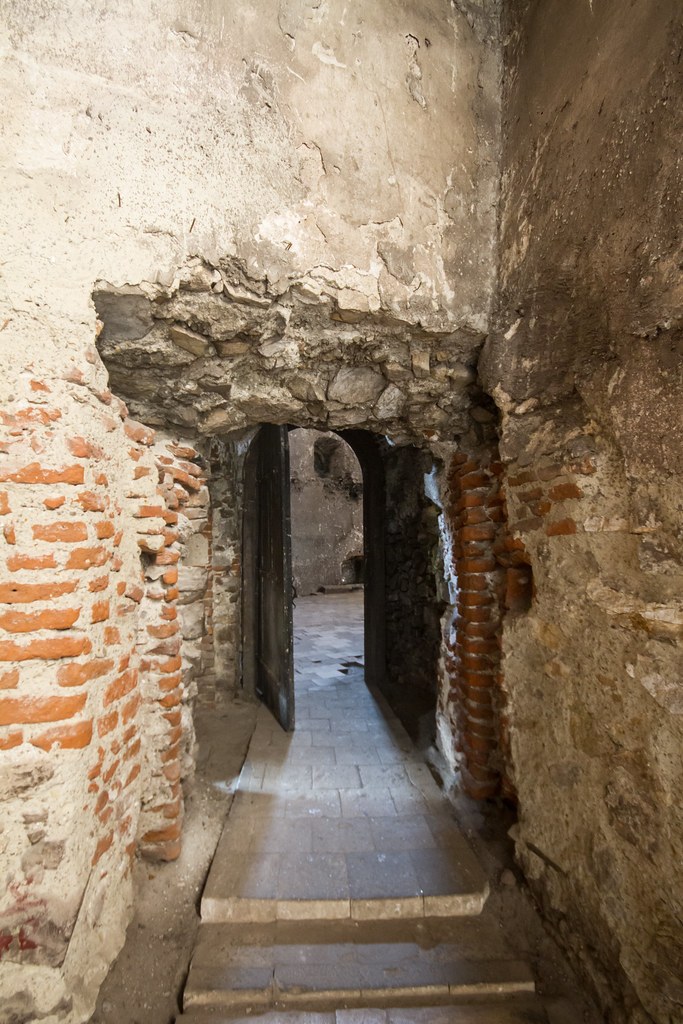
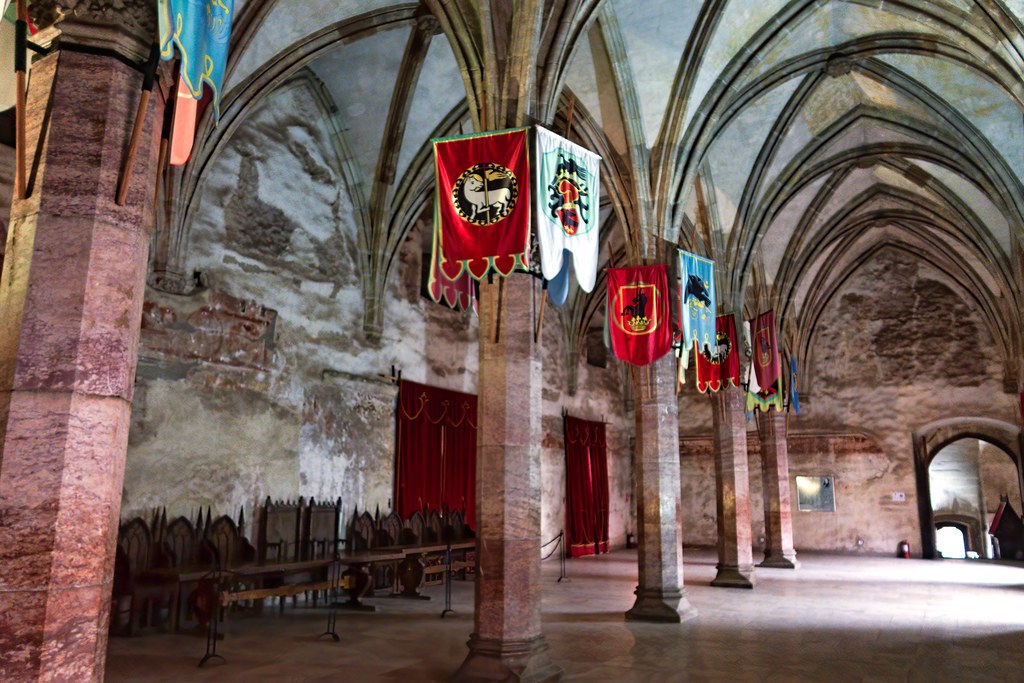
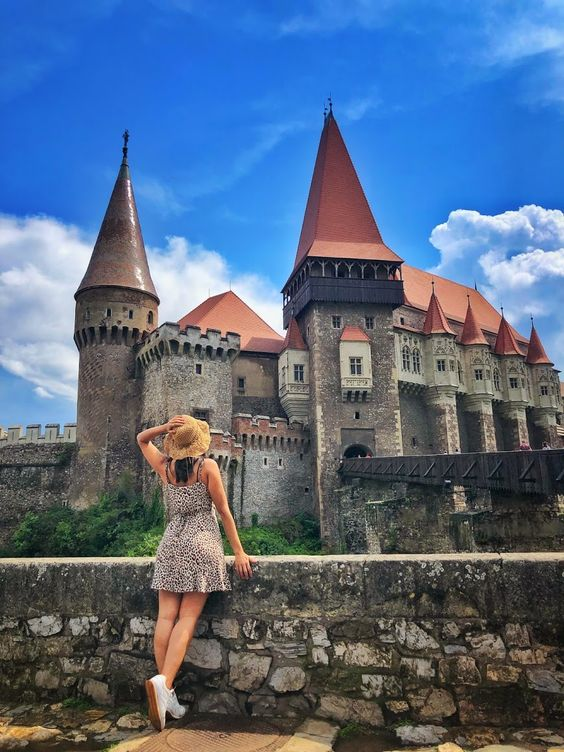
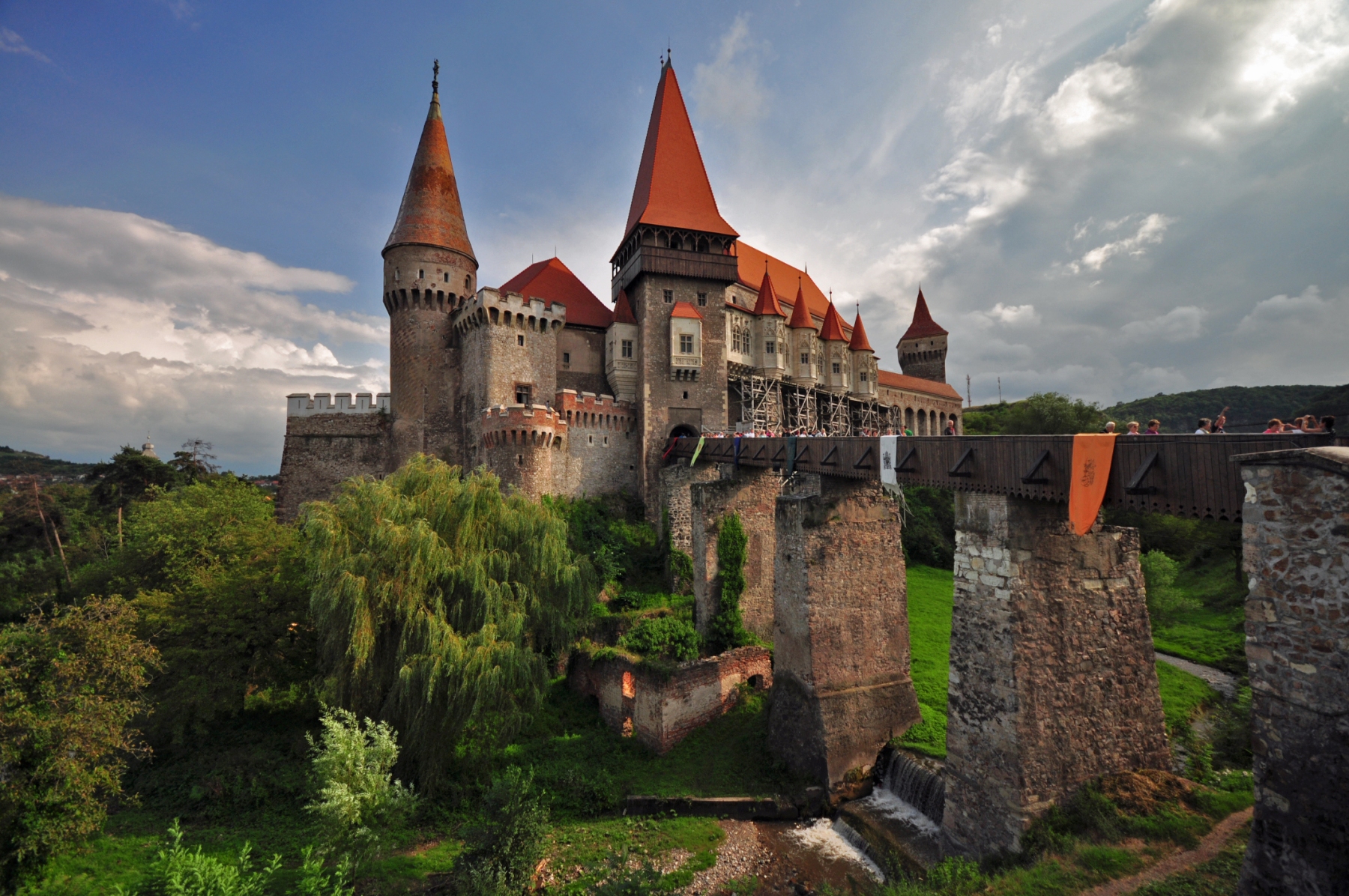

The castle has three large areas: the Knight’s Hall, the Diet Hall and the circular stairway. The halls are rectangular in shape and are decorated with marble. The Diet Hall was used for ceremonies or formal receptions whilst the Knight’s Hall was used for feasts. In 1456, John Hunyadi died and work on the castle stagnated. Starting with 1458, new commissions were being undergone to construct the Matia Wing of the castle. In 1480, work was completely stopped on the castle and it was recognized as being one of the biggest and most impressive buildings in Eastern Europe.
The current castle is the result of a fanciful restoration campaign undertaken after a disastrous fire and many decades of total neglect. It has been noted that modern “architects projected to it their own wistful interpretations of how a great Gothic castle should look”. In 2021 Corvin Castle attracted around 276,000 tourists.


 conquered. This remote hamlet is a breathtaking marvel of nature and human endurance, where life hangs literally on the edge—cliffside homes clinging to slopes that make strong men dizzy and old women chuckle at lowlanders’ trepidation.
 Henri Marie Coandă (Romanian pronunciation: [ɑ̃ˈri ˈko̯andə] (7 June 1886 – 25 November 1972) was a Romanian inventor, aerodynamics pioneer, and builder of an experimental aircraft, the Coandă-1910, which never flew. He invented a great number of devices, designed a “flying saucer” and discovered the Coandă effect of fluid dynamics.


 and Năvodari on the Black Sea. Administered from Agigea, it is an important part of the waterway link between the North Sea and the Black Sea via the Rhine–Main–Danube Canal. The main branch of the canal, with a length of 64.4 km (40.0 mi), which connects the Port of Cernavodă with the Port of Constanța, was built in 1976–1984, while the northern branch, known as the Poarta Albă–Midia Năvodari Canal, with a length of 31.2 km (19.4 mi), connecting Poarta Albă and the Port of Midia, was built between 1983 and 1987.
 Although the idea of building a navigable canal between the Danube and the Black Sea is old, the first concrete attempt was made between 1949 and 1953, when the communist authorities of the time used this opportunity to eliminate political opponents, so the canal became notorious as the site of labor camps, when at any given time, between 5,000 and 20,000 detainees, mostly political prisoners, worked on its excavation. The total number of prisoners used as labor force during this period is unknown, with the total number of deaths being estimated at several tens of thousands. The construction works of the Danube–Black Sea Canal were to be resumed 20 years later, in different conditions.


 George Emil Palade (Fellowship of the Royal Society, Royal Microscopical Society) (Romanian pronunciation: [ˈdʒe̯ordʒe eˈmil paˈlade]; November 19, 1912 – October 7, 2008) was a Romanian-American cell biologist.
 born American writer, professor, political activist, Nobel laureate, and Holocaust survivor. He authored 57 books, written mostly in French and English, including Night, a work based on his experiences as a Jewish prisoner in the Auschwitz and Buchenwald concentration camps.
 Herta Müller (born 17 August 1953) is a Romanian-born German novelist, poet and essayist noted for her works depicting the harsh conditions of life in Communist Romania under the repressive Nicolae Ceauşescu regime, the history of the Germans in the Banat (and more broadly, Transylvania), and the persecution of Romanian ethnic Germans by Stalinist Soviet occupying forces in Romania. Müller has been an internationally well-known author since the early 1990s, and her works have been translated into more than 20 languages. She has received over 20 awards, including the 1998 International IMPAC Dublin Literary Award. On 8 October 2009, it was announced she would be awarded the 2009 Nobel Prize in Literature.
 Sciences in Göttingen, and of the Max Planck Institute for Medical Research in Heidelberg, both of which are in Germany. He received the Nobel Prize in Chemistry in 2014 “for the development of super-resolved fluorescence microscopy”, together with Eric Betzig and William Moerner.


