Let’s plan your production in Romania.
Tell us about your project, your intended shooting dates and the support you need in Romania. We work exclusively with international producers, agencies and crews.
Get in touch
Email
info @ filmproductionromania.com
Phone
+40 723 107 821
+40 775 176 946
WhatsApp
Message us on WhatsApp
Based in Bucharest. Supporting productions across Romania.
What to include in your brief
- Production type and a short project description
- Proposed filming dates and number of shooting days
- Locations or settings you are looking for
- Crew, equipment and logistical requirements
- Indicative budget, if available
PLANNING A SHOOT IN ROMANIA?
What support can you provide for filming in Romania?
We provide production services, film fixing and location scouting for international producers, agencies and crews. Depending on your brief, we can coordinate local crew, equipment, transport, accommodation, research and practical production support.
Can you support just part of our production?
Yes. You can involve us for specific local requirements or broader production coordination. We define our responsibilities around your team, schedule and the support you need in Romania.
Can you help us find locations and arrange filming permissions?
Yes. We research locations, prepare photographic surveys and coordinate technical recces. We can also help with filming permission requests and documentation. Access, conditions and approval times depend on the location and the relevant owners or authorities.
Do you work outside Bucharest?
Yes. We are based in Bucharest and support international productions across Romania. Travel and local arrangements are planned according to your locations and shooting schedule.
What information do you need to prepare an estimate?
Send us a short project description, proposed filming dates, expected shooting days, location requirements and any crew, equipment or logistical needs. An indicative budget is helpful if available. Email info@filmproductionromania.com, and we can clarify the scope and prepare an estimate.


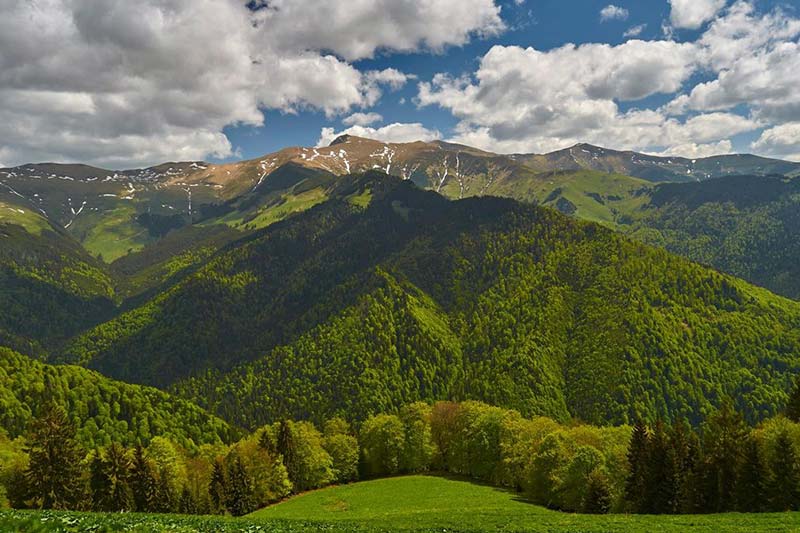

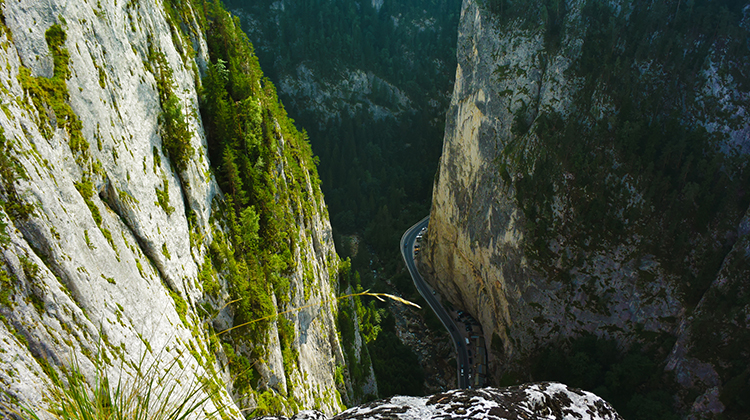





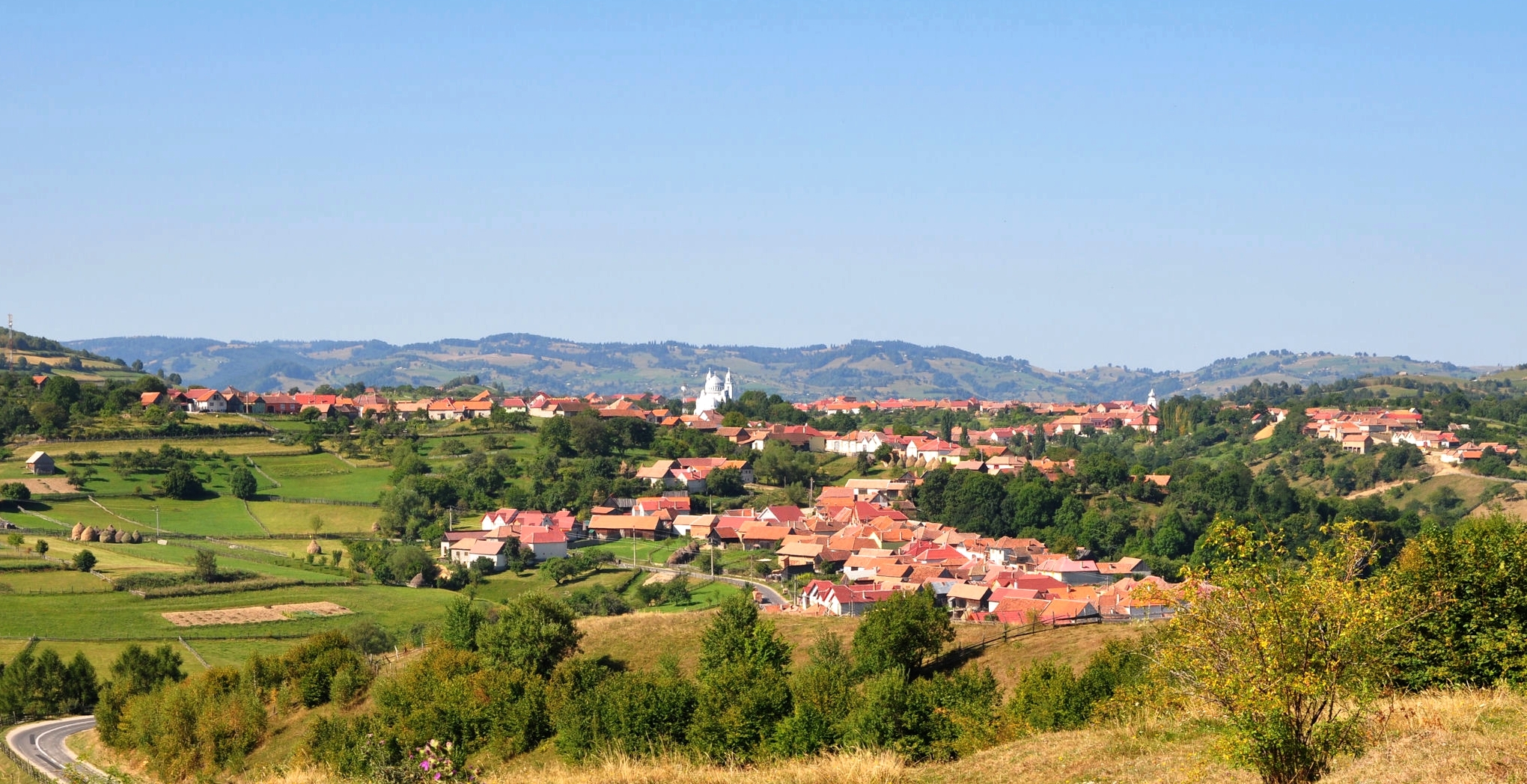
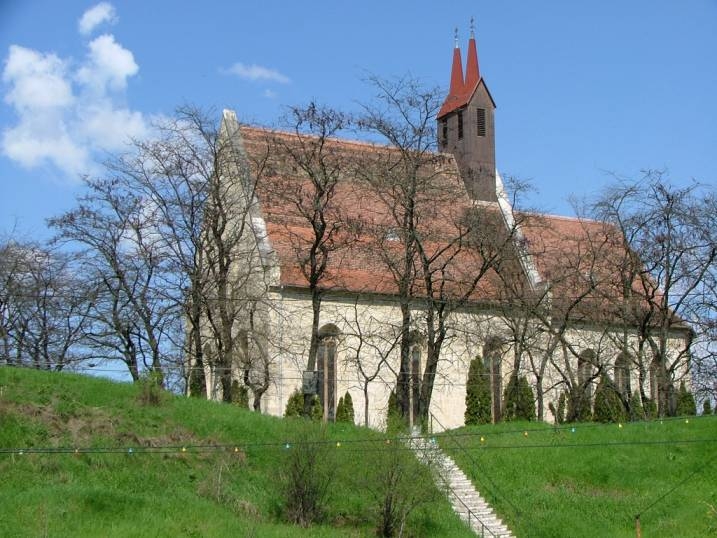
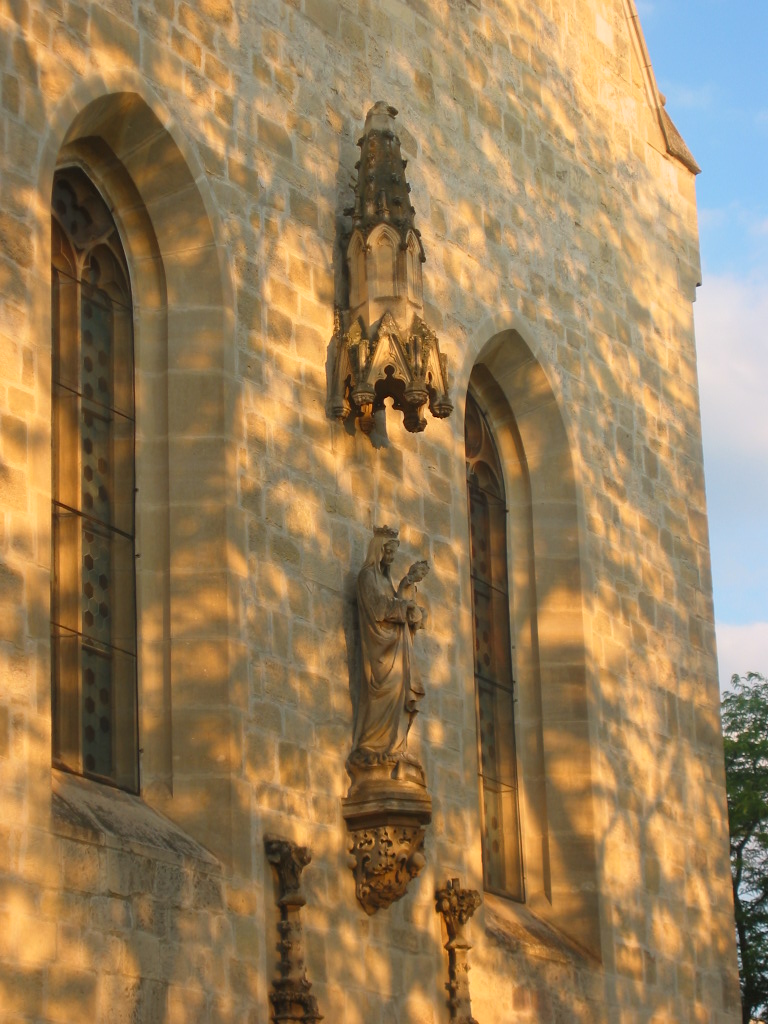

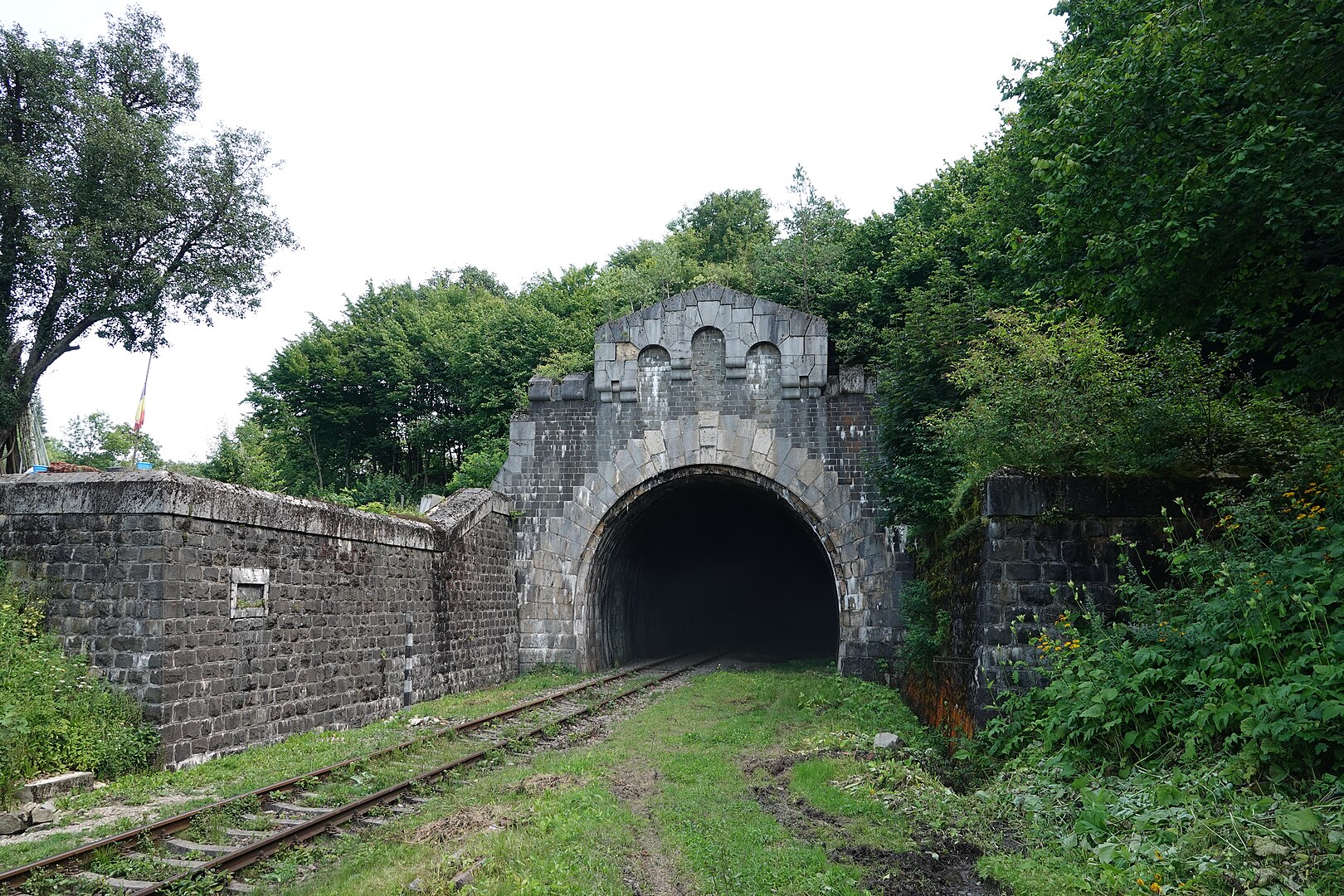
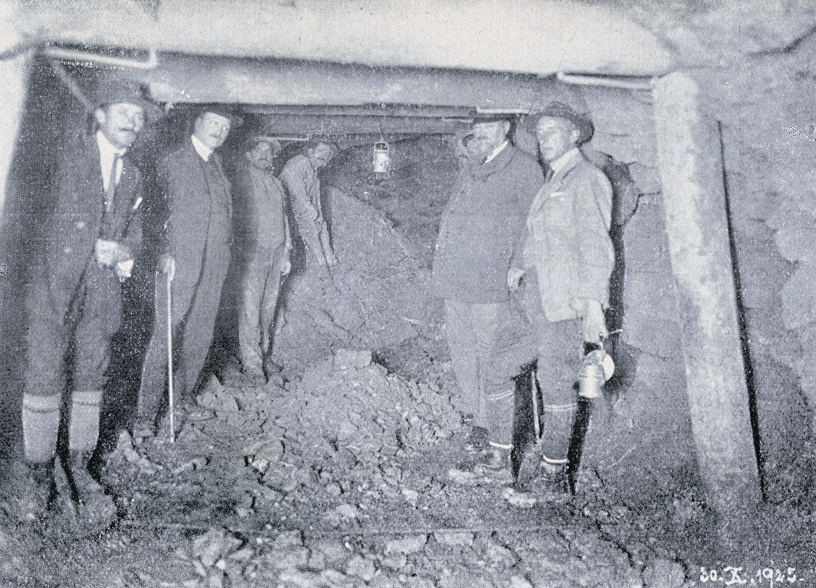







 conquered. This remote hamlet is a breathtaking marvel of nature and human endurance, where life hangs literally on the edge—cliffside homes clinging to slopes that make strong men dizzy and old women chuckle at lowlanders’ trepidation.
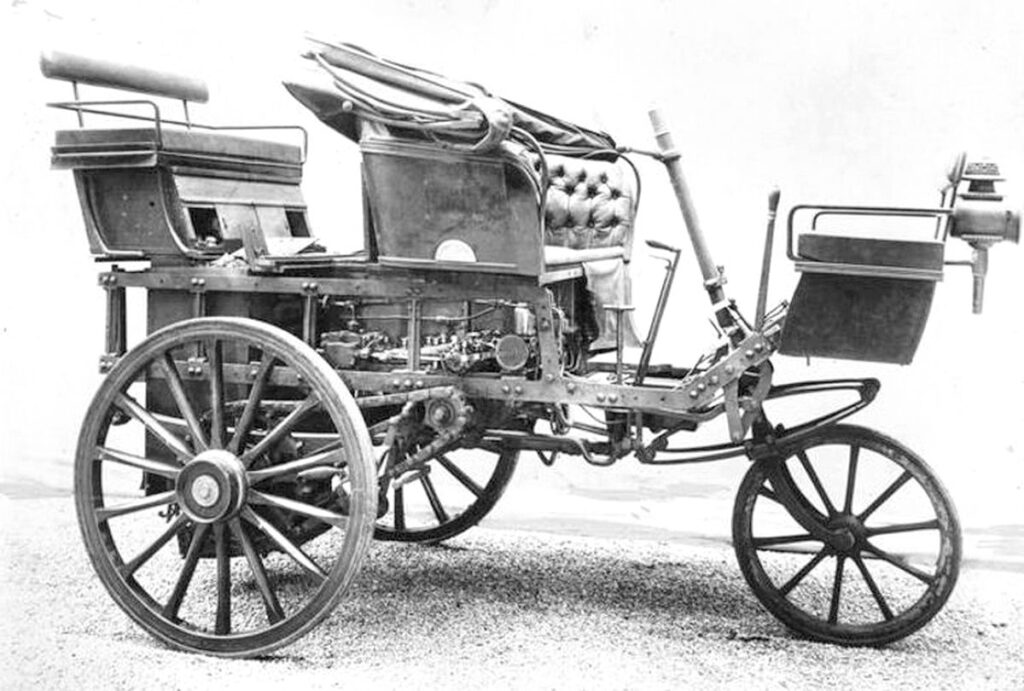
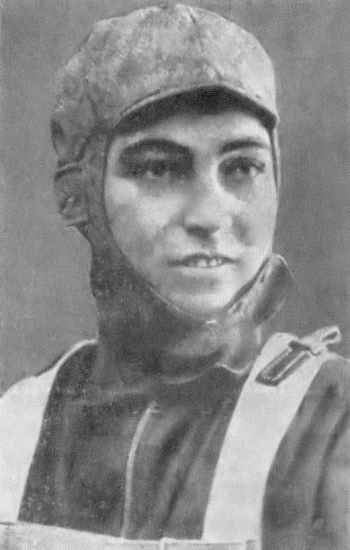
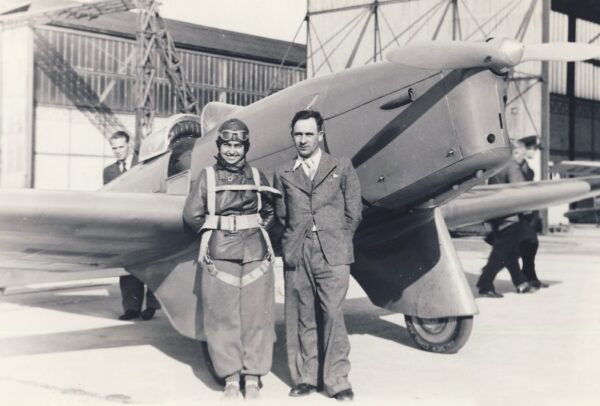
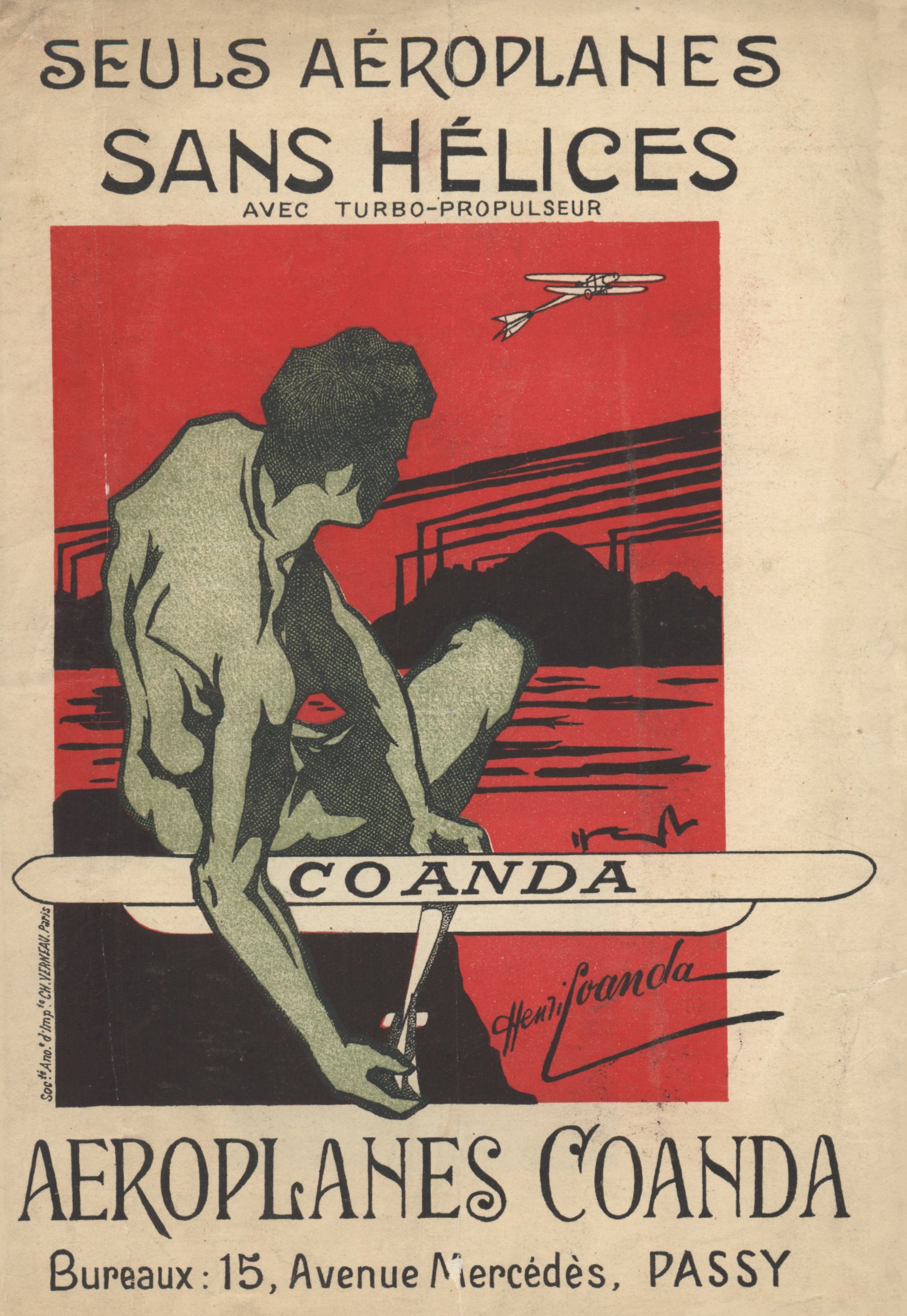
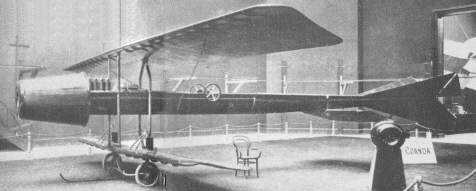
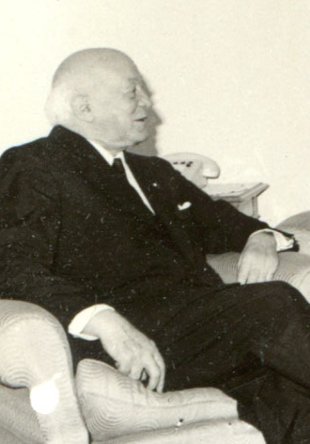 Henri Marie Coandă (Romanian pronunciation: [ɑ̃ˈri ˈko̯andə] (7 June 1886 – 25 November 1972) was a Romanian inventor, aerodynamics pioneer, and builder of an experimental aircraft, the Coandă-1910, which never flew. He invented a great number of devices, designed a “flying saucer” and discovered the Coandă effect of fluid dynamics.





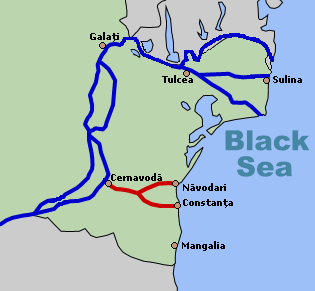
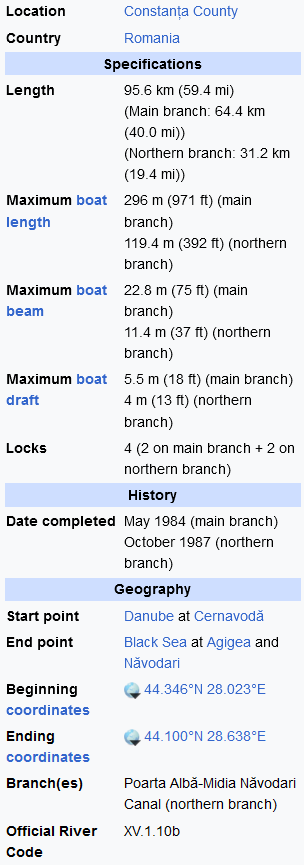 and Năvodari on the Black Sea. Administered from Agigea, it is an important part of the waterway link between the North Sea and the Black Sea via the Rhine–Main–Danube Canal. The main branch of the canal, with a length of 64.4 km (40.0 mi), which connects the Port of Cernavodă with the Port of Constanța, was built in 1976–1984, while the northern branch, known as the Poarta Albă–Midia Năvodari Canal, with a length of 31.2 km (19.4 mi), connecting Poarta Albă and the Port of Midia, was built between 1983 and 1987.
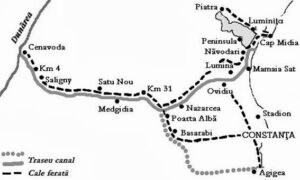 Although the idea of building a navigable canal between the Danube and the Black Sea is old, the first concrete attempt was made between 1949 and 1953, when the communist authorities of the time used this opportunity to eliminate political opponents, so the canal became notorious as the site of labor camps, when at any given time, between 5,000 and 20,000 detainees, mostly political prisoners, worked on its excavation. The total number of prisoners used as labor force during this period is unknown, with the total number of deaths being estimated at several tens of thousands. The construction works of the Danube–Black Sea Canal were to be resumed 20 years later, in different conditions.


 George Emil Palade (Fellowship of the Royal Society, Royal Microscopical Society) (Romanian pronunciation: [ˈdʒe̯ordʒe eˈmil paˈlade]; November 19, 1912 – October 7, 2008) was a Romanian-American cell biologist.
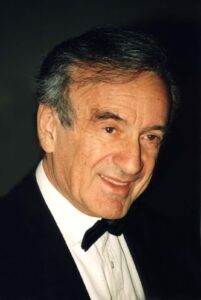 born American writer, professor, political activist, Nobel laureate, and Holocaust survivor. He authored 57 books, written mostly in French and English, including Night, a work based on his experiences as a Jewish prisoner in the Auschwitz and Buchenwald concentration camps.
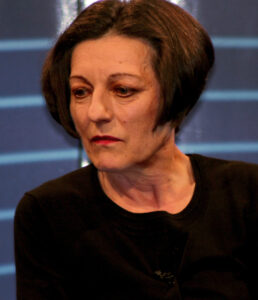 Herta Müller (born 17 August 1953) is a Romanian-born German novelist, poet and essayist noted for her works depicting the harsh conditions of life in Communist Romania under the repressive Nicolae Ceauşescu regime, the history of the Germans in the Banat (and more broadly, Transylvania), and the persecution of Romanian ethnic Germans by Stalinist Soviet occupying forces in Romania. Müller has been an internationally well-known author since the early 1990s, and her works have been translated into more than 20 languages. She has received over 20 awards, including the 1998 International IMPAC Dublin Literary Award. On 8 October 2009, it was announced she would be awarded the 2009 Nobel Prize in Literature.
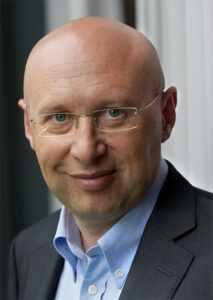 Sciences in Göttingen, and of the Max Planck Institute for Medical Research in Heidelberg, both of which are in Germany. He received the Nobel Prize in Chemistry in 2014 “for the development of super-resolved fluorescence microscopy”, together with Eric Betzig and William Moerner.