Cookie Policy
Last updated: 2 November 2026
About this policy
This policy explains how cookies and similar technologies are used on filmproductionromania.com, including our blog and Film Scout Romania service pages.
The website is operated by TELEDEME SRL, CUI 44536192, company registration number J23/4095/2021, registered at Gradinarilor 12, Izvorani, 077051, Ilfov, Romania.
Contact: info@filmproductionromania.com
What cookies do
Cookies are small files stored on your device. Similar technologies, including browser storage, may remember choices or support website features.
Some are necessary to provide a service you request. Others support optional preferences, audience measurement or third-party content.
Session cookies normally expire when you close your browser. Persistent cookies remain until their expiry date or until you delete them.
Cookie categories
Strictly necessary
These support essential functions such as security, consent recording and authenticated administration.
Preferences
These remember optional settings or choices beyond essential website functions.
Statistics
These measure website use and performance, where audience measurement tools are enabled.
External content and marketing
Embedded services, including YouTube video players, may use cookies or similar technologies to deliver content, measure interactions or support advertising-related purposes.
These providers may process information under their own privacy and cookie policies.
Embedded YouTube videos
Our website uses YouTube embeds, including the video displayed in the homepage hero and videos accompanying selected productions.
Connecting to YouTube may transmit technical information, such as your IP address and browser details, to Google. Playback may involve additional processing by that provider.
For further information, see Google’s Privacy Policy and information about Google cookies.
Your choices
Non-essential technologies require your consent before activation where required by applicable law.
Use the website’s consent settings to accept, reject or adjust optional categories. You can reopen those settings to change or withdraw your choices.
Rejecting optional technologies may prevent embedded videos or other external features from loading.
You can also delete or block cookies through your browser settings. Deleting consent cookies may cause the website to ask for your preferences again.
Withdrawing consent does not affect the lawfulness of processing carried out before withdrawal.
Cookie details
The cookie inventory available through the consent settings identifies the cookies and similar technologies detected on the website, including their providers, purposes and duration where available.
The inventory may change when website features or external services change.
External links
Following a link to YouTube, WhatsApp, a social network or another external website opens a service governed by its own policies and controls.
Further information
Our Privacy Policy explains how TELEDEME SRL handles personal information and how to exercise your rights.
For questions about this policy, contact info@filmproductionromania.com.
Updates
We may update this policy to reflect changes to website features, external services or applicable requirements. The latest version will appear on this page.

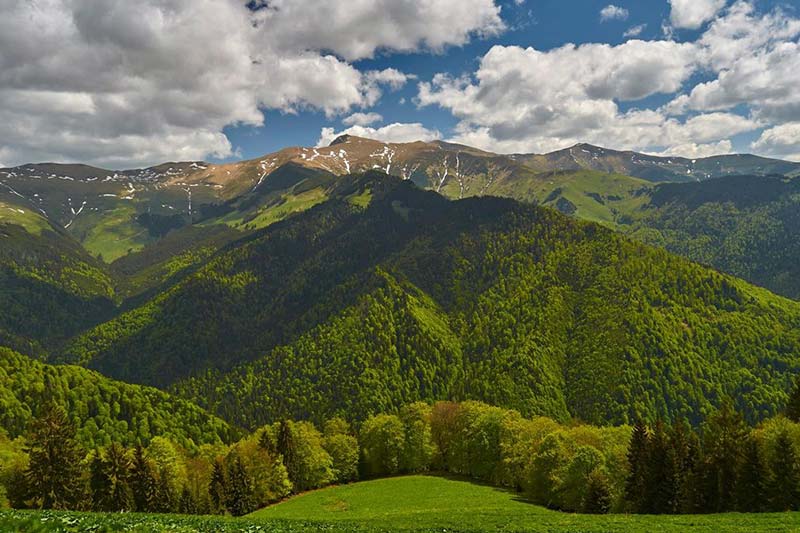







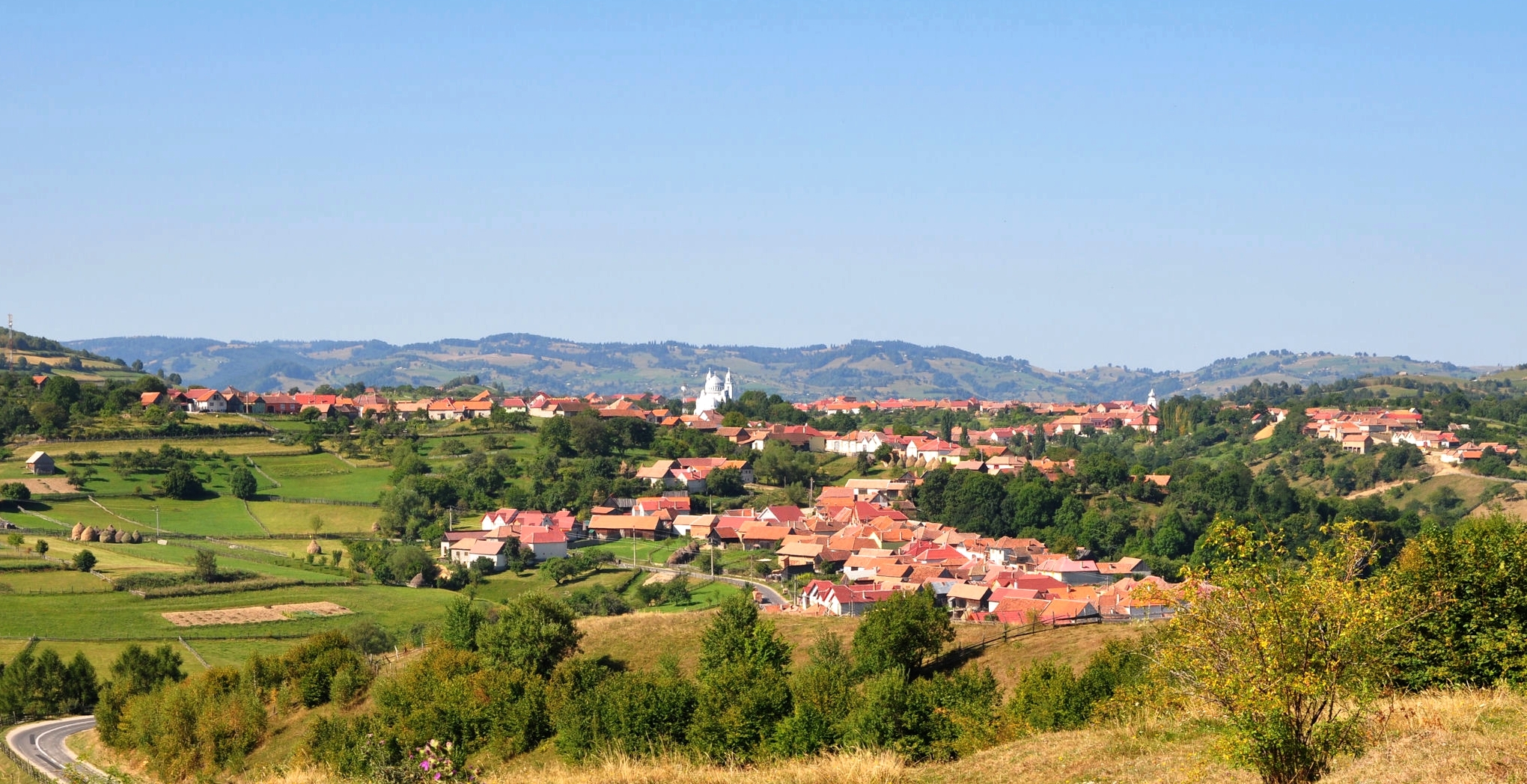
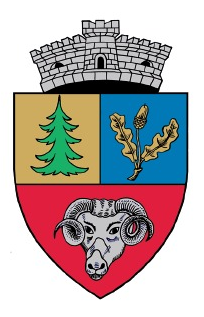
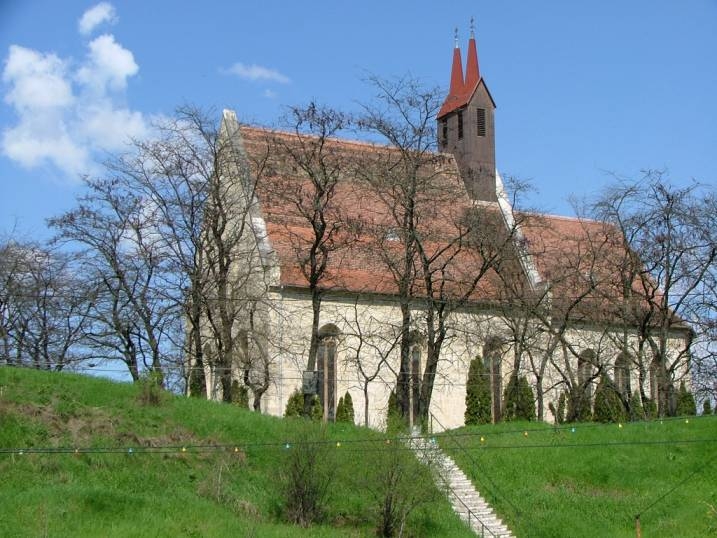
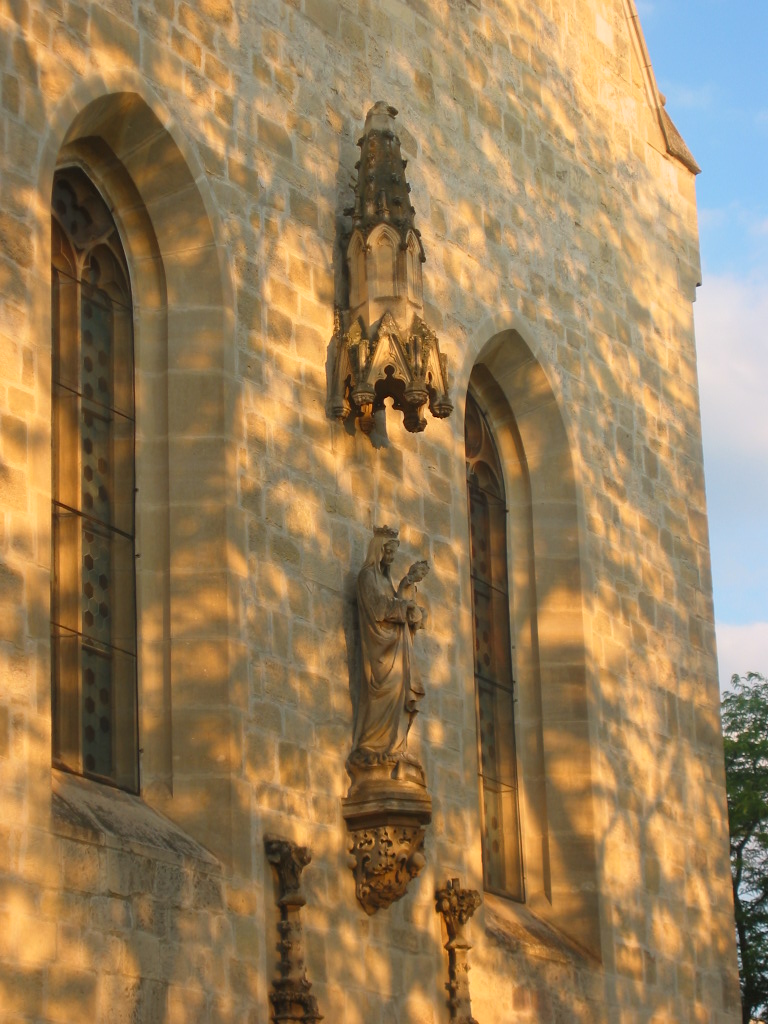

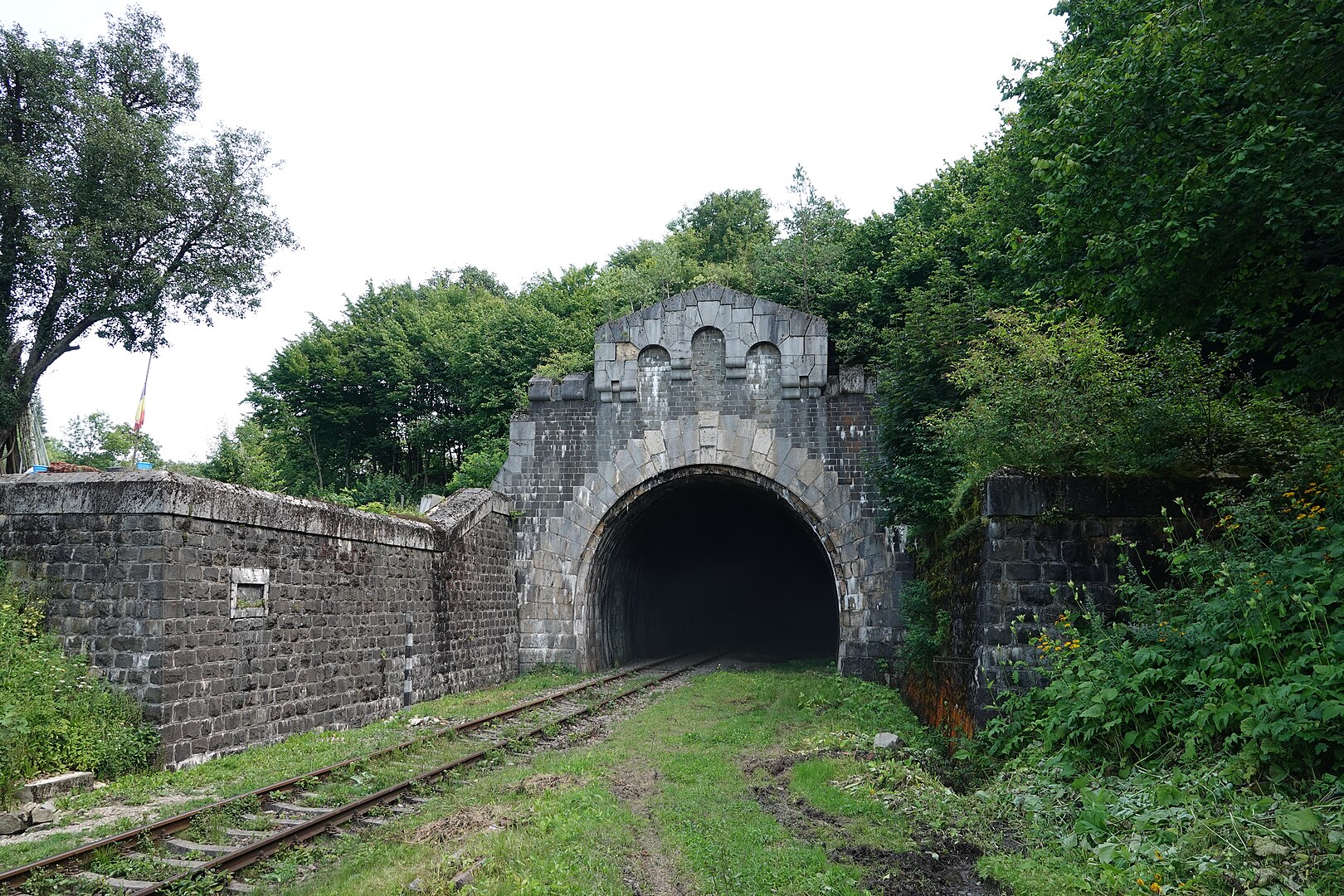
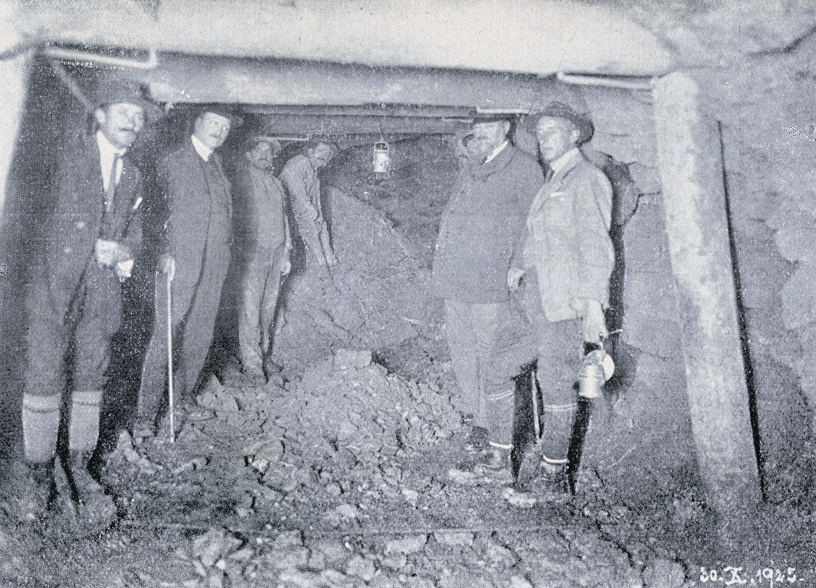

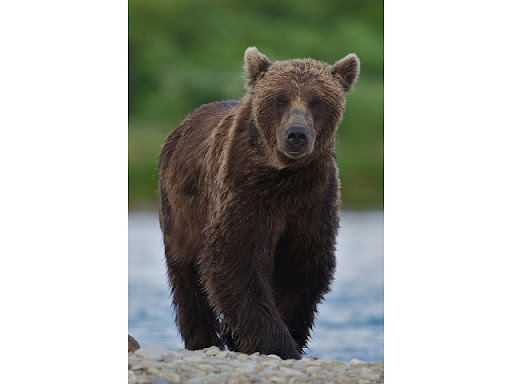


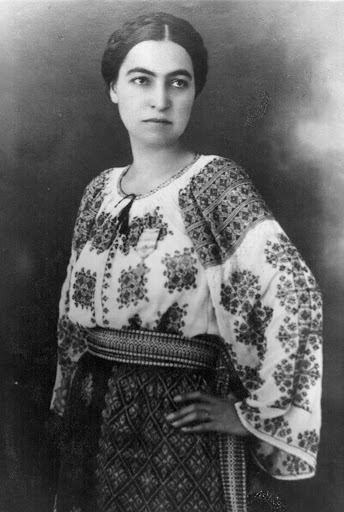


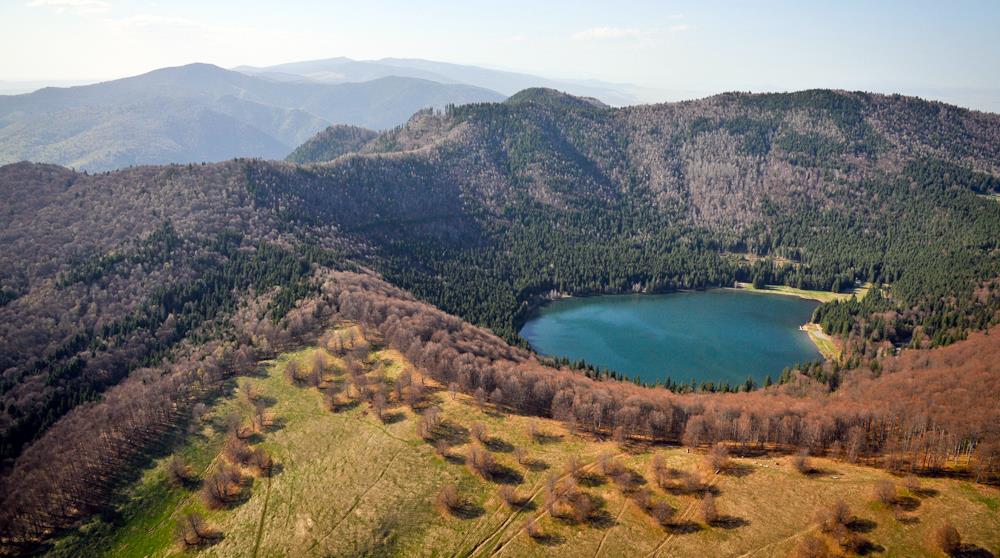

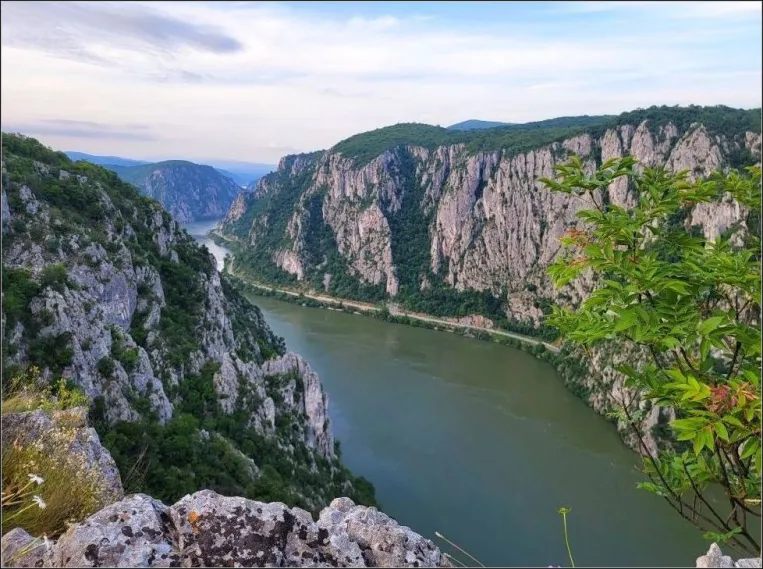


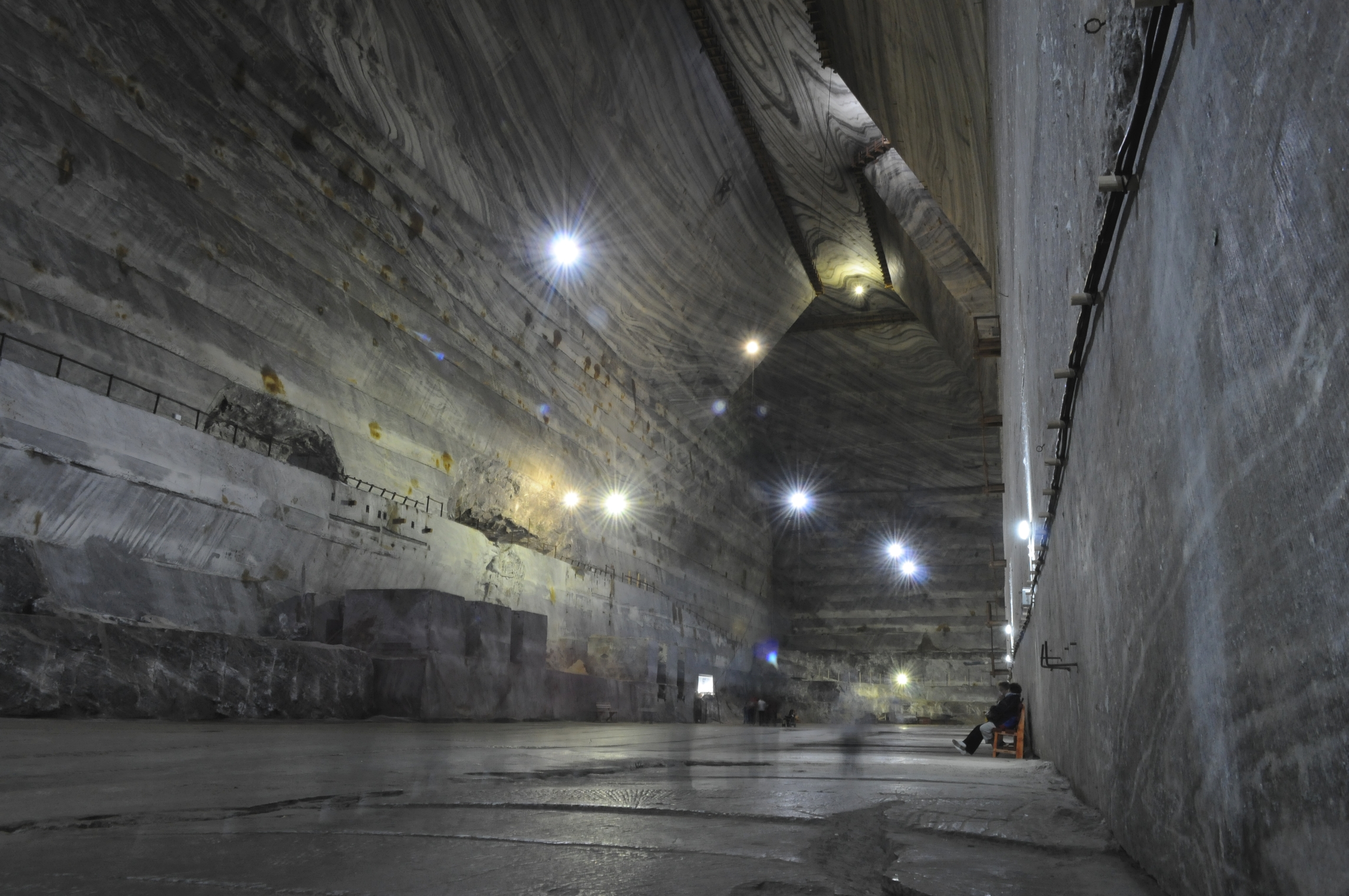
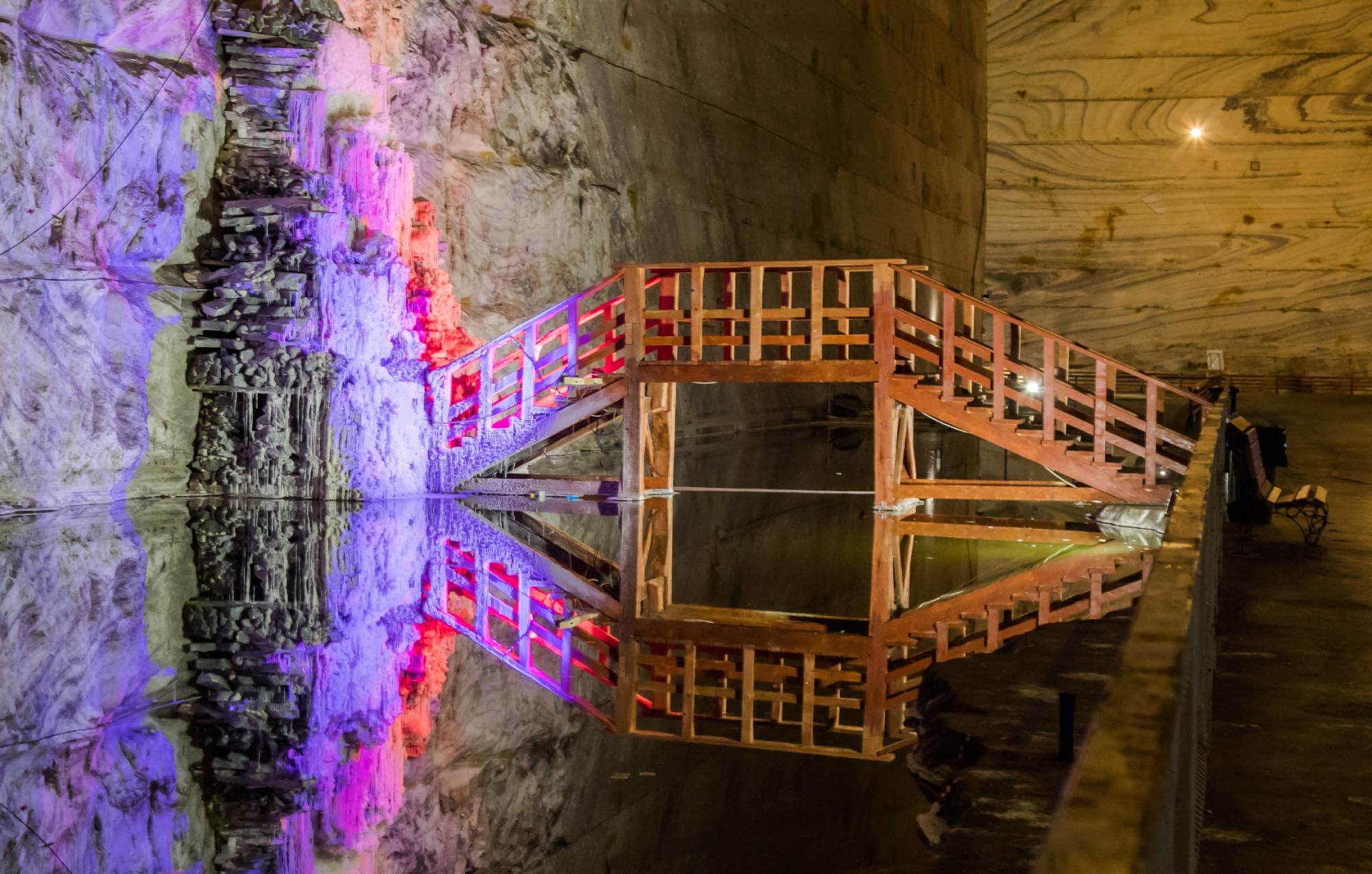



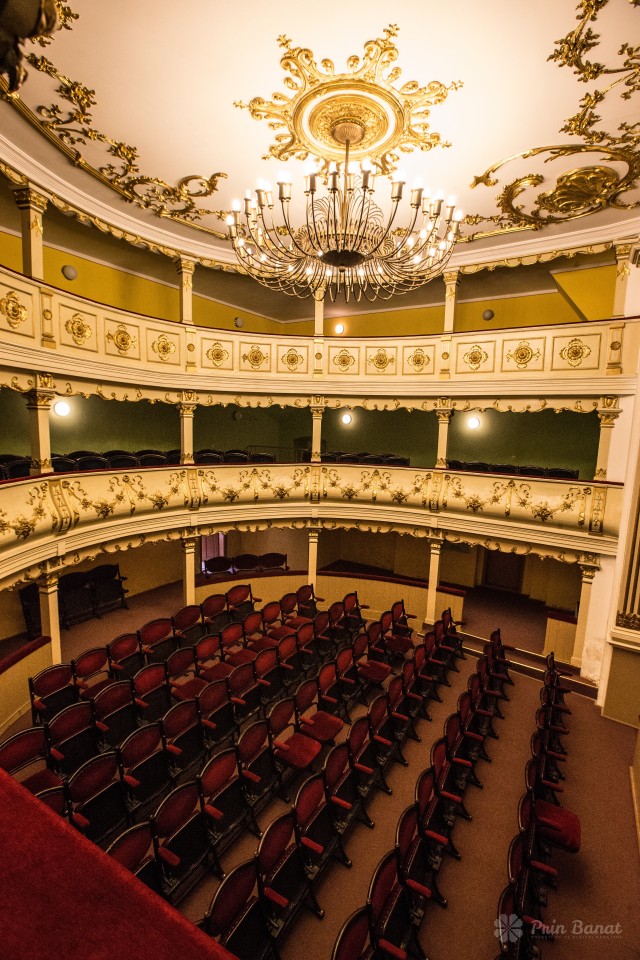
 conquered. This remote hamlet is a breathtaking marvel of nature and human endurance, where life hangs literally on the edge—cliffside homes clinging to slopes that make strong men dizzy and old women chuckle at lowlanders’ trepidation.
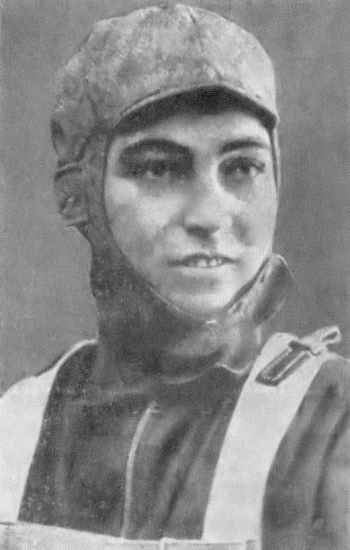
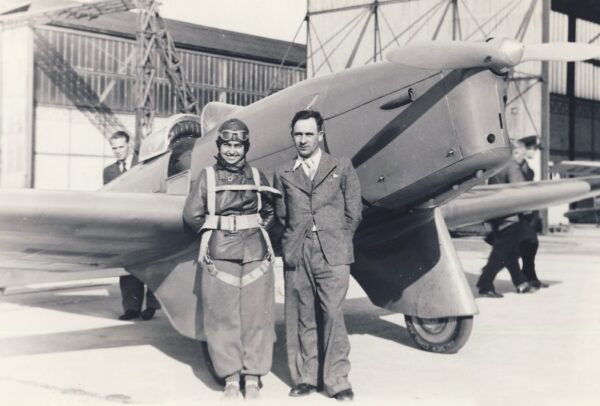
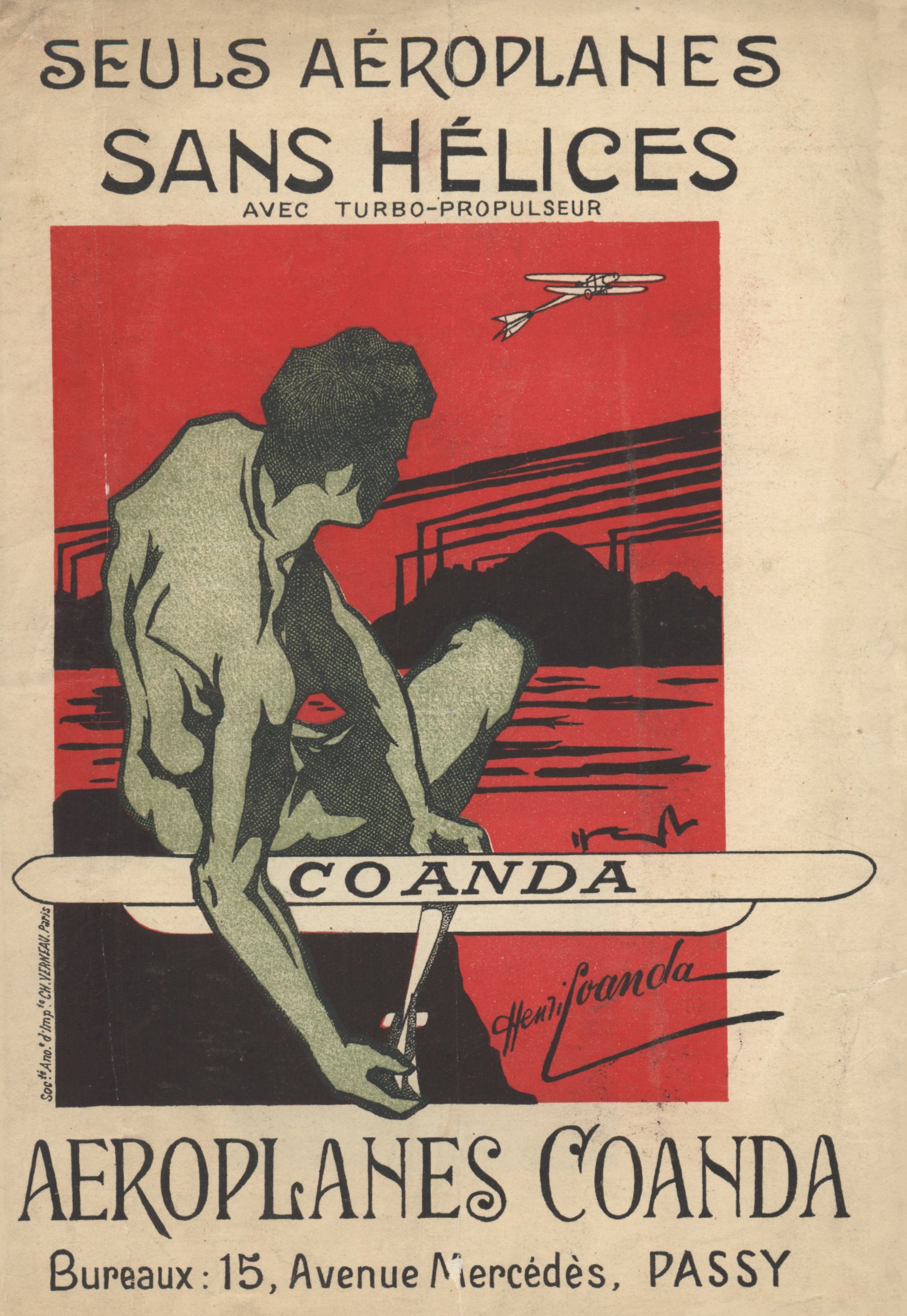
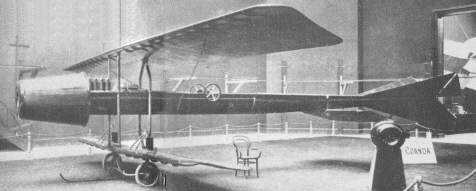
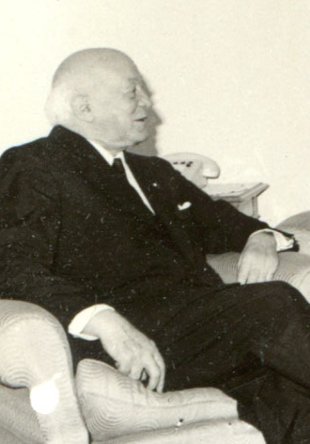 Henri Marie Coandă (Romanian pronunciation: [ɑ̃ˈri ˈko̯andə] (7 June 1886 – 25 November 1972) was a Romanian inventor, aerodynamics pioneer, and builder of an experimental aircraft, the Coandă-1910, which never flew. He invented a great number of devices, designed a “flying saucer” and discovered the Coandă effect of fluid dynamics.





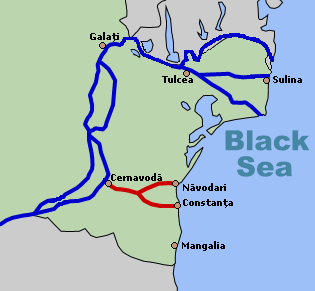
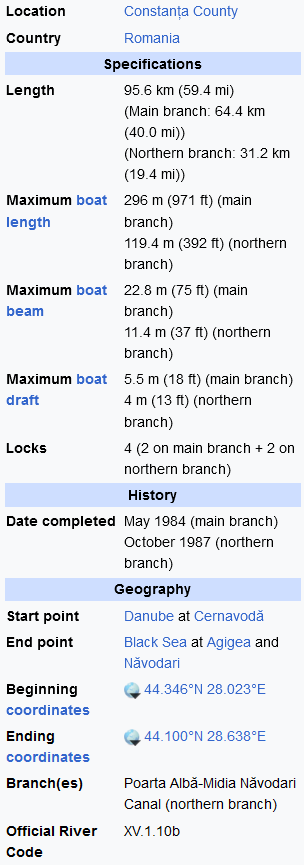 and Năvodari on the Black Sea. Administered from Agigea, it is an important part of the waterway link between the North Sea and the Black Sea via the Rhine–Main–Danube Canal. The main branch of the canal, with a length of 64.4 km (40.0 mi), which connects the Port of Cernavodă with the Port of Constanța, was built in 1976–1984, while the northern branch, known as the Poarta Albă–Midia Năvodari Canal, with a length of 31.2 km (19.4 mi), connecting Poarta Albă and the Port of Midia, was built between 1983 and 1987.
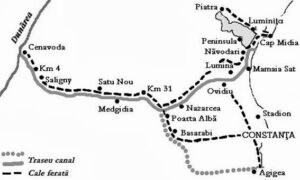 Although the idea of building a navigable canal between the Danube and the Black Sea is old, the first concrete attempt was made between 1949 and 1953, when the communist authorities of the time used this opportunity to eliminate political opponents, so the canal became notorious as the site of labor camps, when at any given time, between 5,000 and 20,000 detainees, mostly political prisoners, worked on its excavation. The total number of prisoners used as labor force during this period is unknown, with the total number of deaths being estimated at several tens of thousands. The construction works of the Danube–Black Sea Canal were to be resumed 20 years later, in different conditions.


 George Emil Palade (Fellowship of the Royal Society, Royal Microscopical Society) (Romanian pronunciation: [ˈdʒe̯ordʒe eˈmil paˈlade]; November 19, 1912 – October 7, 2008) was a Romanian-American cell biologist.
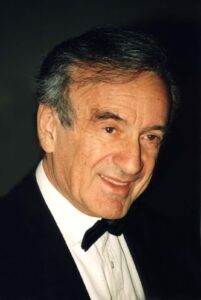 born American writer, professor, political activist, Nobel laureate, and Holocaust survivor. He authored 57 books, written mostly in French and English, including Night, a work based on his experiences as a Jewish prisoner in the Auschwitz and Buchenwald concentration camps.
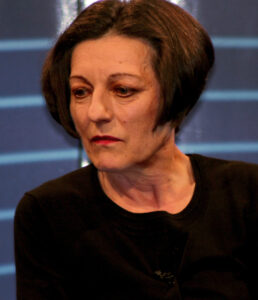 Herta Müller (born 17 August 1953) is a Romanian-born German novelist, poet and essayist noted for her works depicting the harsh conditions of life in Communist Romania under the repressive Nicolae Ceauşescu regime, the history of the Germans in the Banat (and more broadly, Transylvania), and the persecution of Romanian ethnic Germans by Stalinist Soviet occupying forces in Romania. Müller has been an internationally well-known author since the early 1990s, and her works have been translated into more than 20 languages. She has received over 20 awards, including the 1998 International IMPAC Dublin Literary Award. On 8 October 2009, it was announced she would be awarded the 2009 Nobel Prize in Literature.
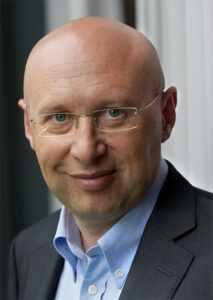 Sciences in Göttingen, and of the Max Planck Institute for Medical Research in Heidelberg, both of which are in Germany. He received the Nobel Prize in Chemistry in 2014 “for the development of super-resolved fluorescence microscopy”, together with Eric Betzig and William Moerner.