Romania: The Stories
Discover Romania through ten short videos exploring places, people, inventions and unexpected stories.
Created by Film Scout Romania, the series looks beyond familiar landmarks to introduce lesser-known aspects of the country, from natural landscapes and architectural details to cultural heritage and ideas.
Originally shared through a QR code linking to a new weekly edition, all ten episodes are now collected here to explore at your own pace.
Watch the series below, then visit each episode’s page for additional information about its featured subjects.
-

Edition 1
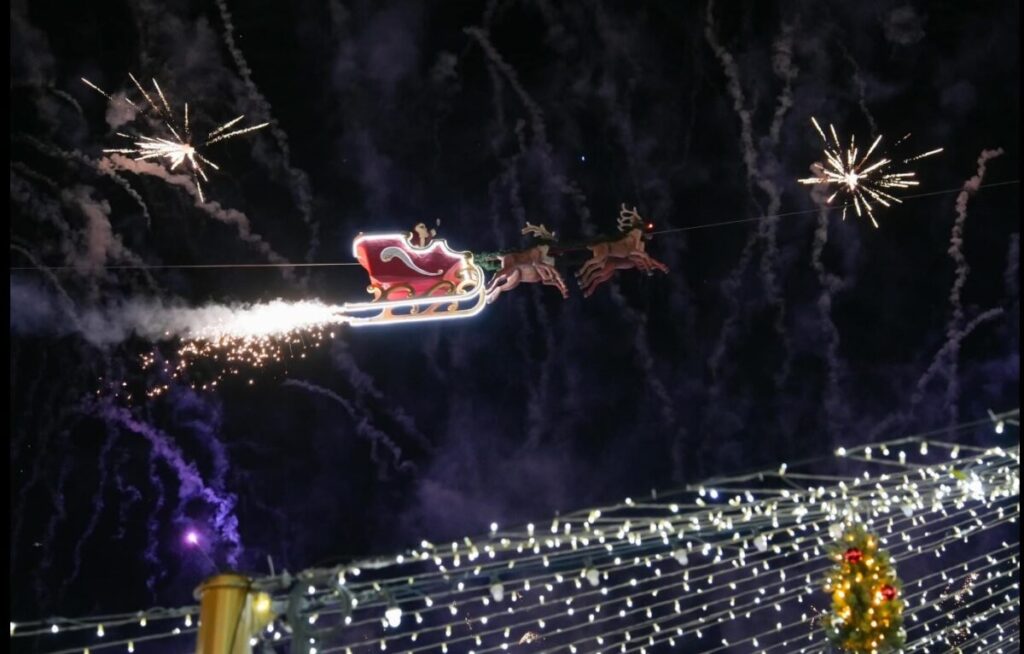
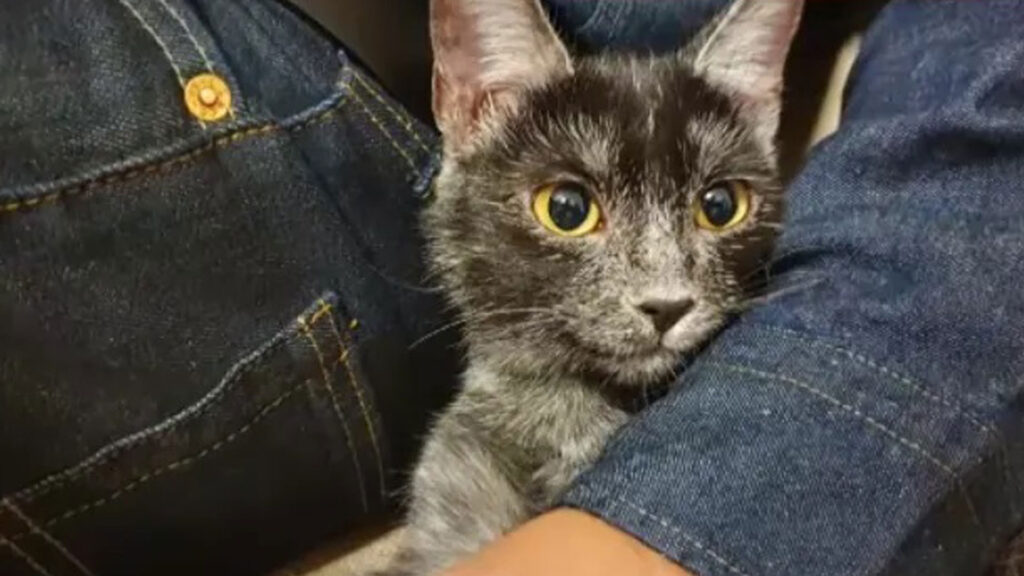
Explore Craiova’s Christmas Market 2024, discover Romanian papanași, listen to Subcarpați and meet the Transylvanian cat in the first episode of Romania: The Stories.
-
Edition 2
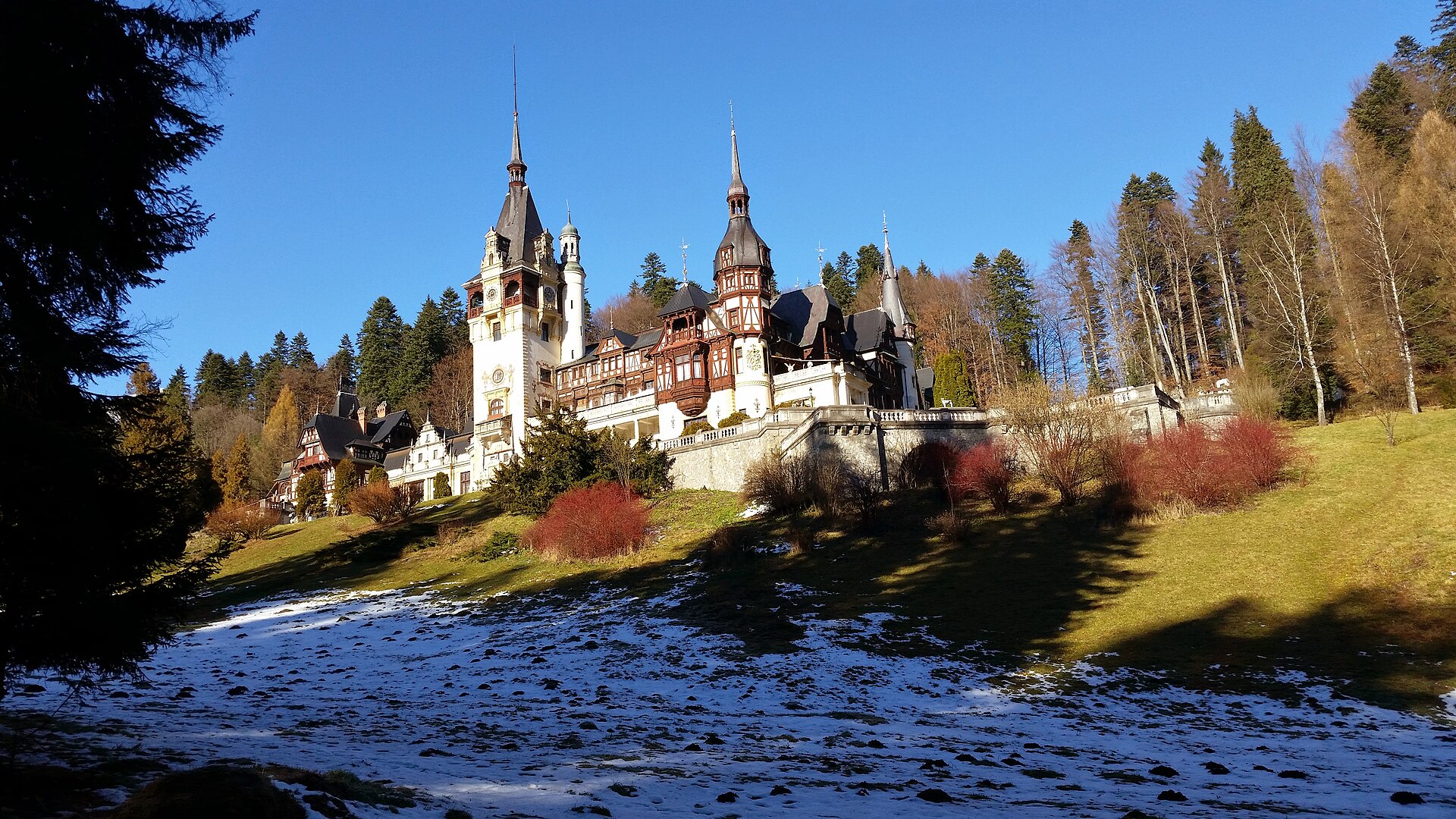
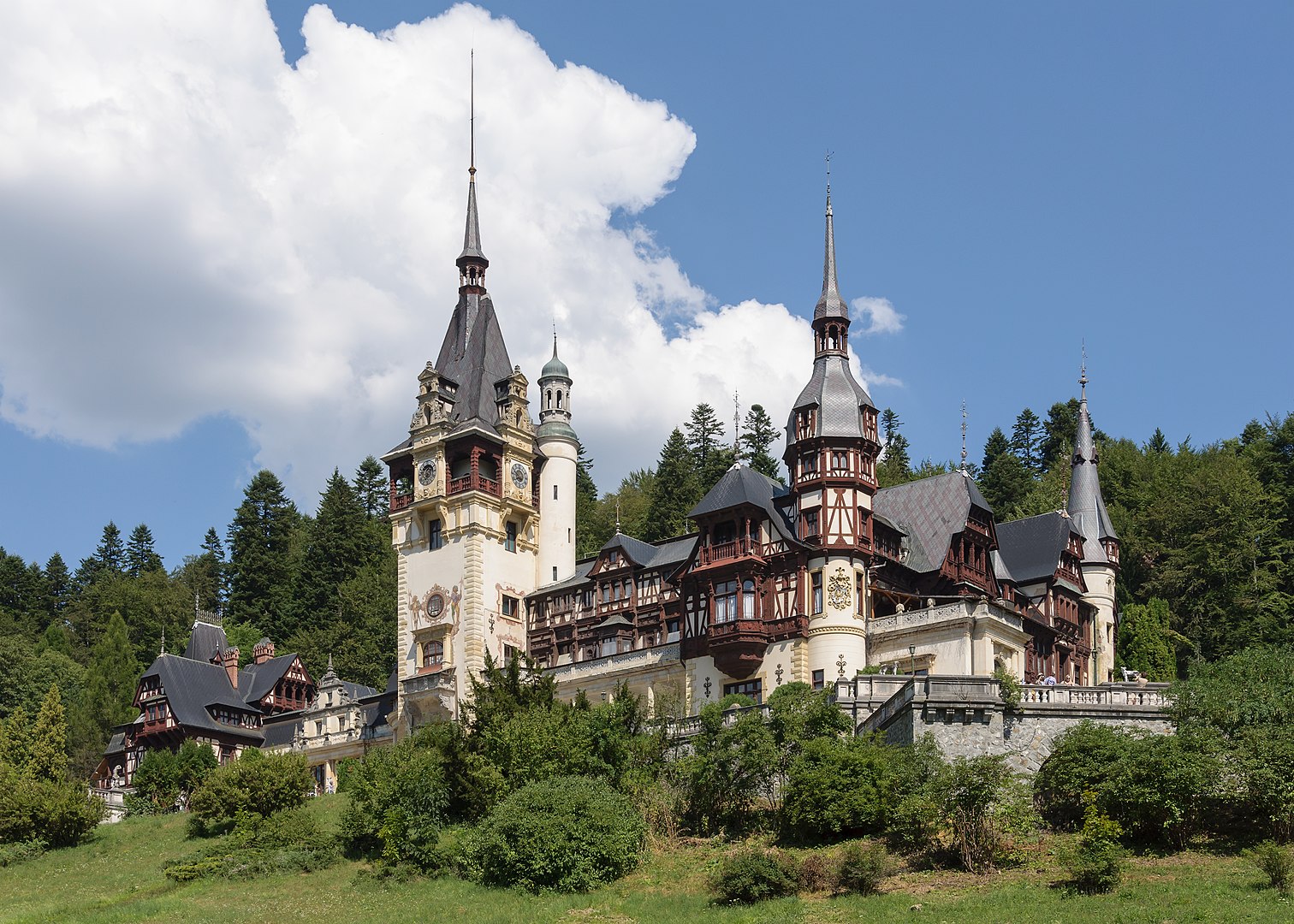
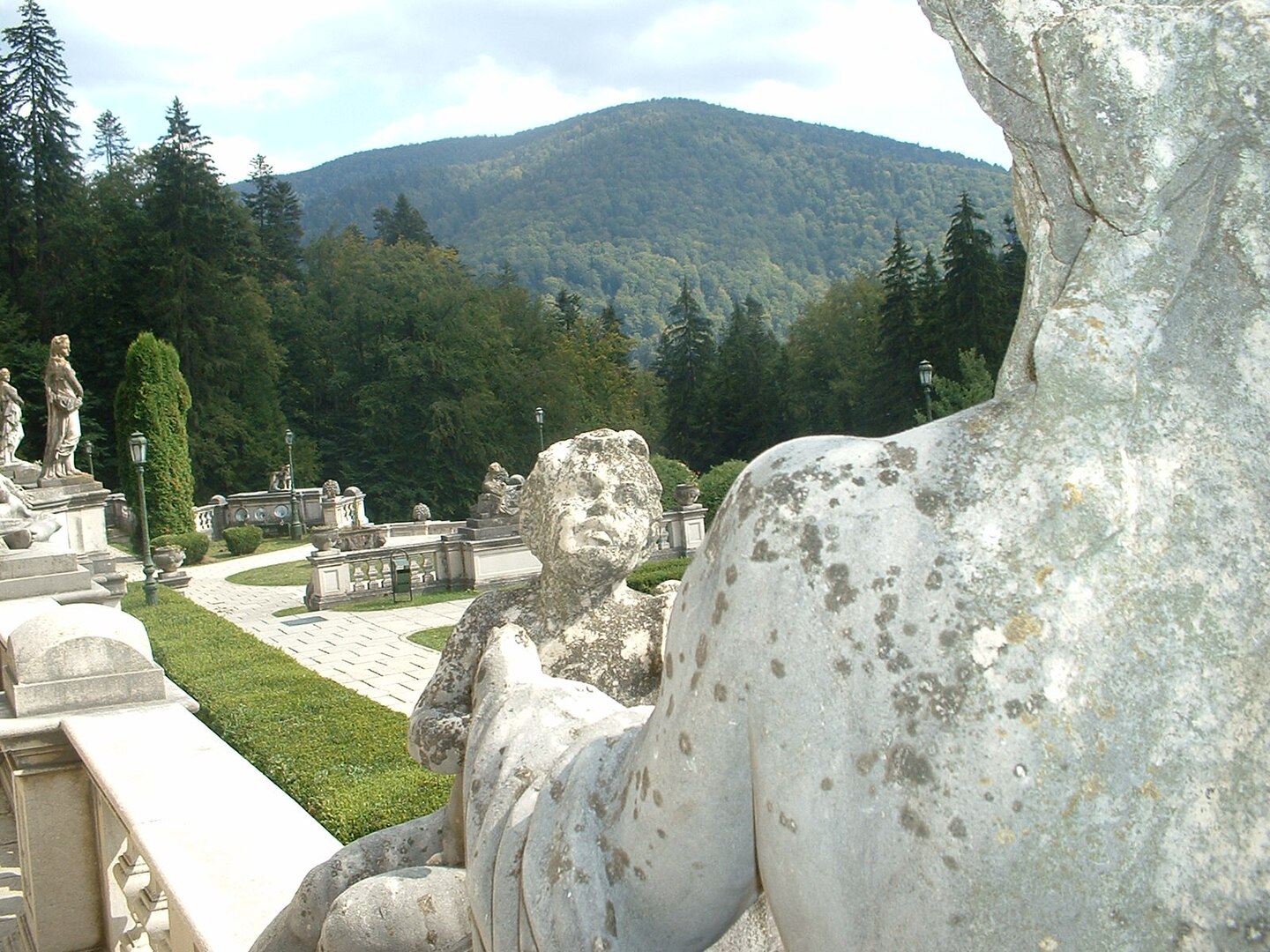
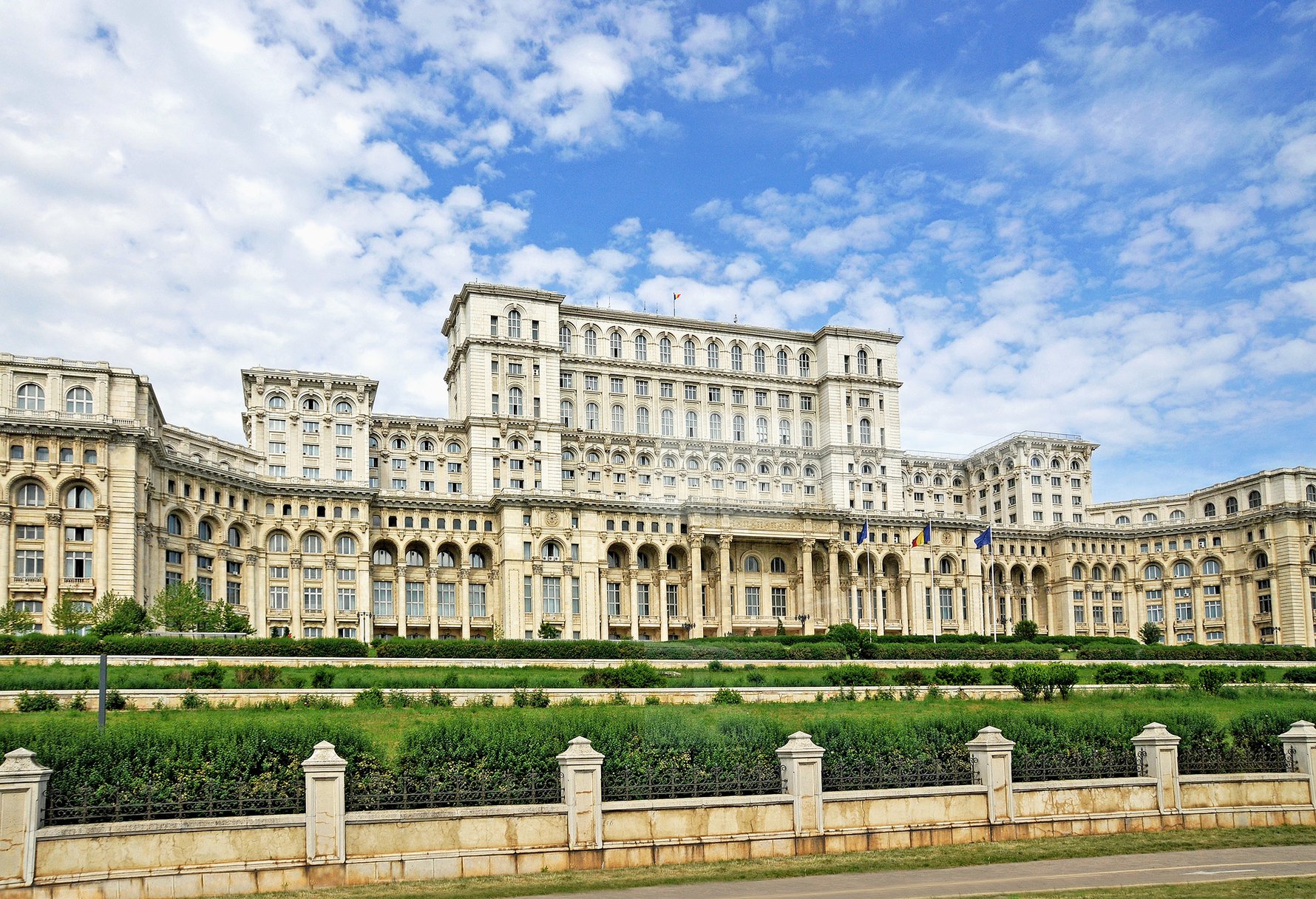
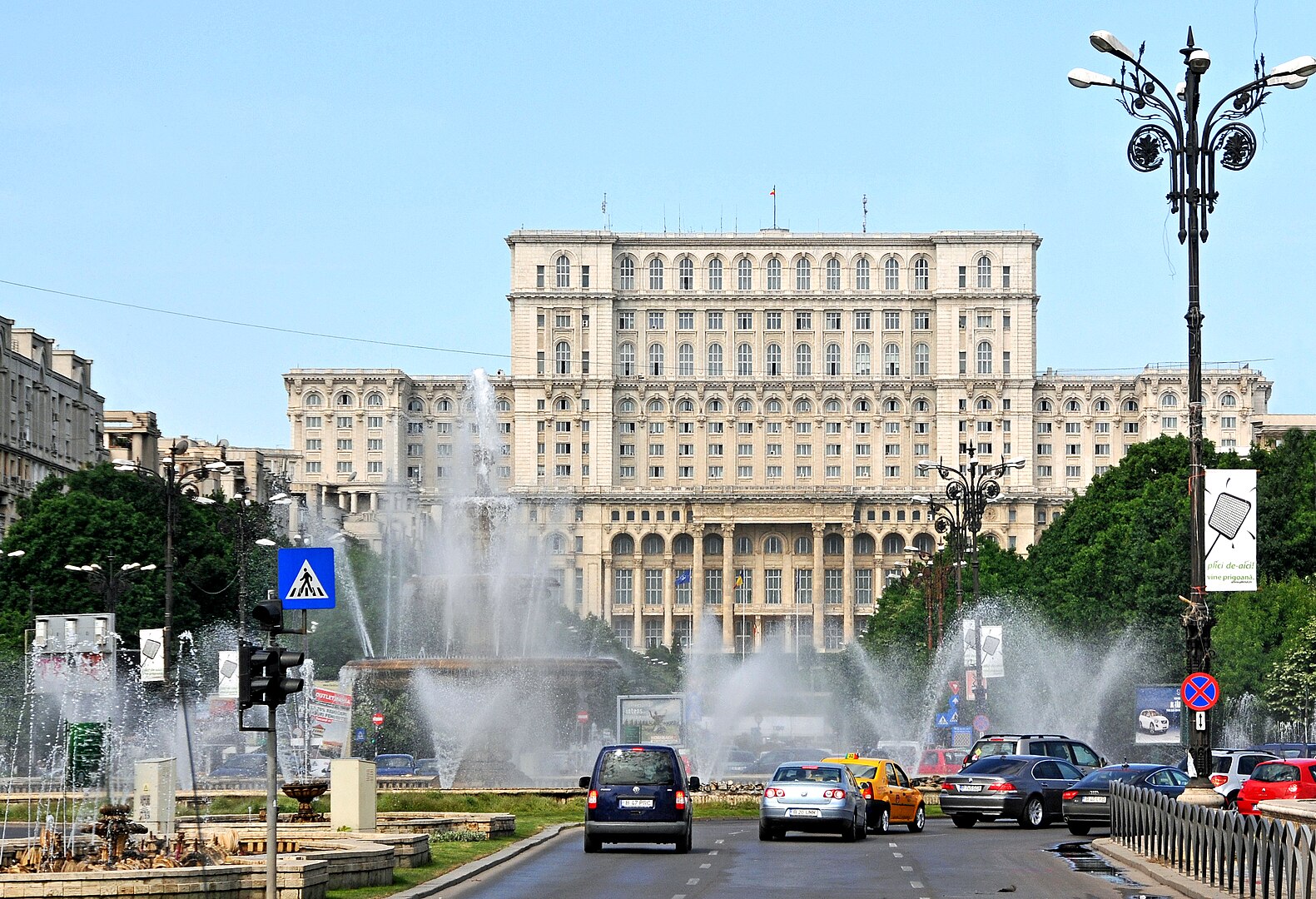
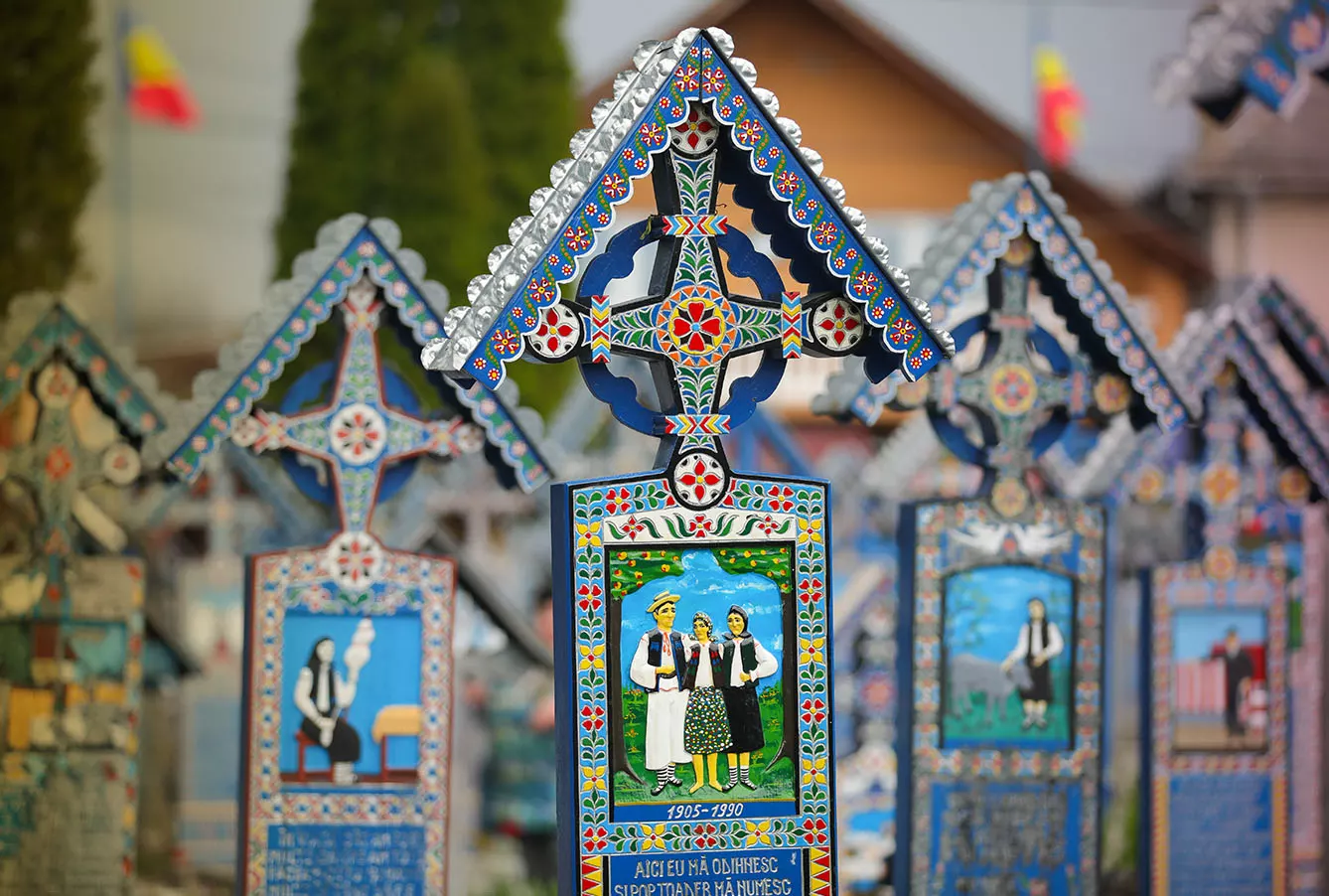
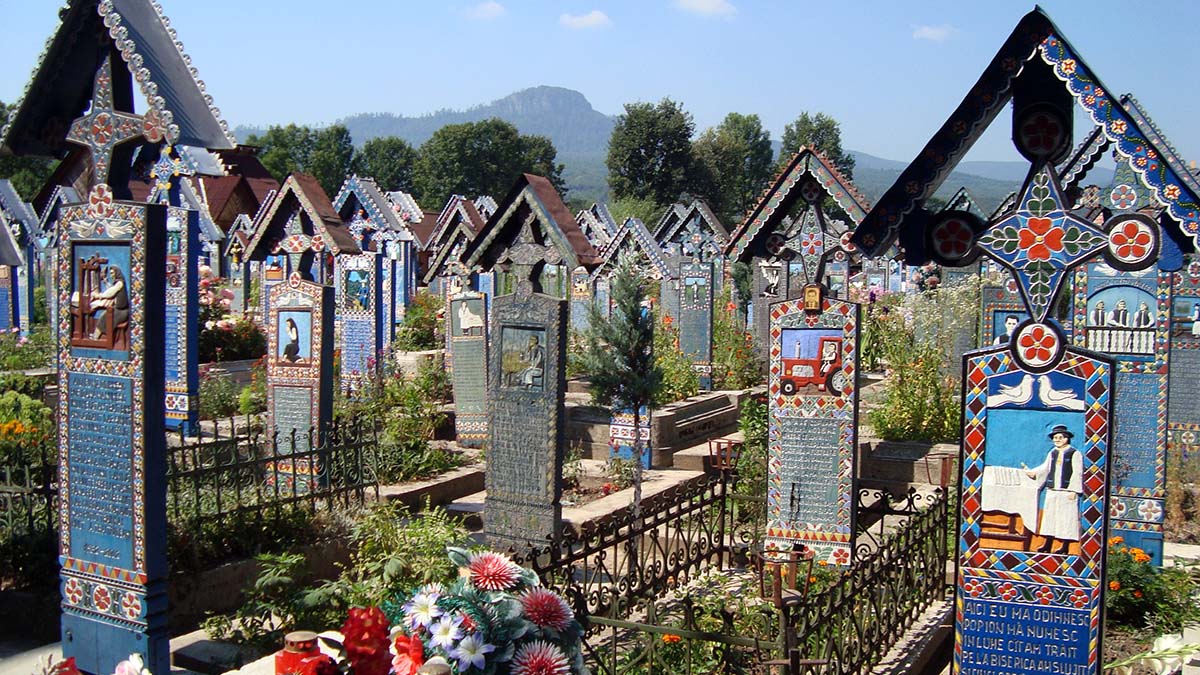
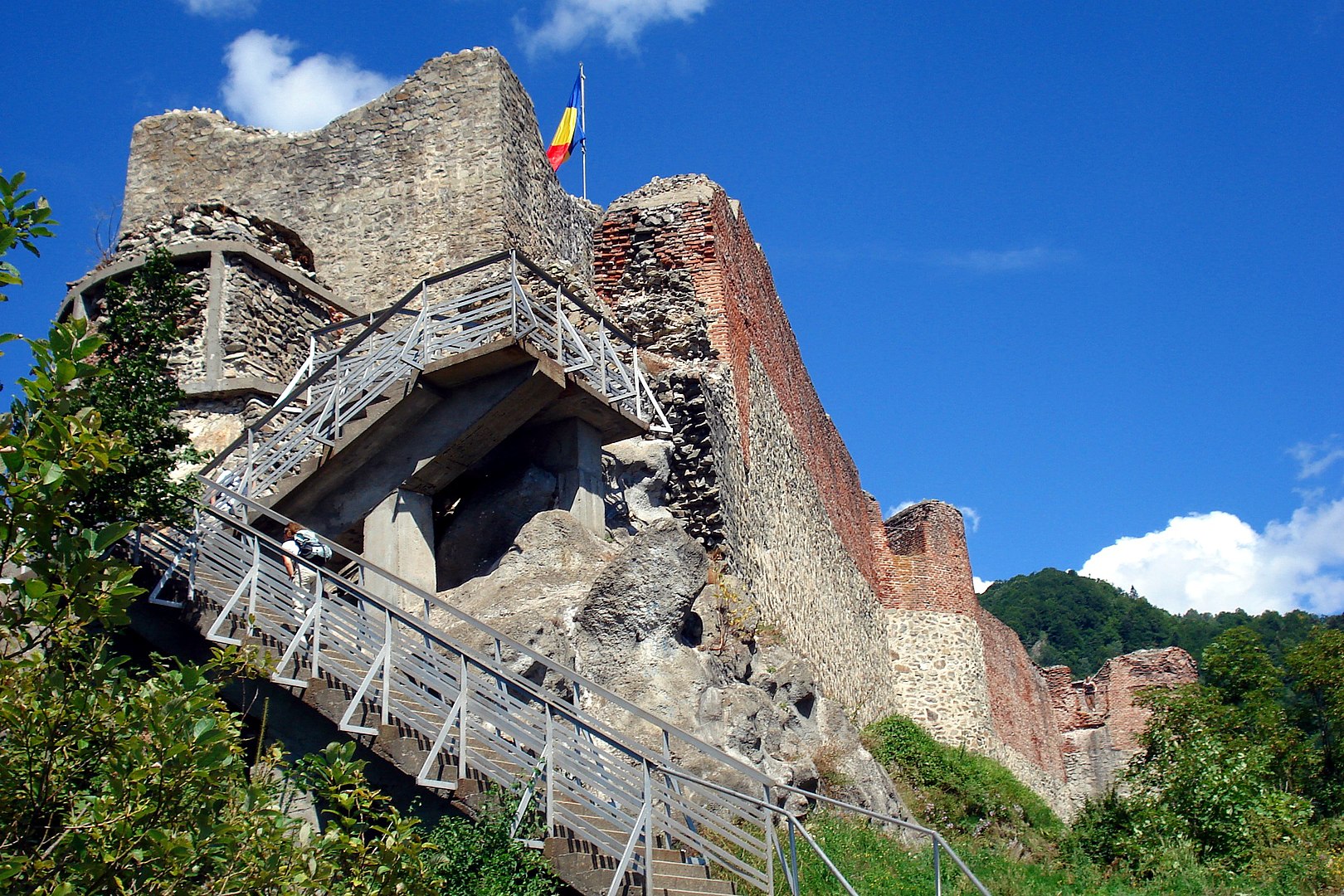
Discover Poenari Fortress, the Merry Cemetery in Săpânța, Bucharest’s Palace of Parliament and Peleș Castle in Episode 2 of Romania: The Stories.
-
Edition 3
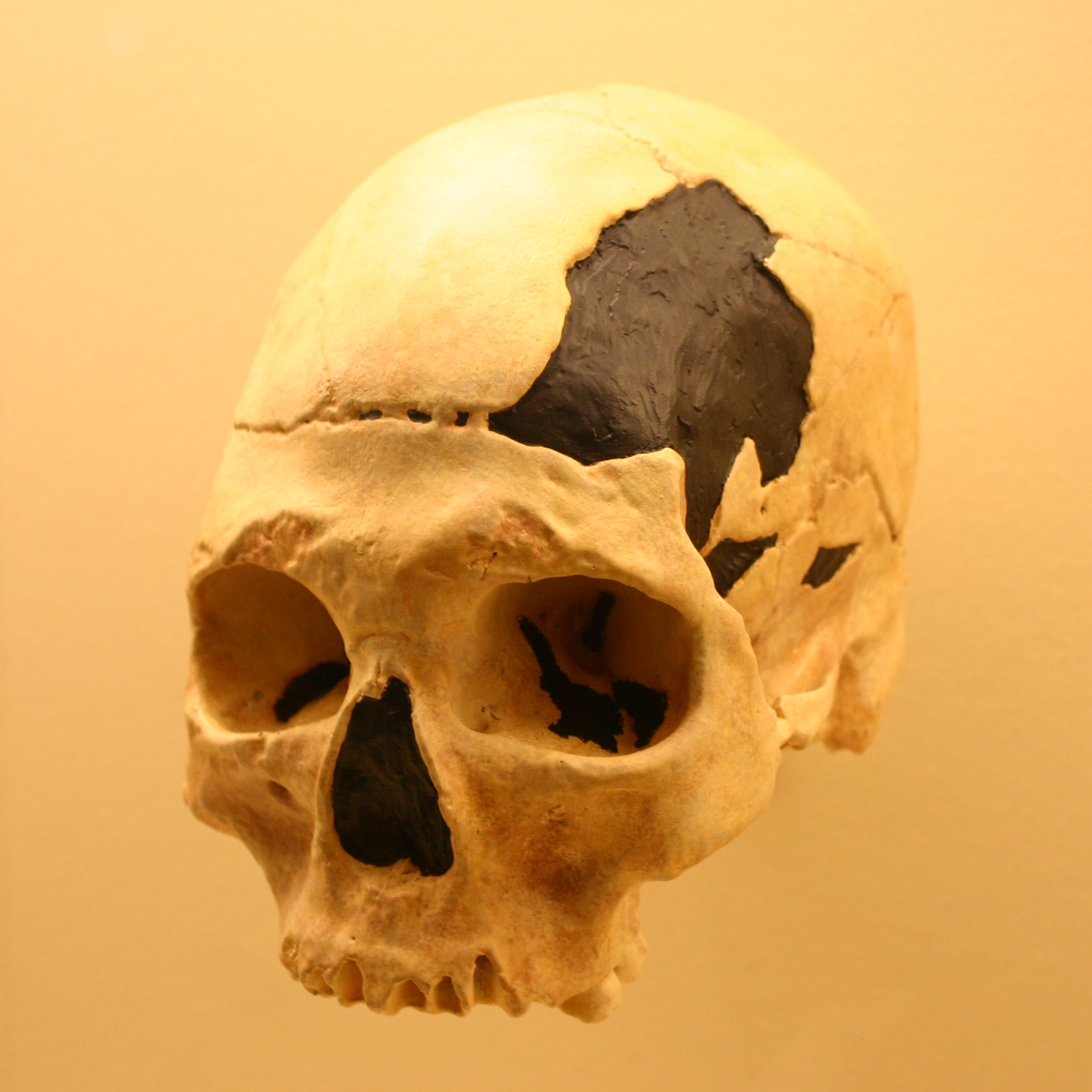
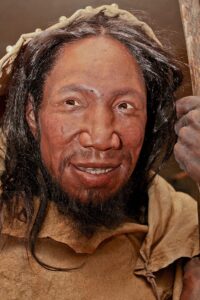
Explore Romania through prehistoric discoveries, the Sphinx of the Bucegi Mountains, Nobel Prize laureates and an extraordinary Romanian medical term in Episode 3 of Romania: The Stories.
-
Edition 4
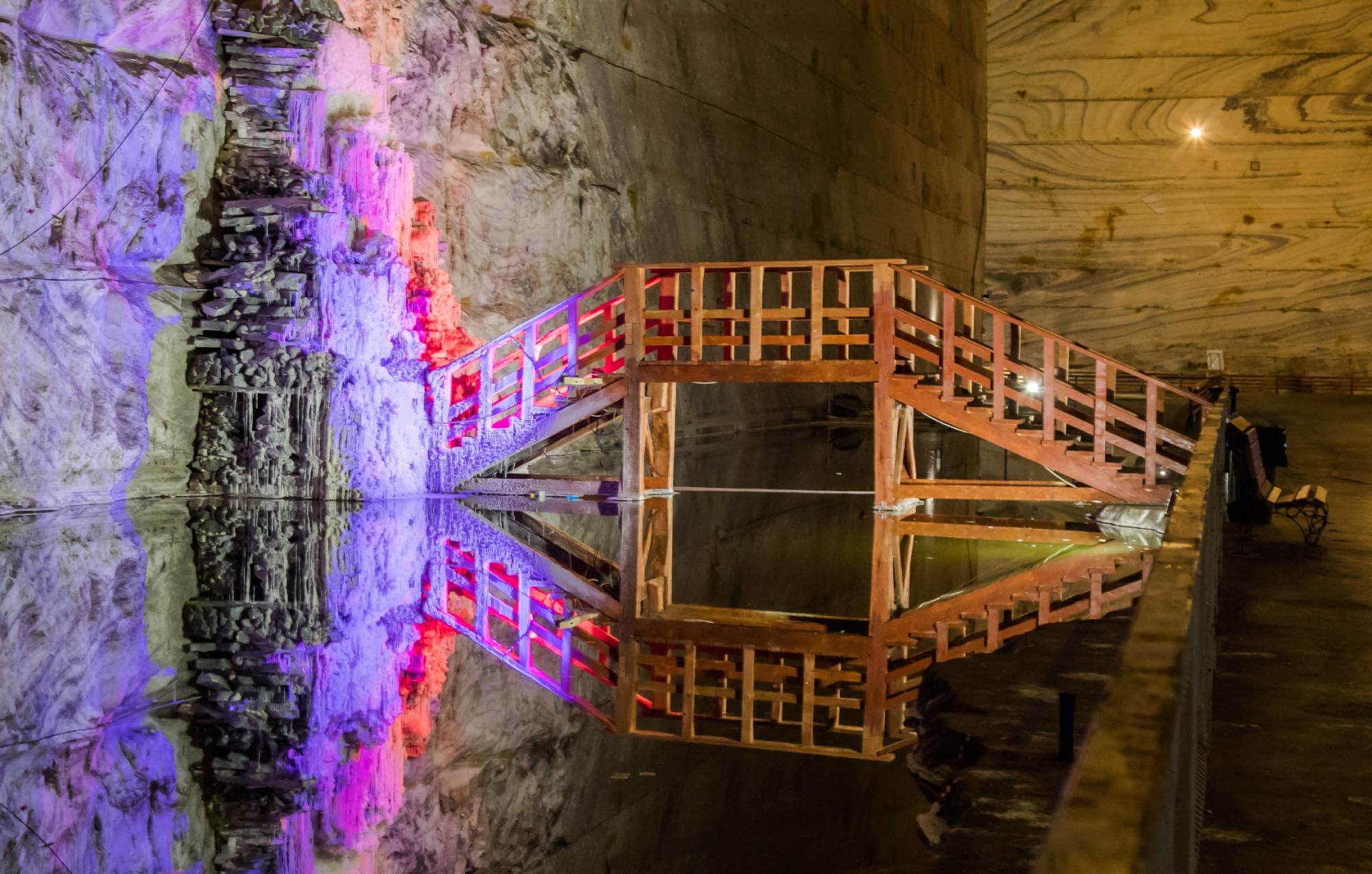
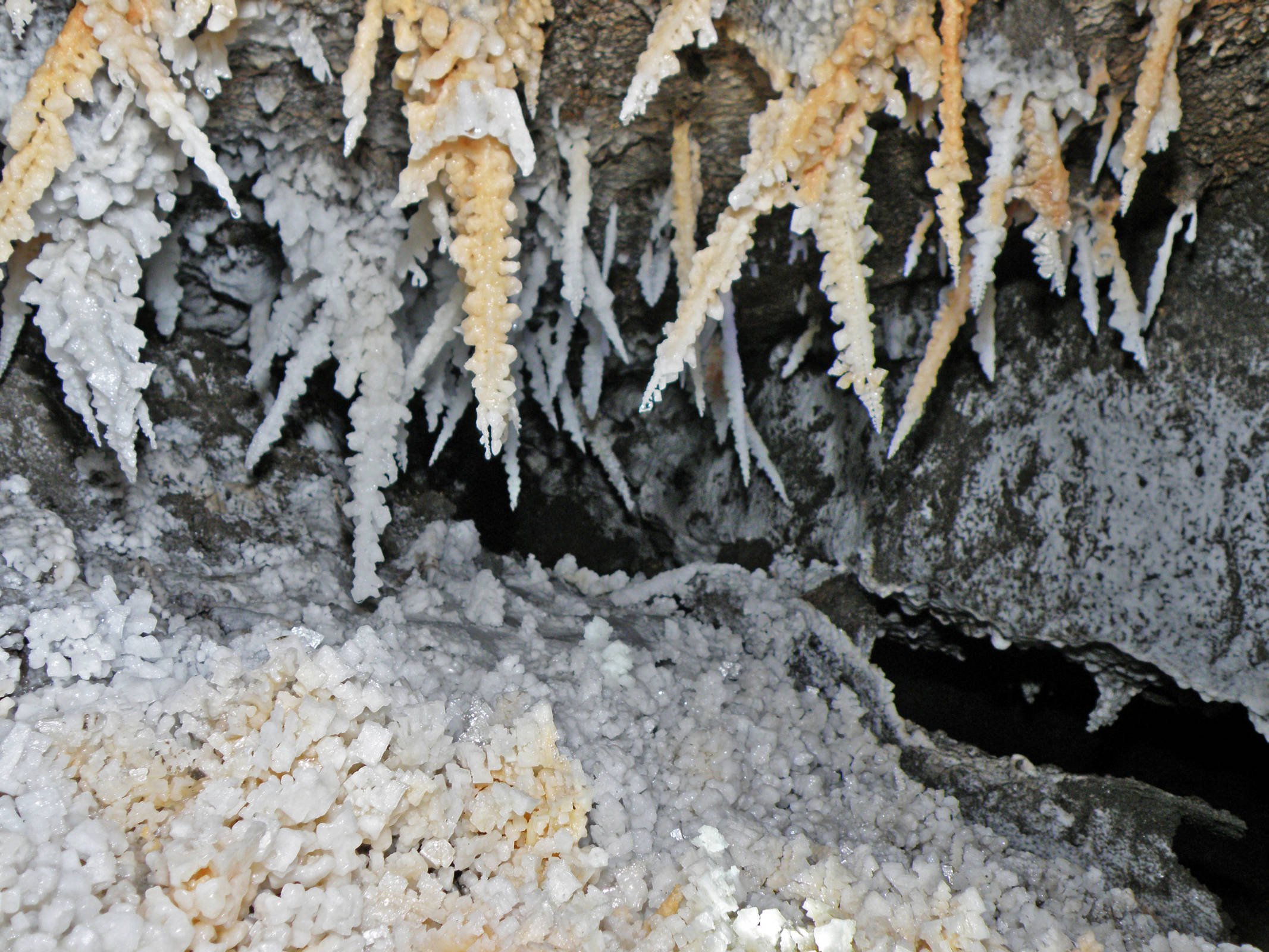
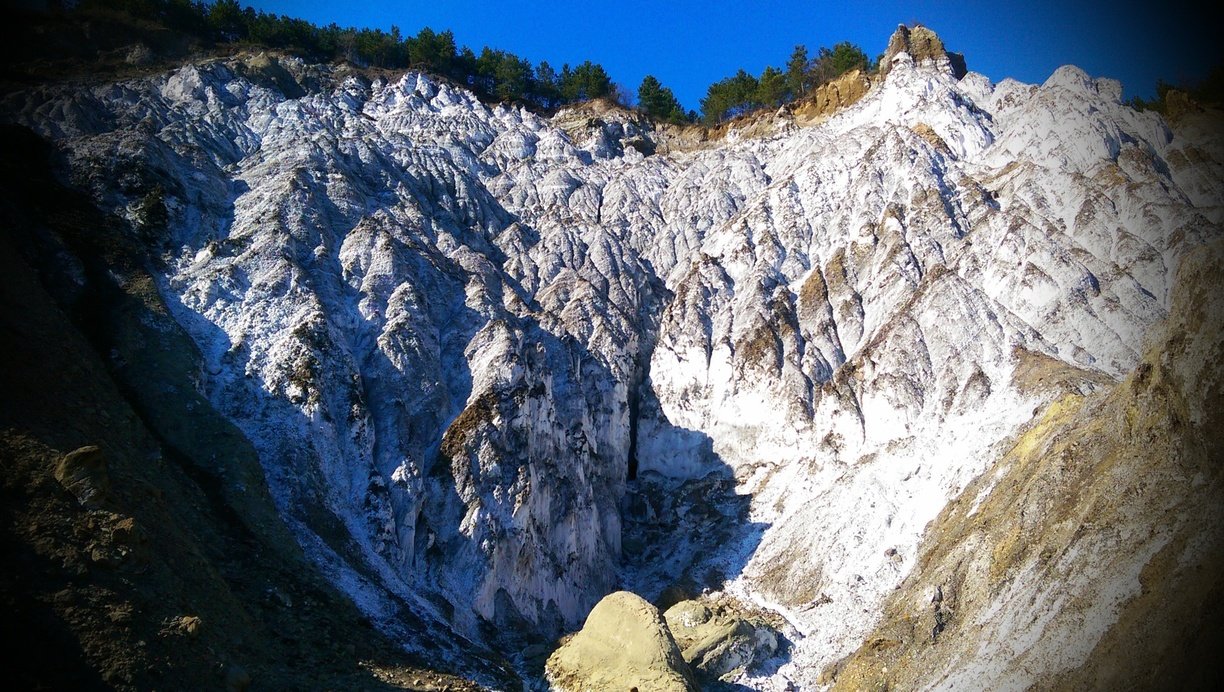
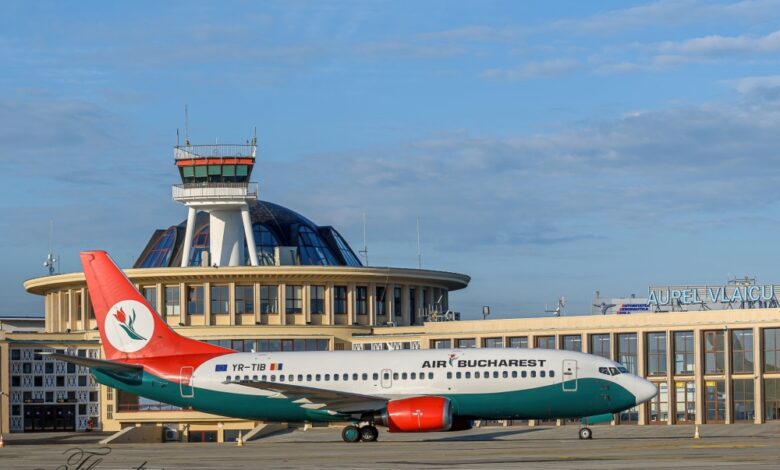
Explore the Danube–Black Sea Canal, Bucharest’s Băneasa Airport, the European bison and the underground salt landscape of Mânzălești in Episode 4 of Romania: The Stories.
-

Edition 5
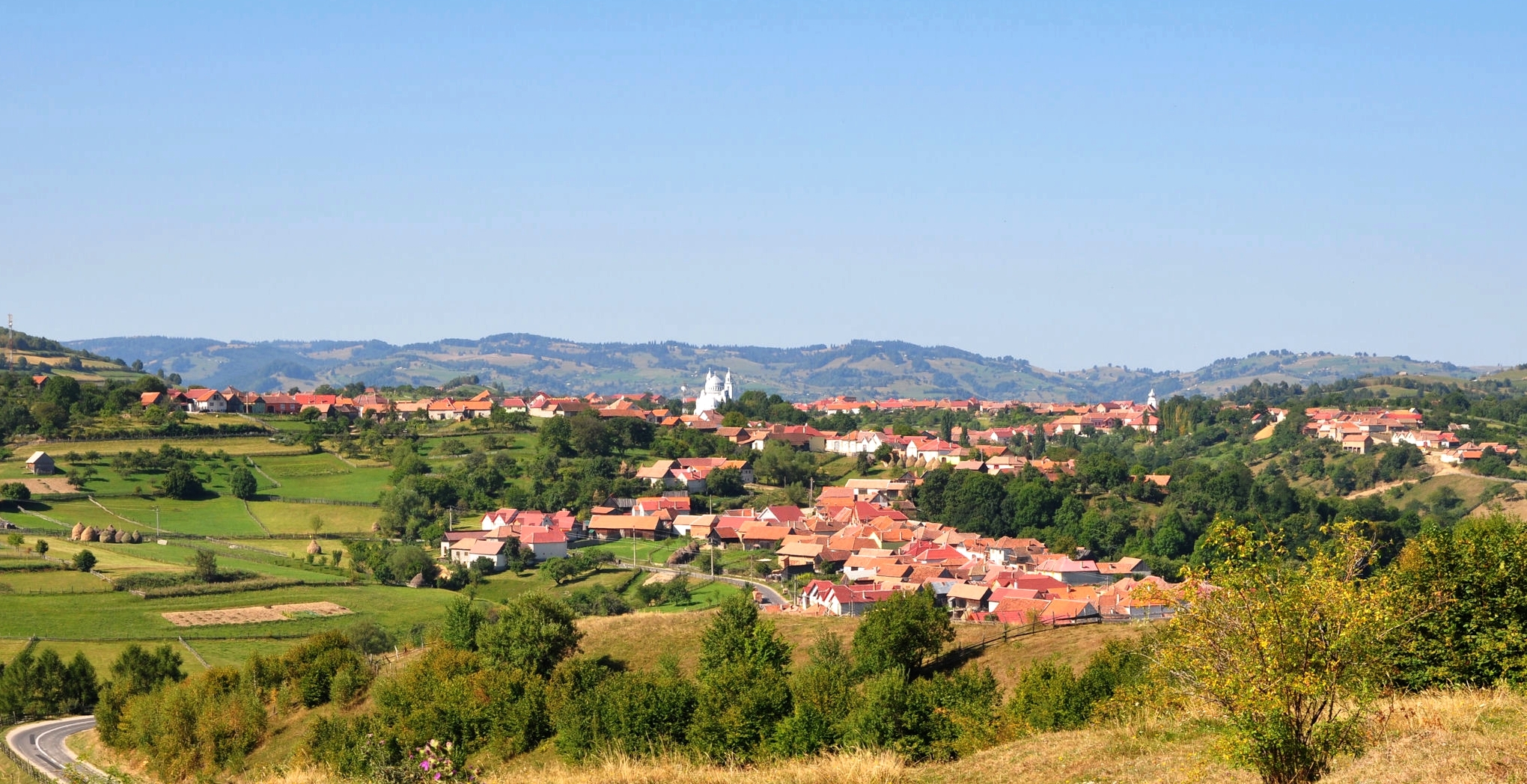
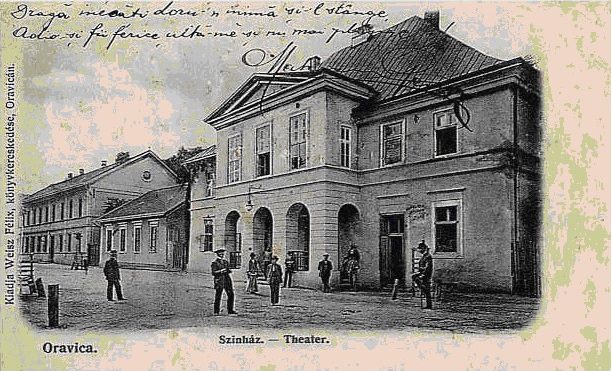
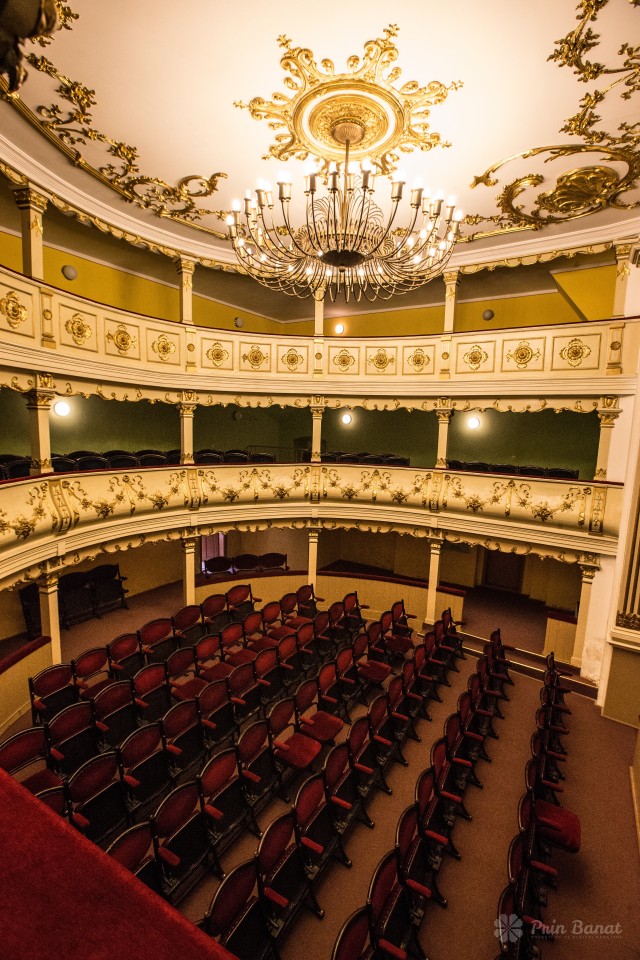
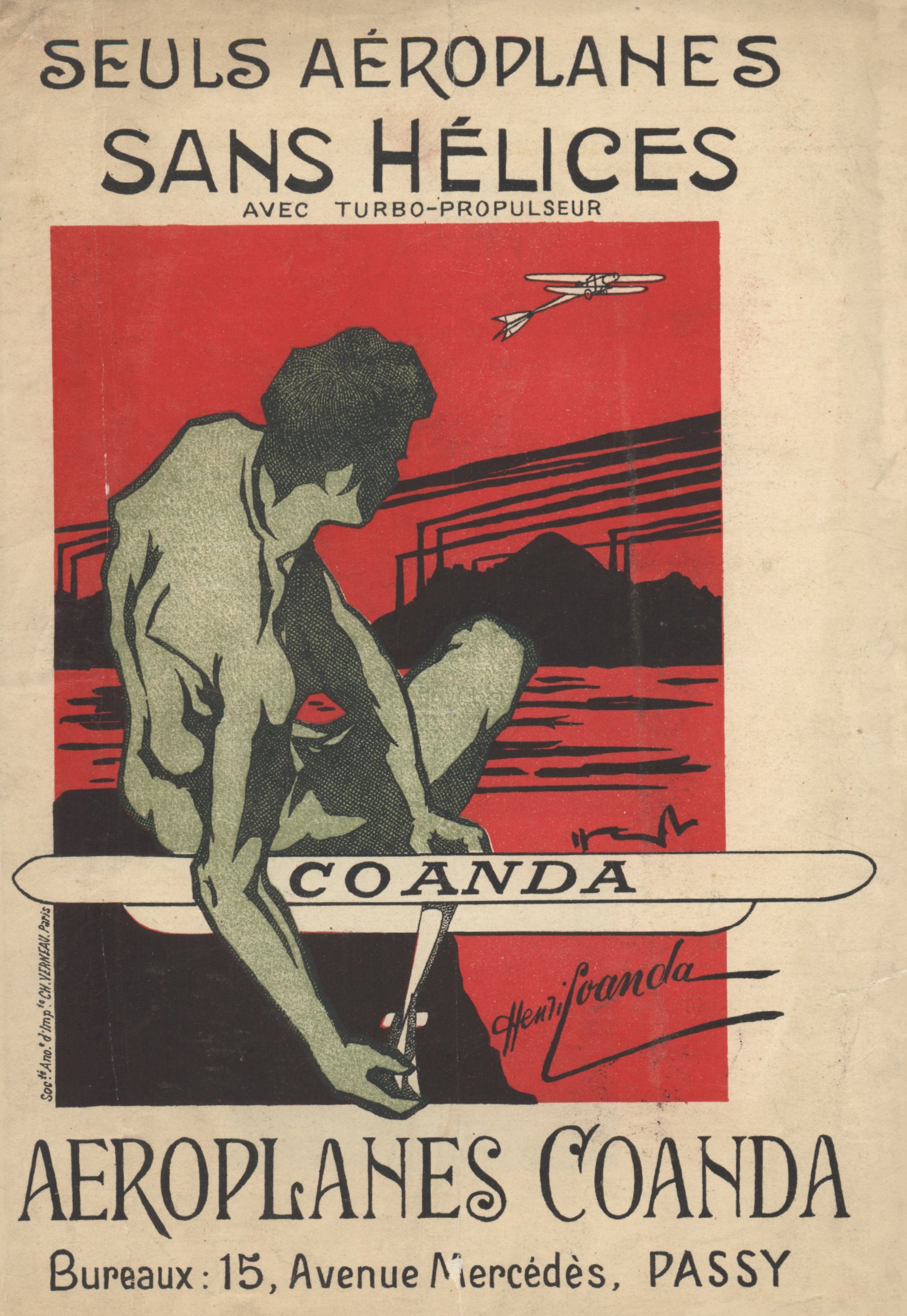
Discover astronomer Victor Daimaca, Henri Coandă’s experimental aircraft of 1910, the remote village of Ineleț and Oravița’s historic theatre in Episode 5 of Romania: The Stories.
-
Edition 6
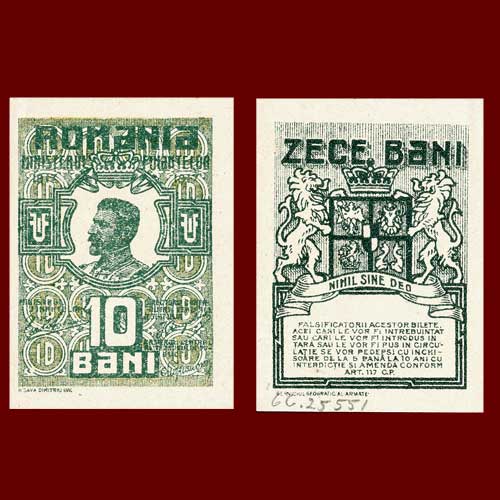
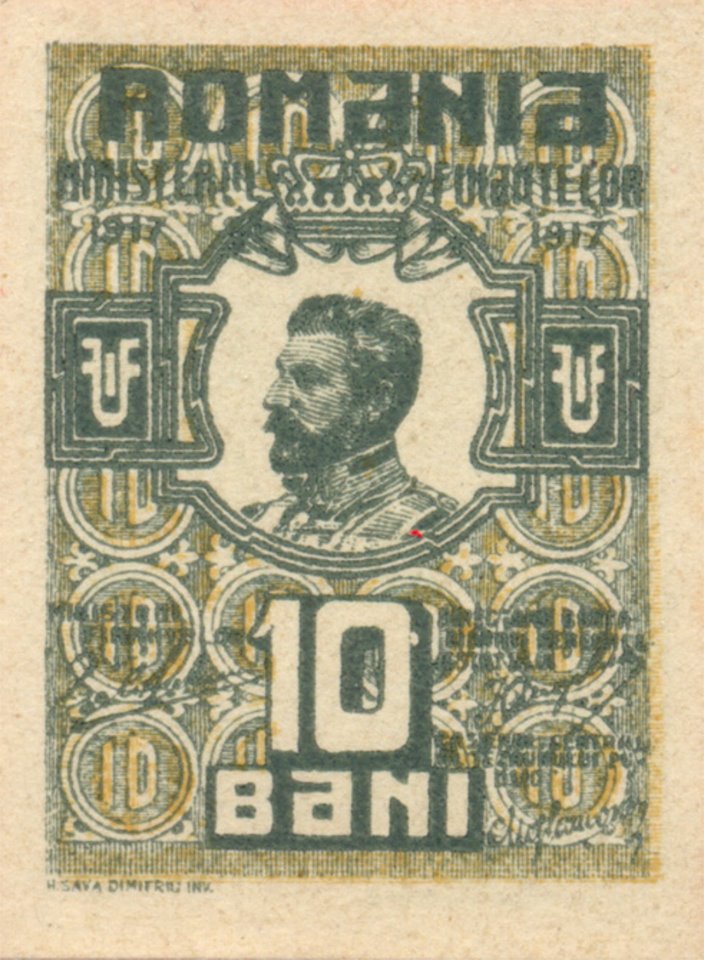
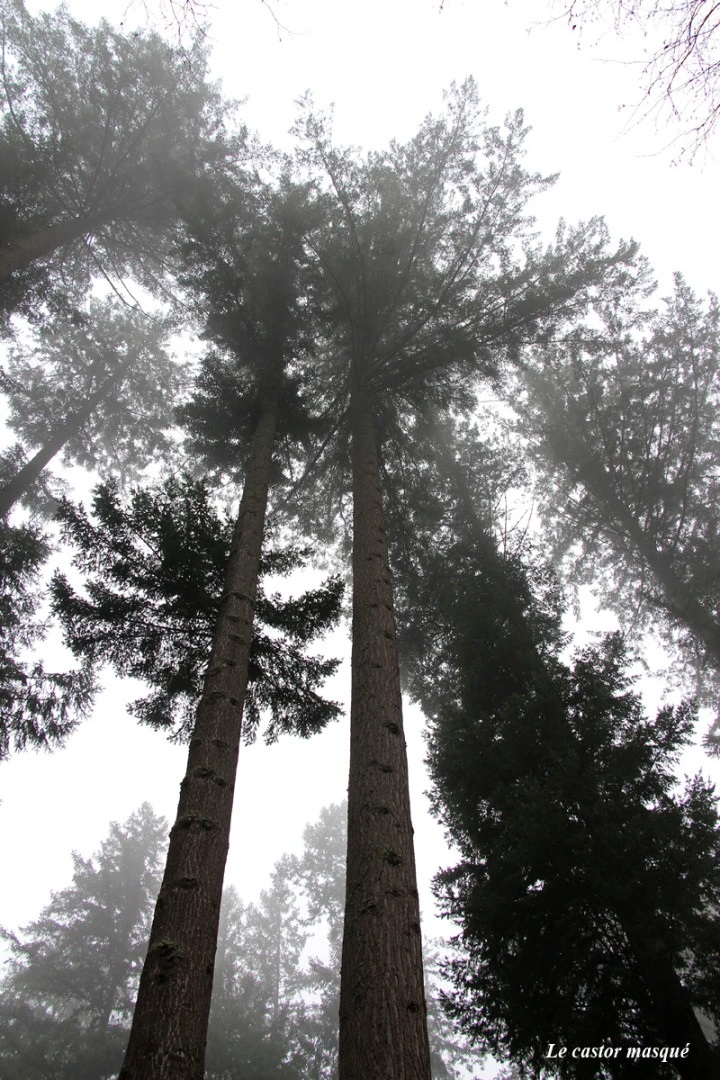
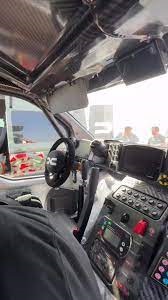
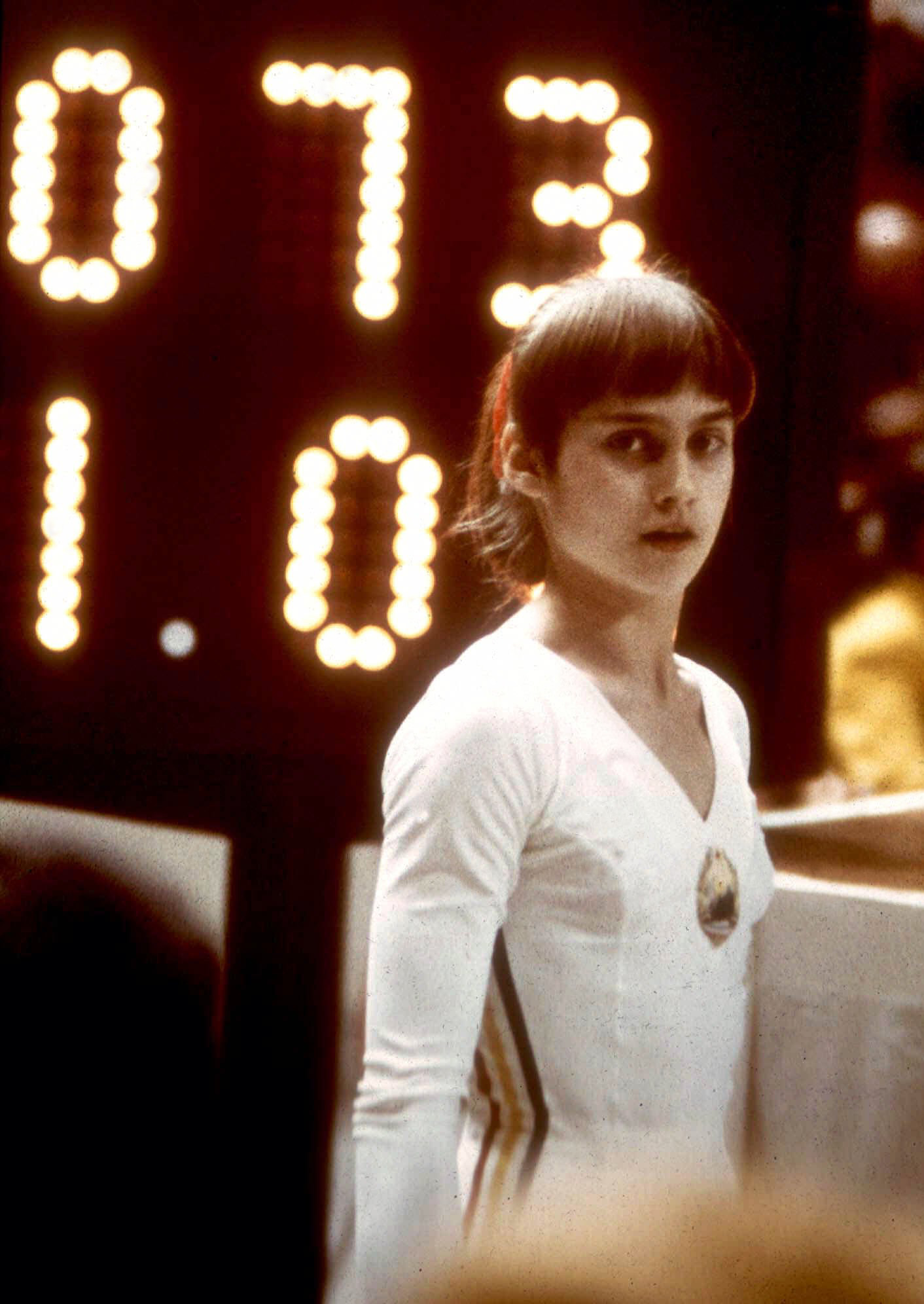
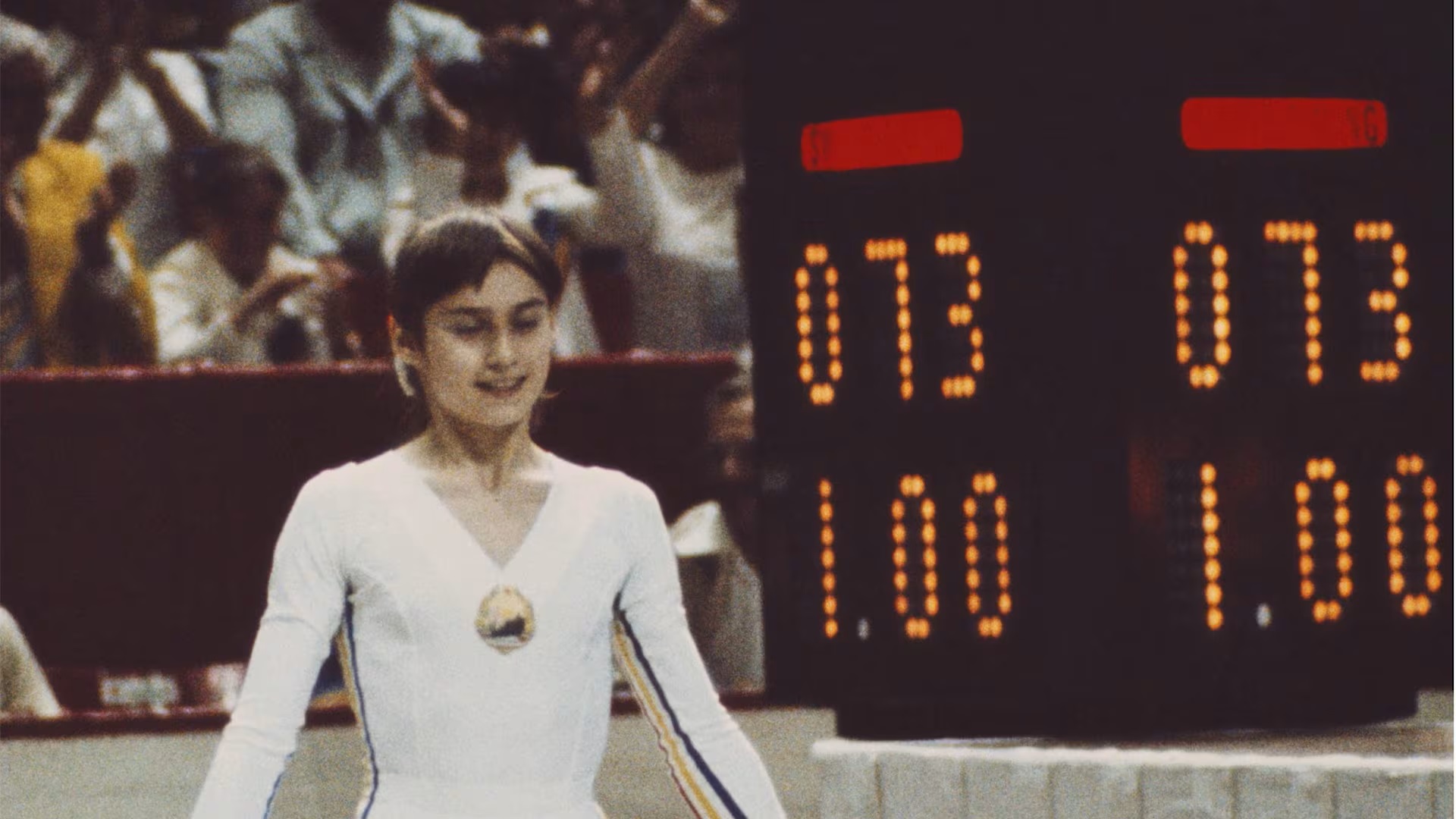
Revisit Nadia Comăneci’s perfect ten, discover Dacia’s Sandrider at Dakar 2025, explore Șinca Forest and uncover the story of a tiny Romanian banknote.
-

Edition 7
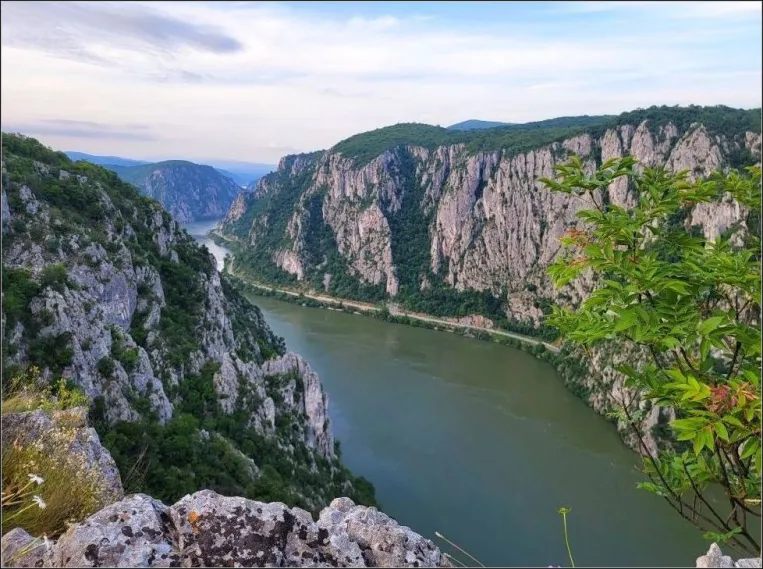
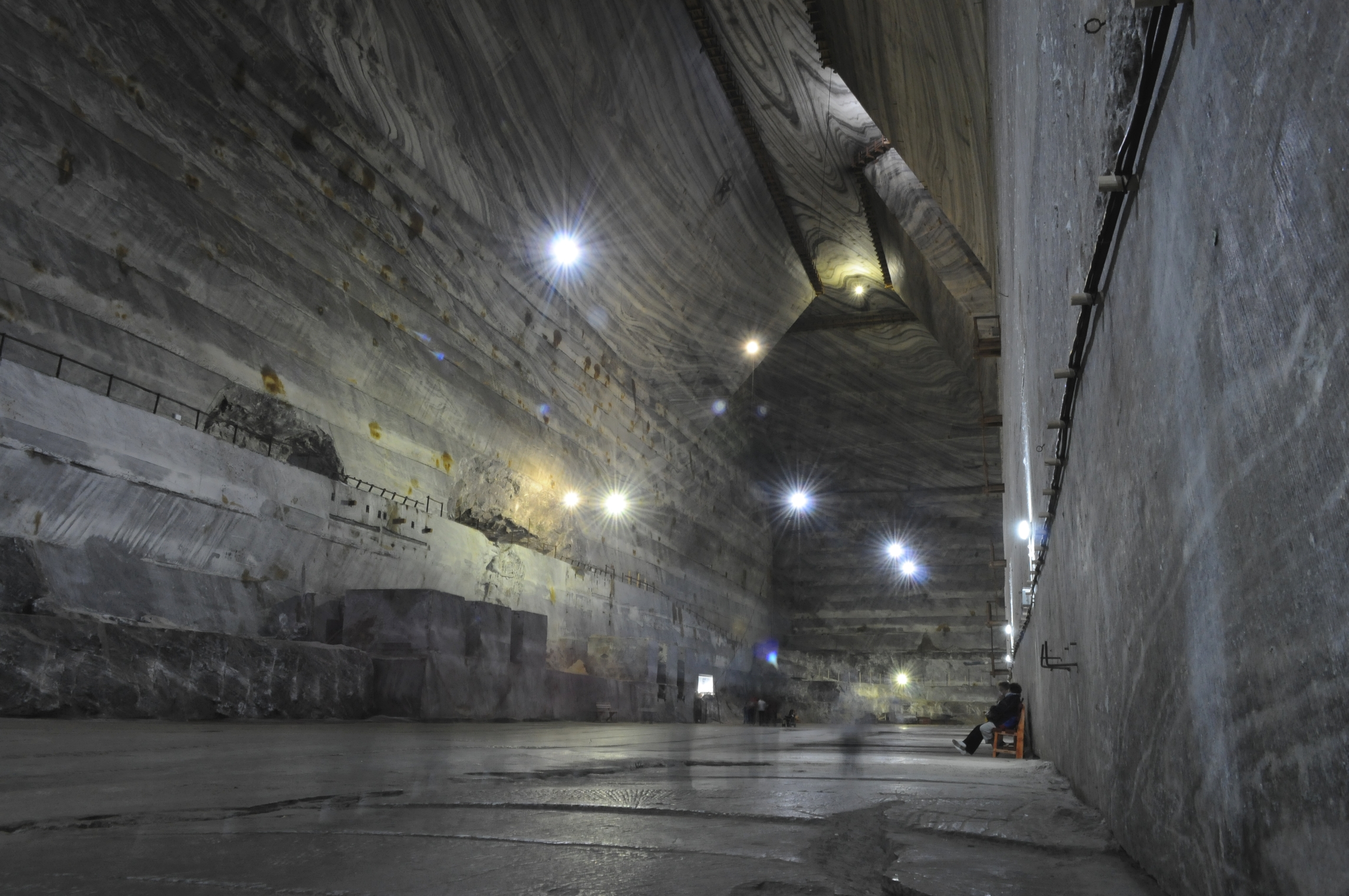
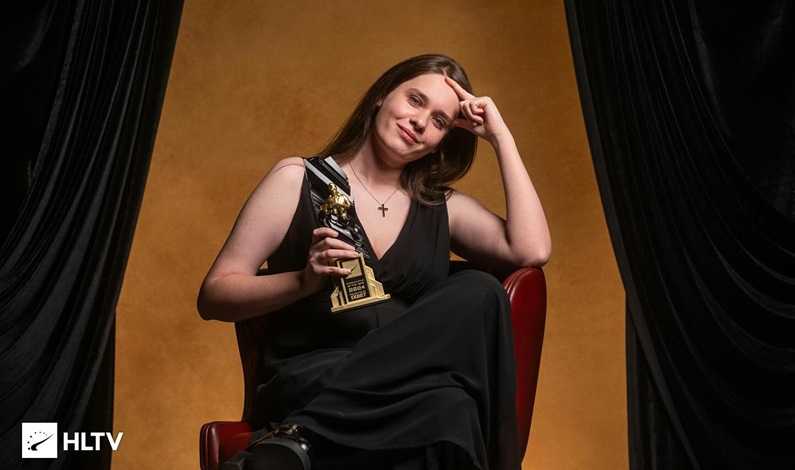
Meet Romanian esports player Ana Dumbravă, explore Slănic Salt Mine, discover Săpânța-Peri’s wooden church and follow the Danube through the Iron Gates.
-
Edition 8
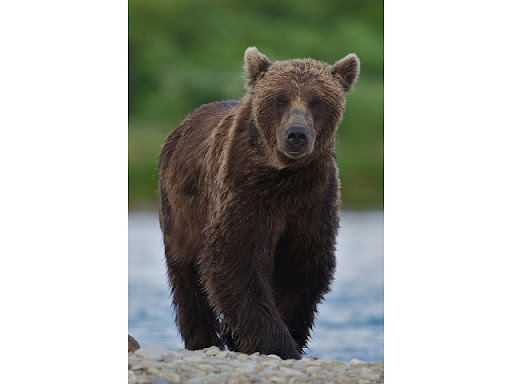
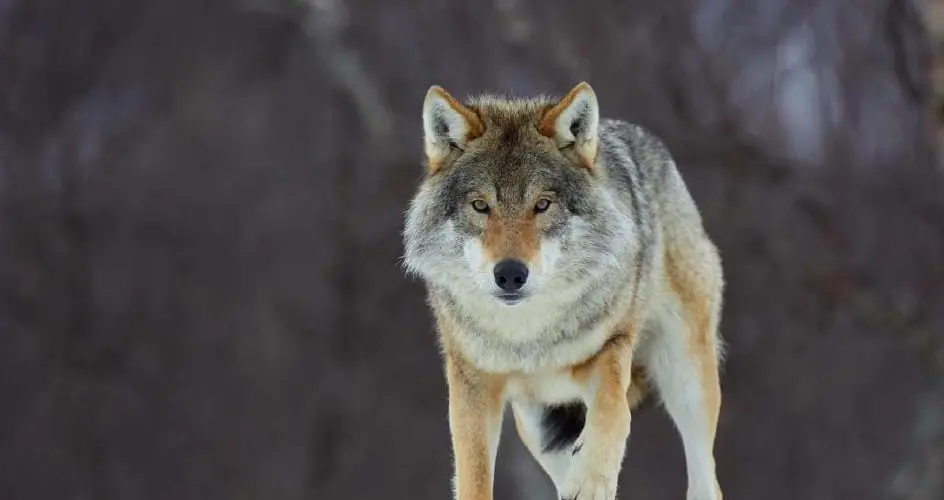
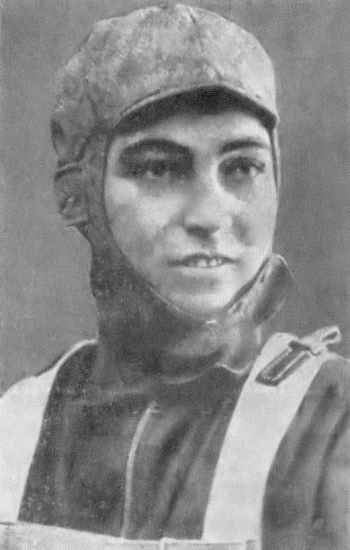
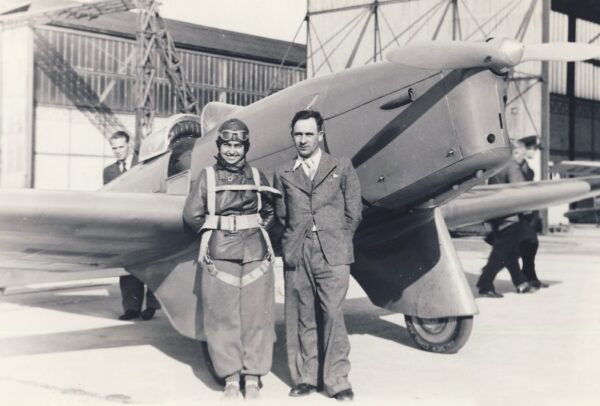
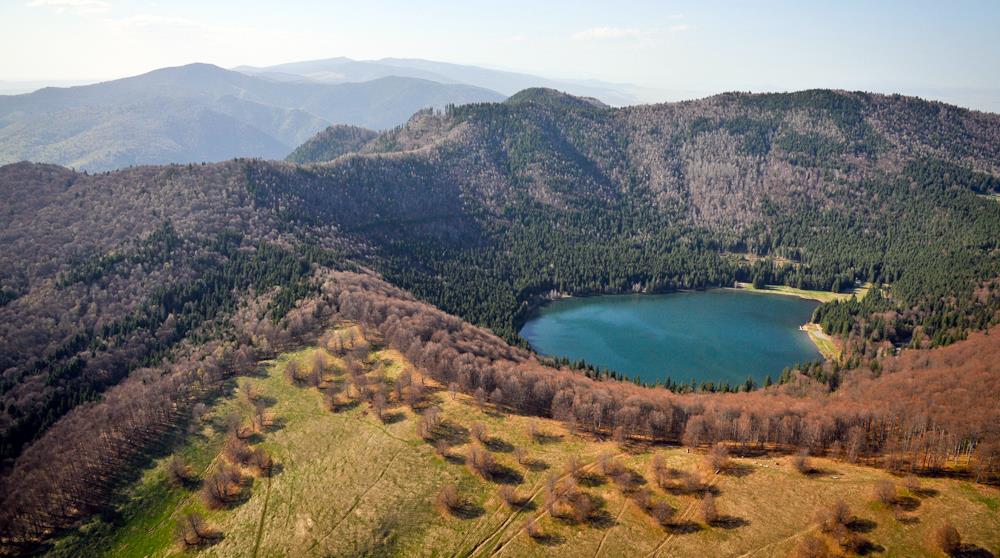
Discover Lake Sfânta Ana, Romania’s early oil industry, parachuting pioneer Smaranda Brăescu and the country’s wildlife in the eighth episode of Romania: The Stories.
-
Edition 9
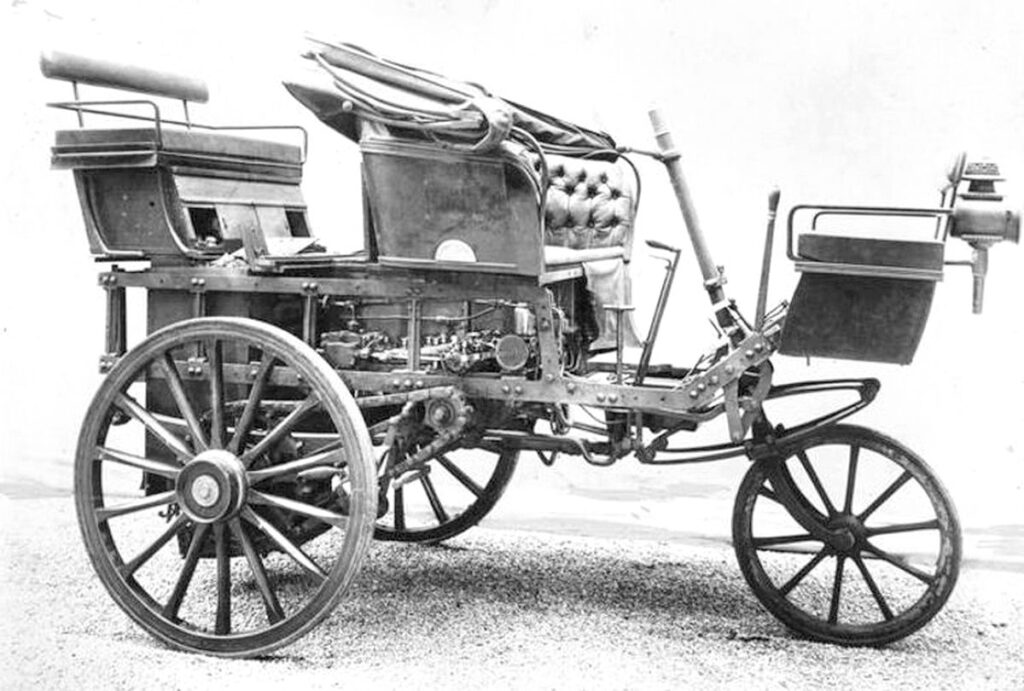
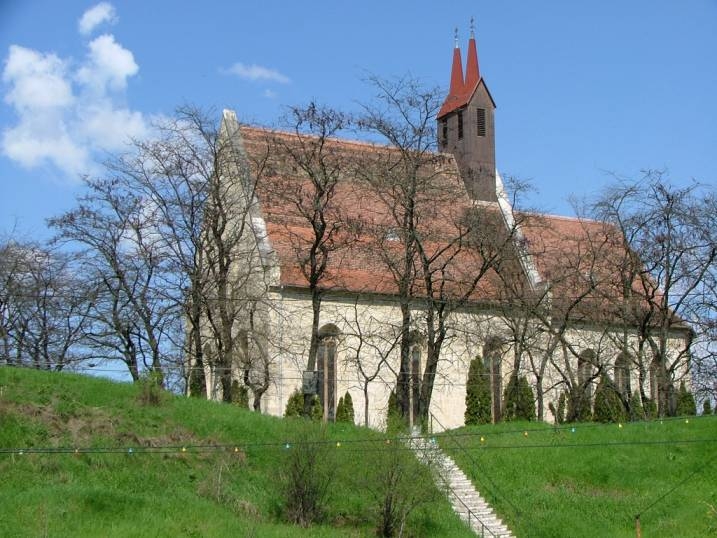
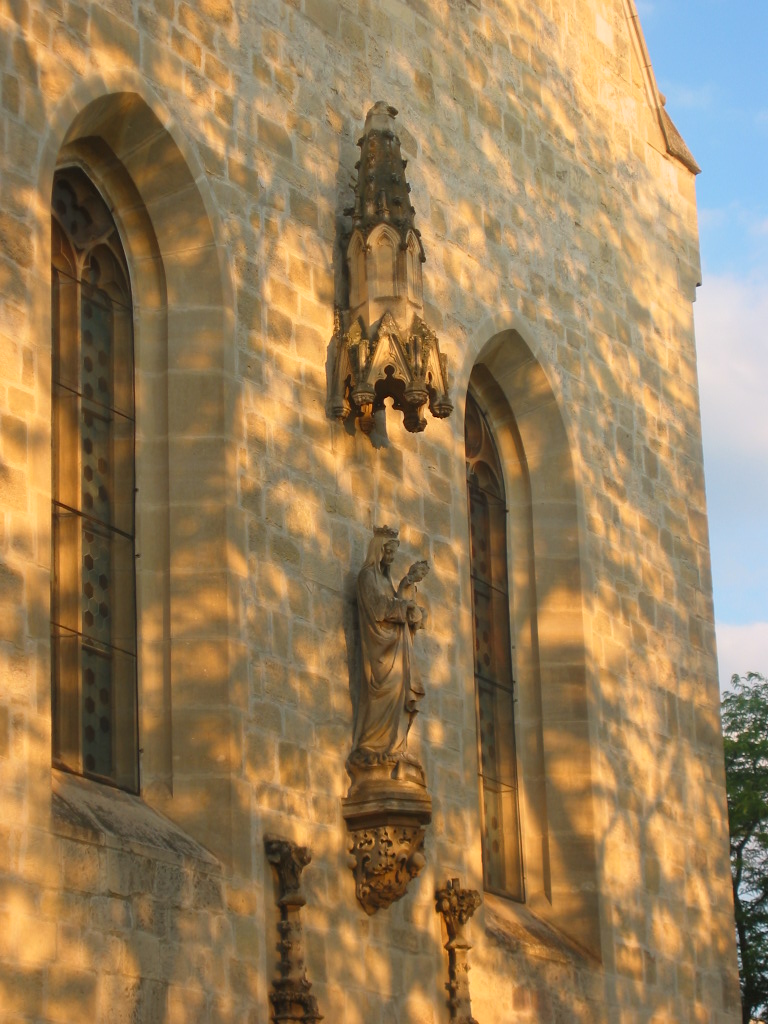
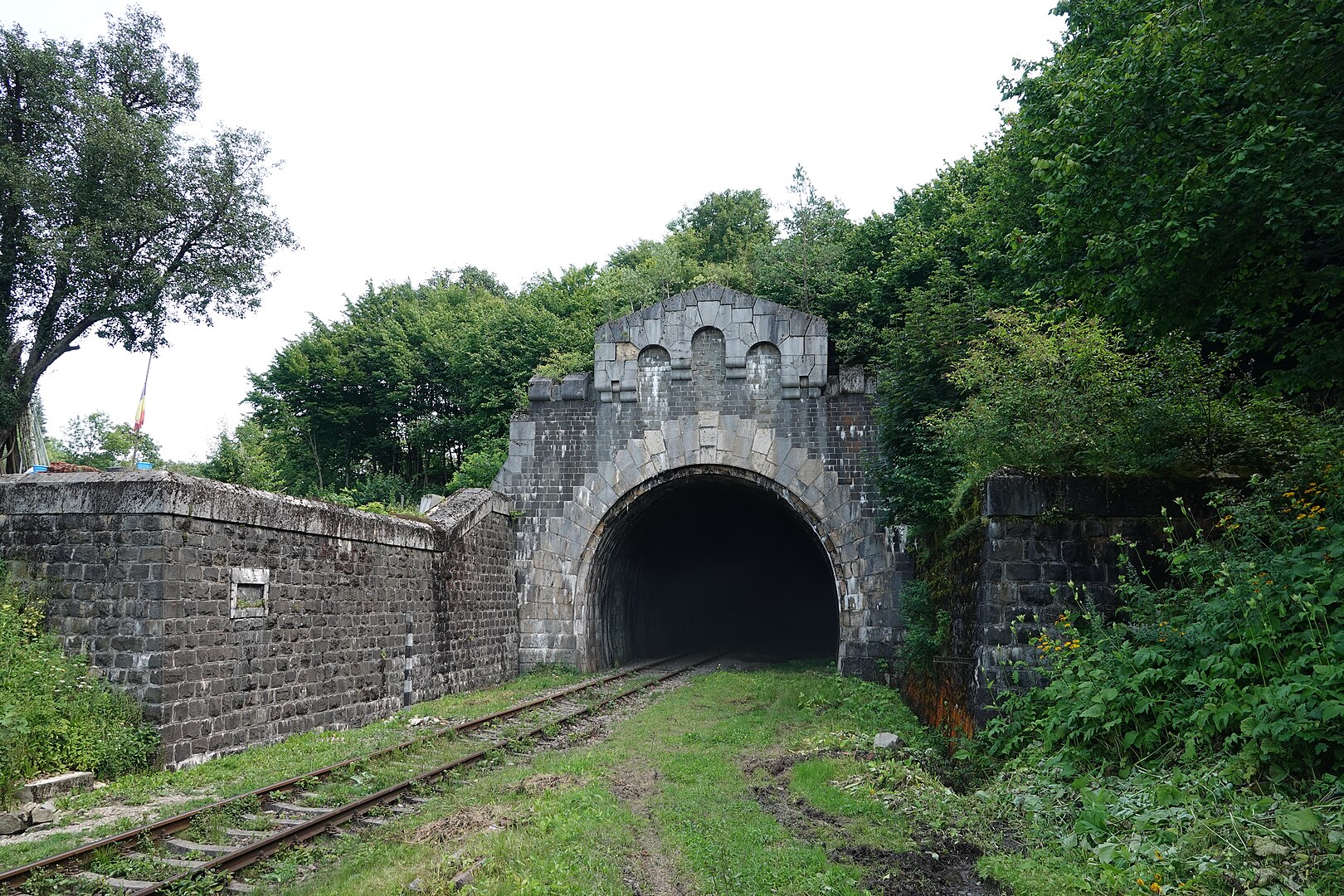
Explore Teliu railway tunnel, Calvaria Church in Cluj-Mănăștur, Jina village and the story of Barbu Bellu’s Peugeot in the ninth episode of Romania: The Stories.
-
Edition 10
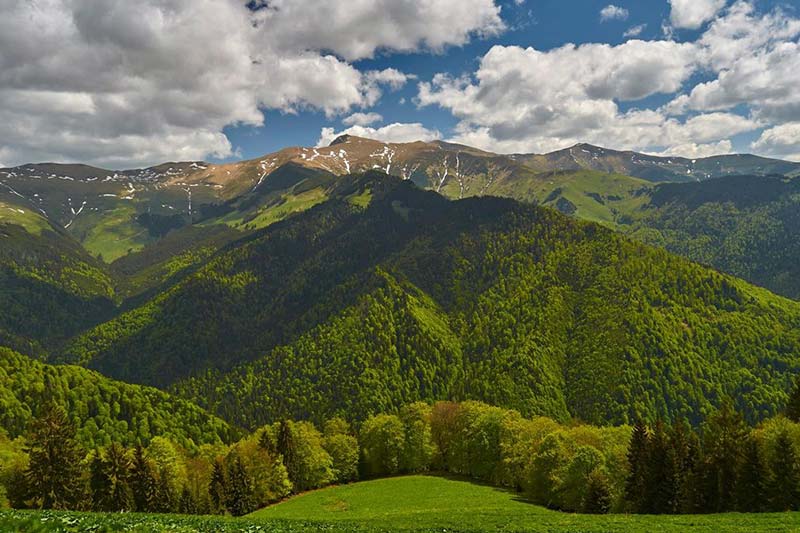
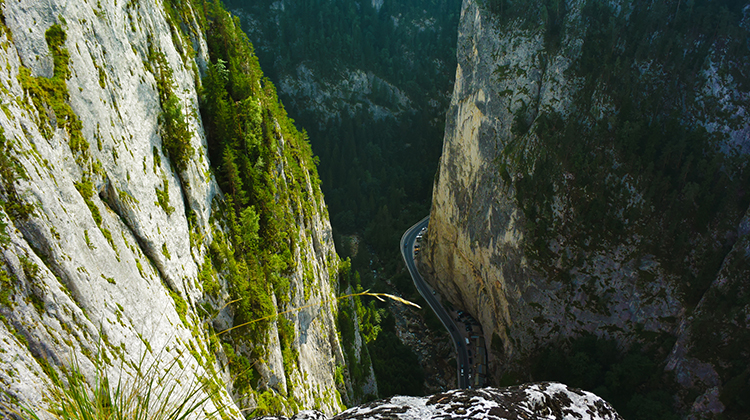
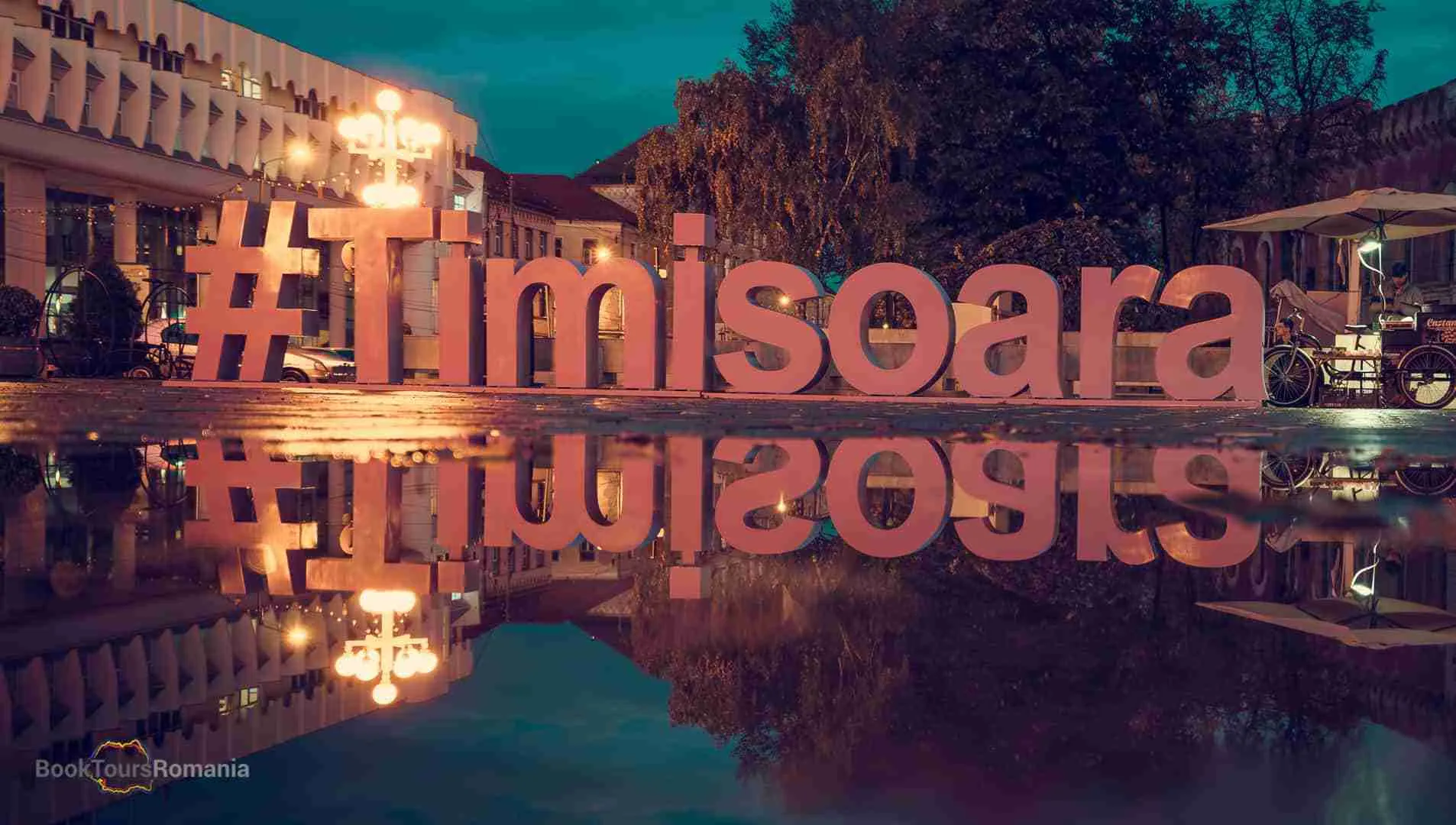
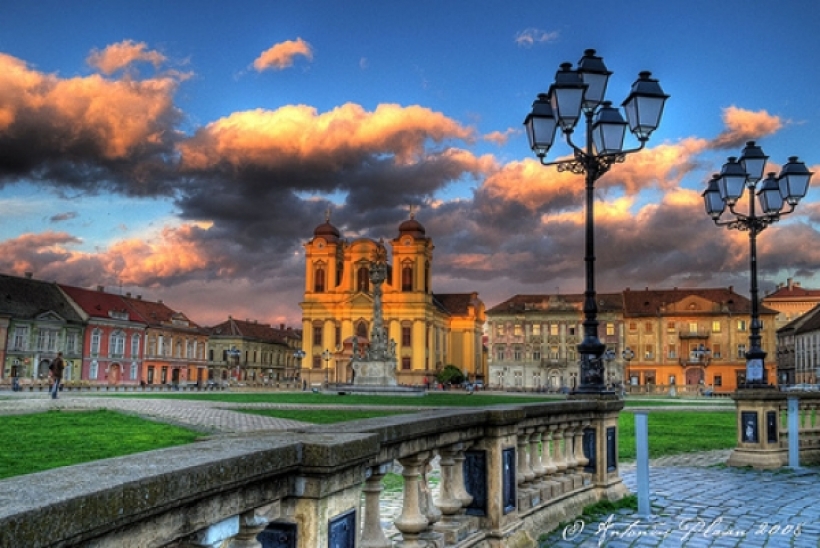
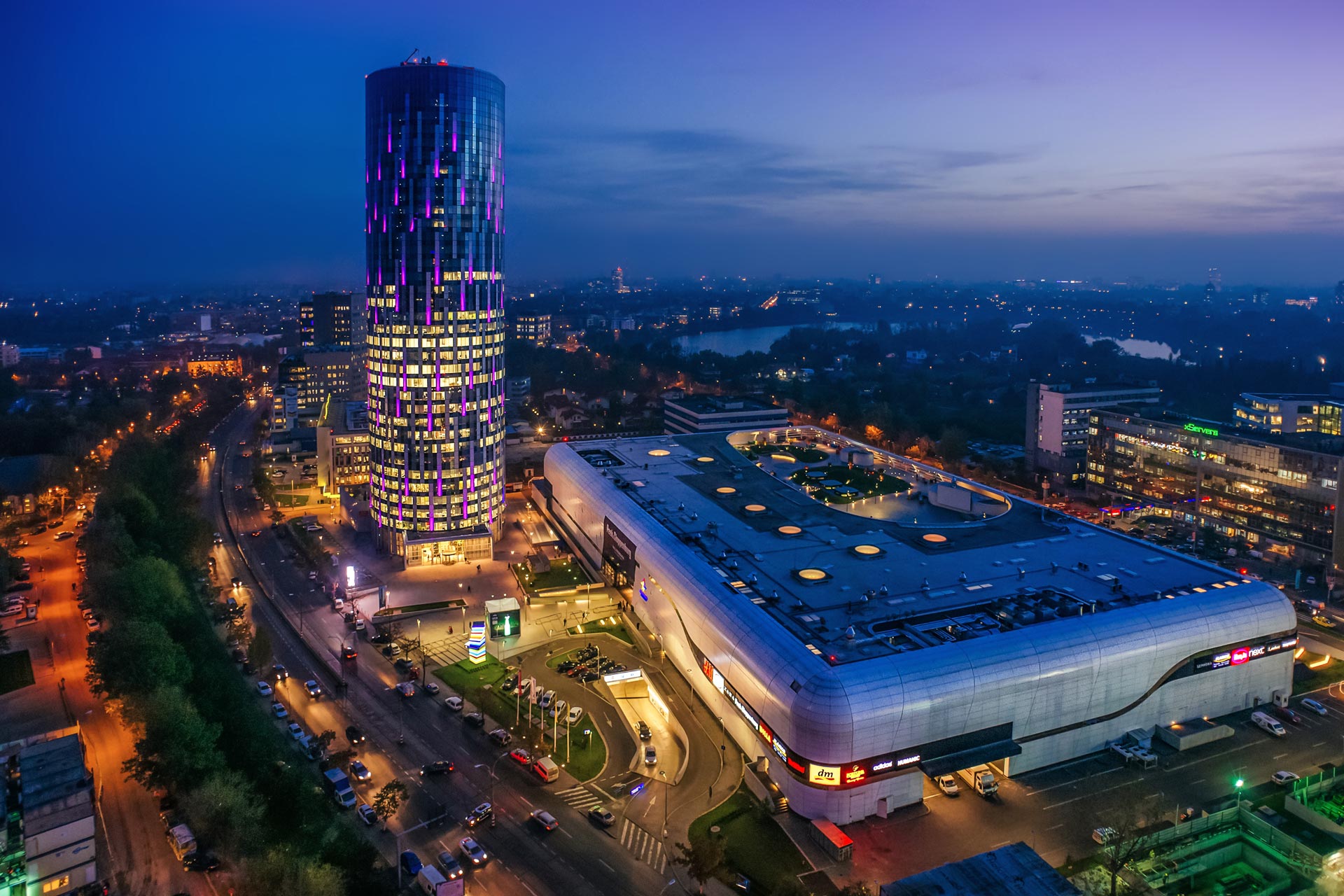
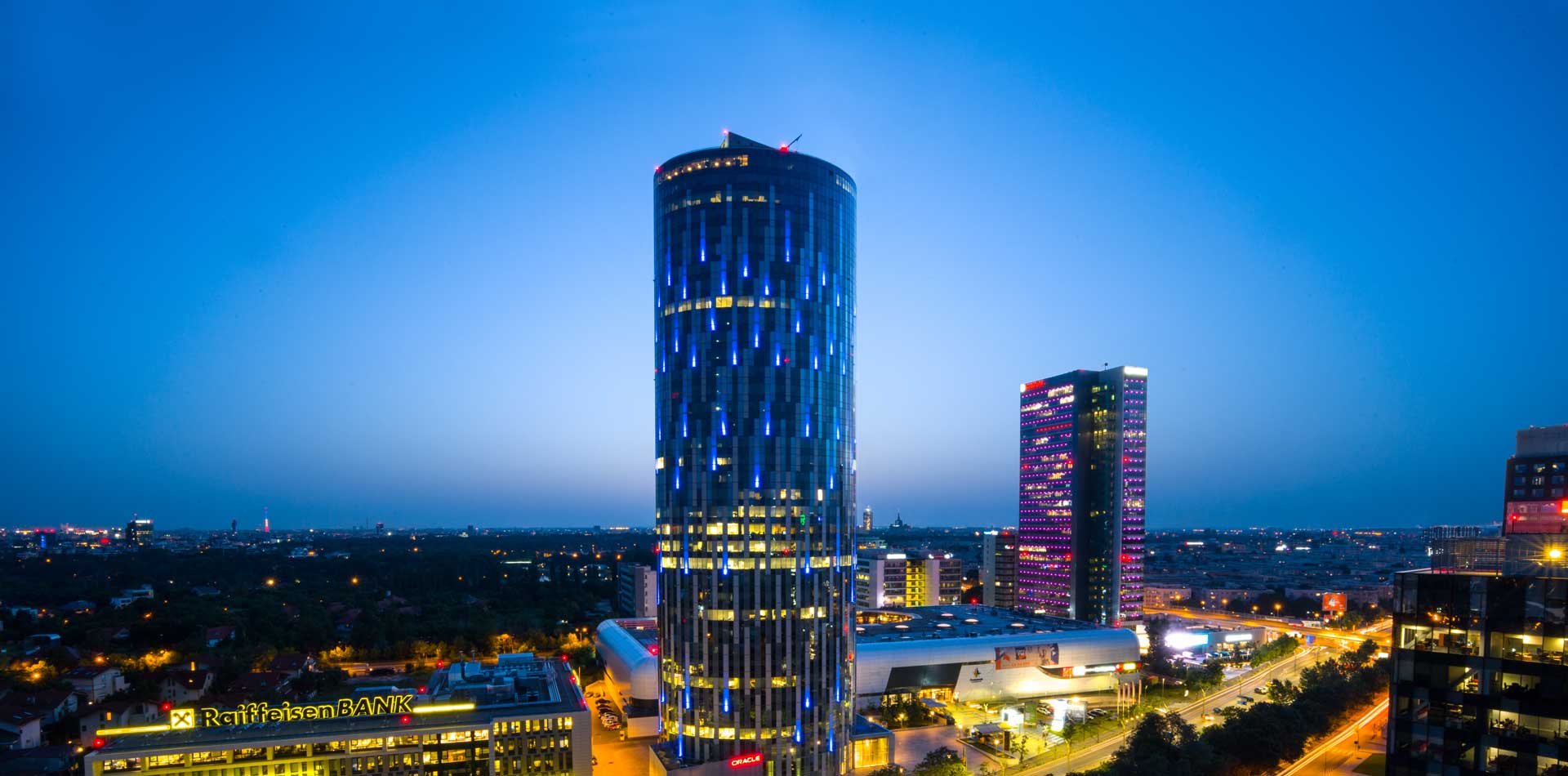
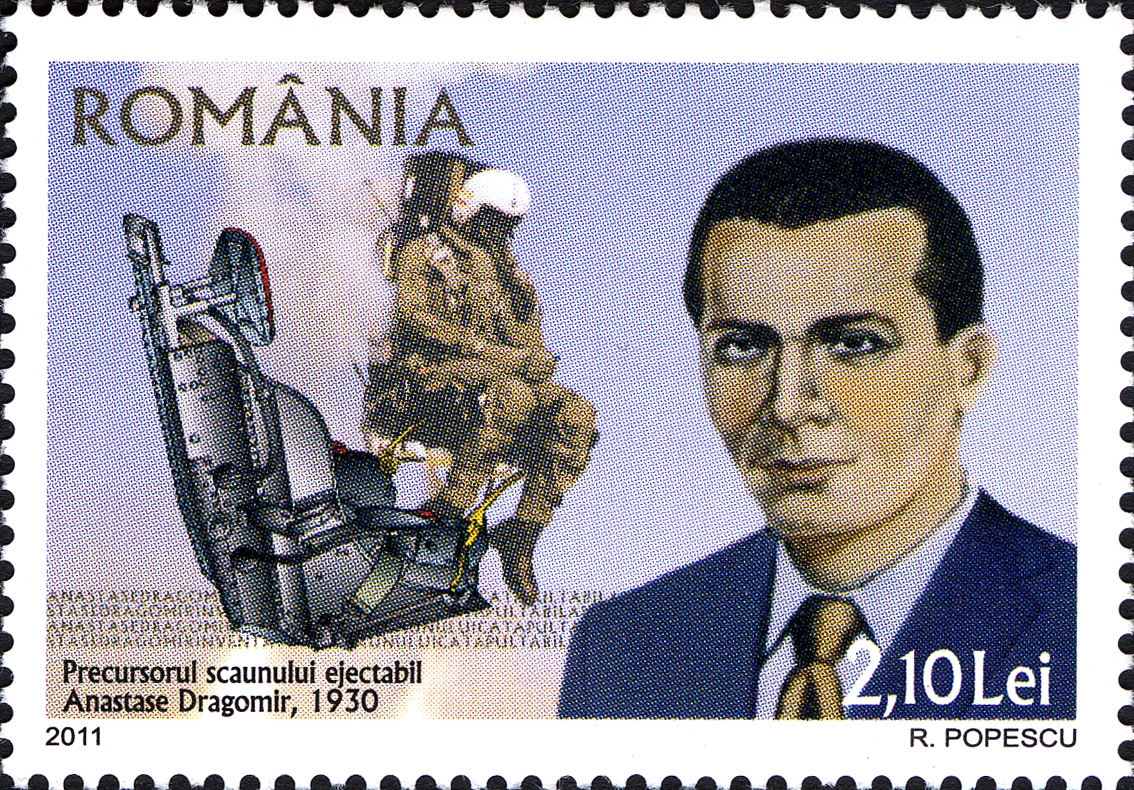
Discover four Romanian stories: Anastase Dragomir’s aviation invention, Bucharest’s SkyTower, Timișoara’s electric lighting history and the Carpathian Mountains.
Thank you for watching!
Explore the ten episodes.
- Episode 01 — Christmas, Food & Music
- Episode 02 — Castles, Landmarks & the Merry Cemetery
- Episode 03 — Ancient Humans, the Sphinx & Romanian Words
- Episode 04 — Waterways, Aviation & Wildlife
- Episode 05 — Comets, Aircraft & Hidden Places
- Episode 06 — Sporting Moments & Unexpected Records
- Episode 07 — Salt Mines, Wooden Churches & the Danube
- Episode 08 — A Volcanic Lake, Oil History & Aviation Pioneers
- Episode 09 — Tunnels, Churches & Everyday History
- Episode 10 — Inventions, City Landmarks & the Carpathians

















 conquered. This remote hamlet is a breathtaking marvel of nature and human endurance, where life hangs literally on the edge—cliffside homes clinging to slopes that make strong men dizzy and old women chuckle at lowlanders’ trepidation.
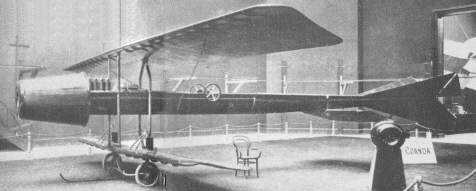
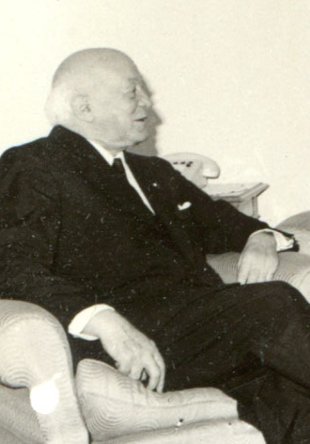 Henri Marie Coandă (Romanian pronunciation: [ɑ̃ˈri ˈko̯andə] (7 June 1886 – 25 November 1972) was a Romanian inventor, aerodynamics pioneer, and builder of an experimental aircraft, the Coandă-1910, which never flew. He invented a great number of devices, designed a “flying saucer” and discovered the Coandă effect of fluid dynamics.





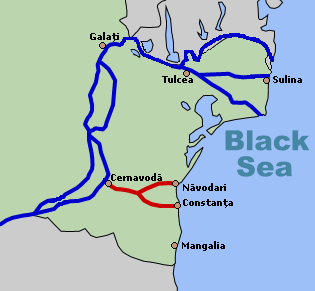
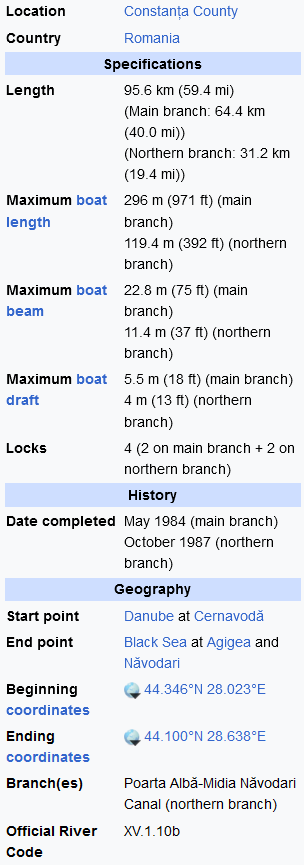 and Năvodari on the Black Sea. Administered from Agigea, it is an important part of the waterway link between the North Sea and the Black Sea via the Rhine–Main–Danube Canal. The main branch of the canal, with a length of 64.4 km (40.0 mi), which connects the Port of Cernavodă with the Port of Constanța, was built in 1976–1984, while the northern branch, known as the Poarta Albă–Midia Năvodari Canal, with a length of 31.2 km (19.4 mi), connecting Poarta Albă and the Port of Midia, was built between 1983 and 1987.
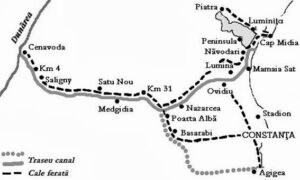 Although the idea of building a navigable canal between the Danube and the Black Sea is old, the first concrete attempt was made between 1949 and 1953, when the communist authorities of the time used this opportunity to eliminate political opponents, so the canal became notorious as the site of labor camps, when at any given time, between 5,000 and 20,000 detainees, mostly political prisoners, worked on its excavation. The total number of prisoners used as labor force during this period is unknown, with the total number of deaths being estimated at several tens of thousands. The construction works of the Danube–Black Sea Canal were to be resumed 20 years later, in different conditions.


 George Emil Palade (Fellowship of the Royal Society, Royal Microscopical Society) (Romanian pronunciation: [ˈdʒe̯ordʒe eˈmil paˈlade]; November 19, 1912 – October 7, 2008) was a Romanian-American cell biologist.
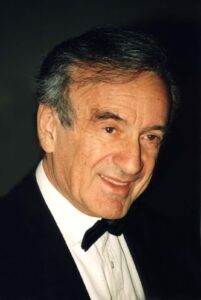 born American writer, professor, political activist, Nobel laureate, and Holocaust survivor. He authored 57 books, written mostly in French and English, including Night, a work based on his experiences as a Jewish prisoner in the Auschwitz and Buchenwald concentration camps.
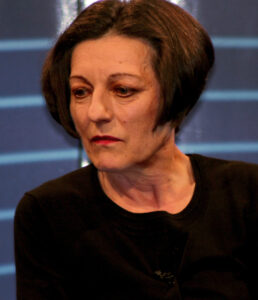 Herta Müller (born 17 August 1953) is a Romanian-born German novelist, poet and essayist noted for her works depicting the harsh conditions of life in Communist Romania under the repressive Nicolae Ceauşescu regime, the history of the Germans in the Banat (and more broadly, Transylvania), and the persecution of Romanian ethnic Germans by Stalinist Soviet occupying forces in Romania. Müller has been an internationally well-known author since the early 1990s, and her works have been translated into more than 20 languages. She has received over 20 awards, including the 1998 International IMPAC Dublin Literary Award. On 8 October 2009, it was announced she would be awarded the 2009 Nobel Prize in Literature.
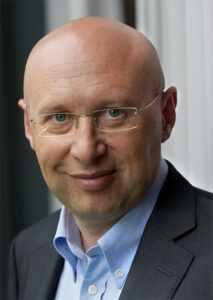 Sciences in Göttingen, and of the Max Planck Institute for Medical Research in Heidelberg, both of which are in Germany. He received the Nobel Prize in Chemistry in 2014 “for the development of super-resolved fluorescence microscopy”, together with Eric Betzig and William Moerner.