Cantacuzino Castle — Historic Interiors & Mountain Views
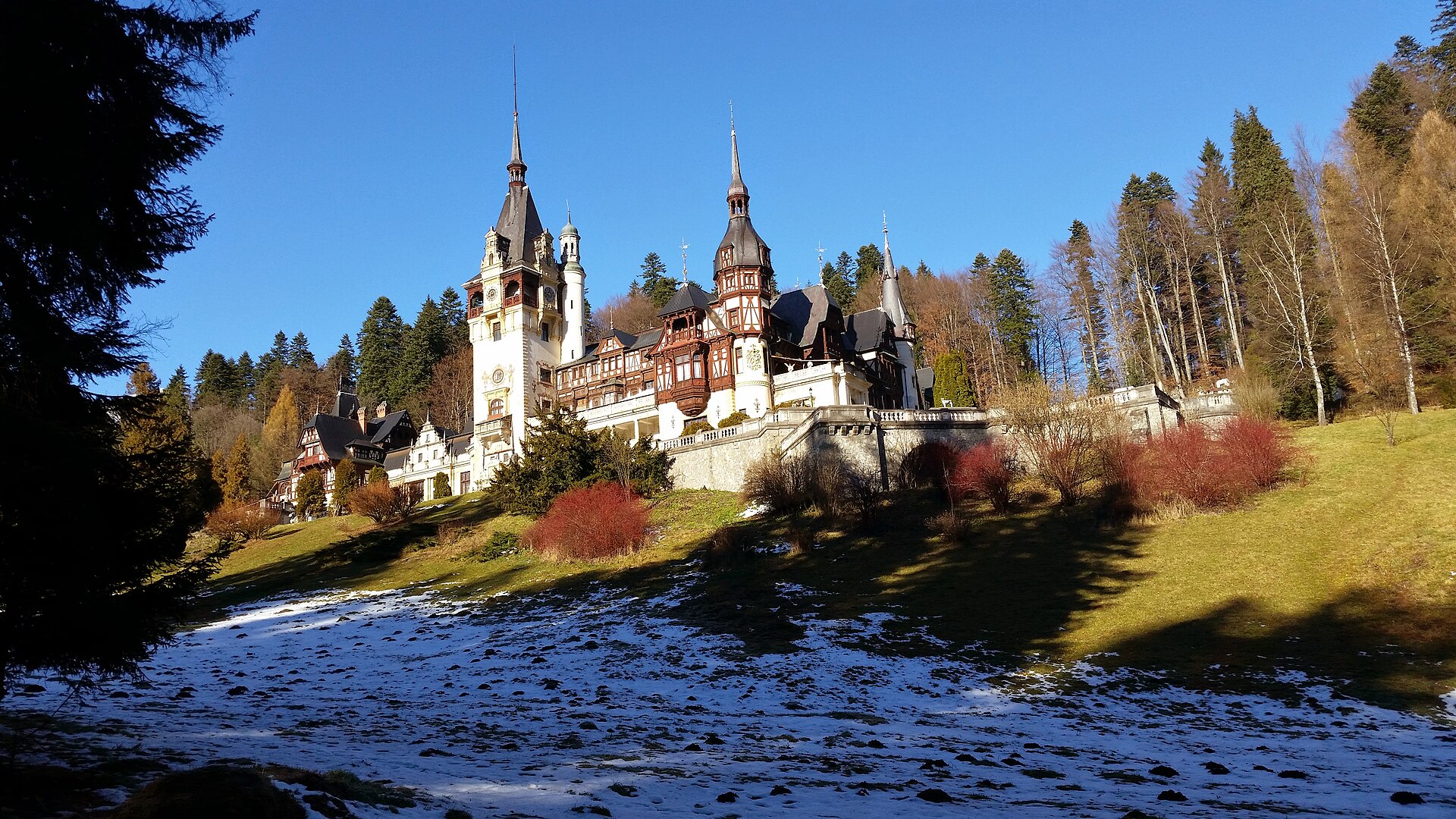
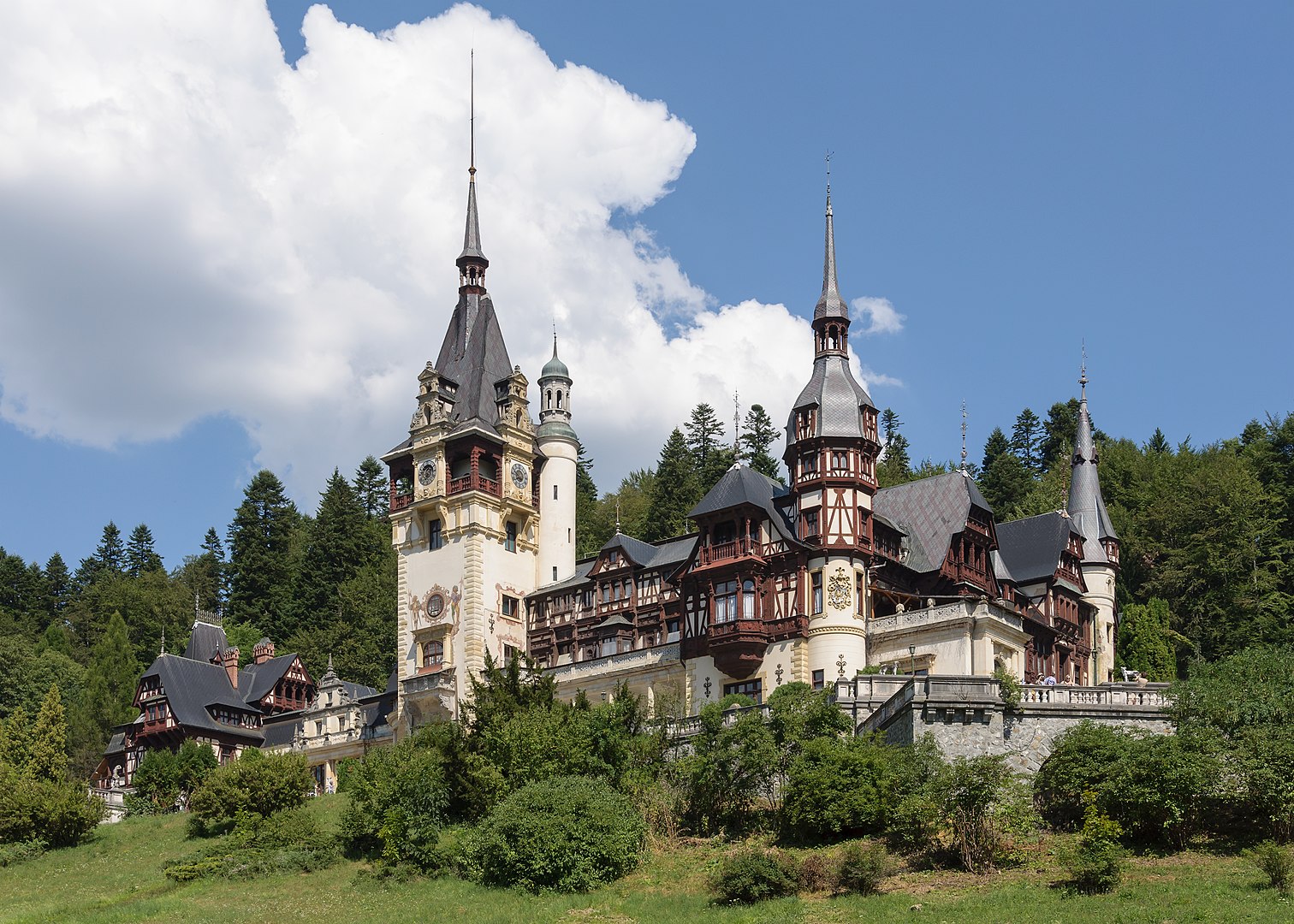
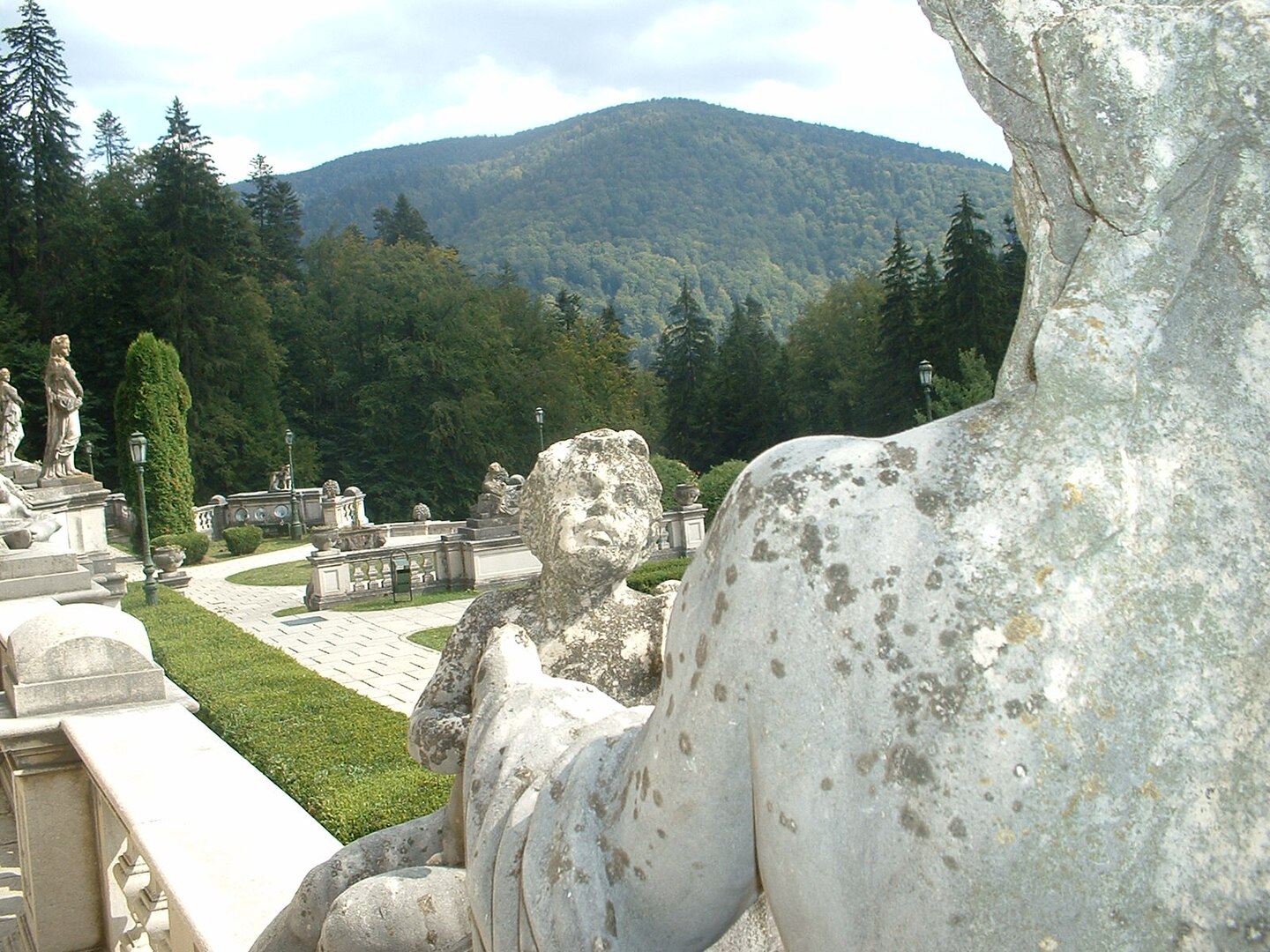
Set in Bușteni, overlooking the Bucegi Mountains, Cantacuzino Castle combines an aristocratic residence with a dramatic mountain backdrop. Completed in 1911 for Prince Gheorghe Grigore Cantacuzino, it was designed by architect Grigore Cerchez in Neo-Romanian and Neo-Brâncovenesc styles.
The exterior offers stone façades, arcades and terraces, with gardens and mountain views extending the visual possibilities beyond the building itself. Inside, stained glass, decorated ceilings, carved woodwork and ornamental stone details give the rooms a distinctive character.
The castle gained international recognition as a filming location for the first season of Wednesday. Its existing architecture and landscape also offer possibilities for period stories, contemporary drama, commercials and documentary work, depending on the spaces selected and the production design.
For scouting, interiors and exterior areas should be considered separately. Camera positions, natural light, equipment routes and the relationship between the building and its surroundings will influence the suitability of each setting.
Filming requires advance coordination with the estate management. Room availability, exhibitions, visitor circulation, equipment access and protection of decorative surfaces must be assessed. Dressing, rigging, lighting changes and special effects remain subject to approval.

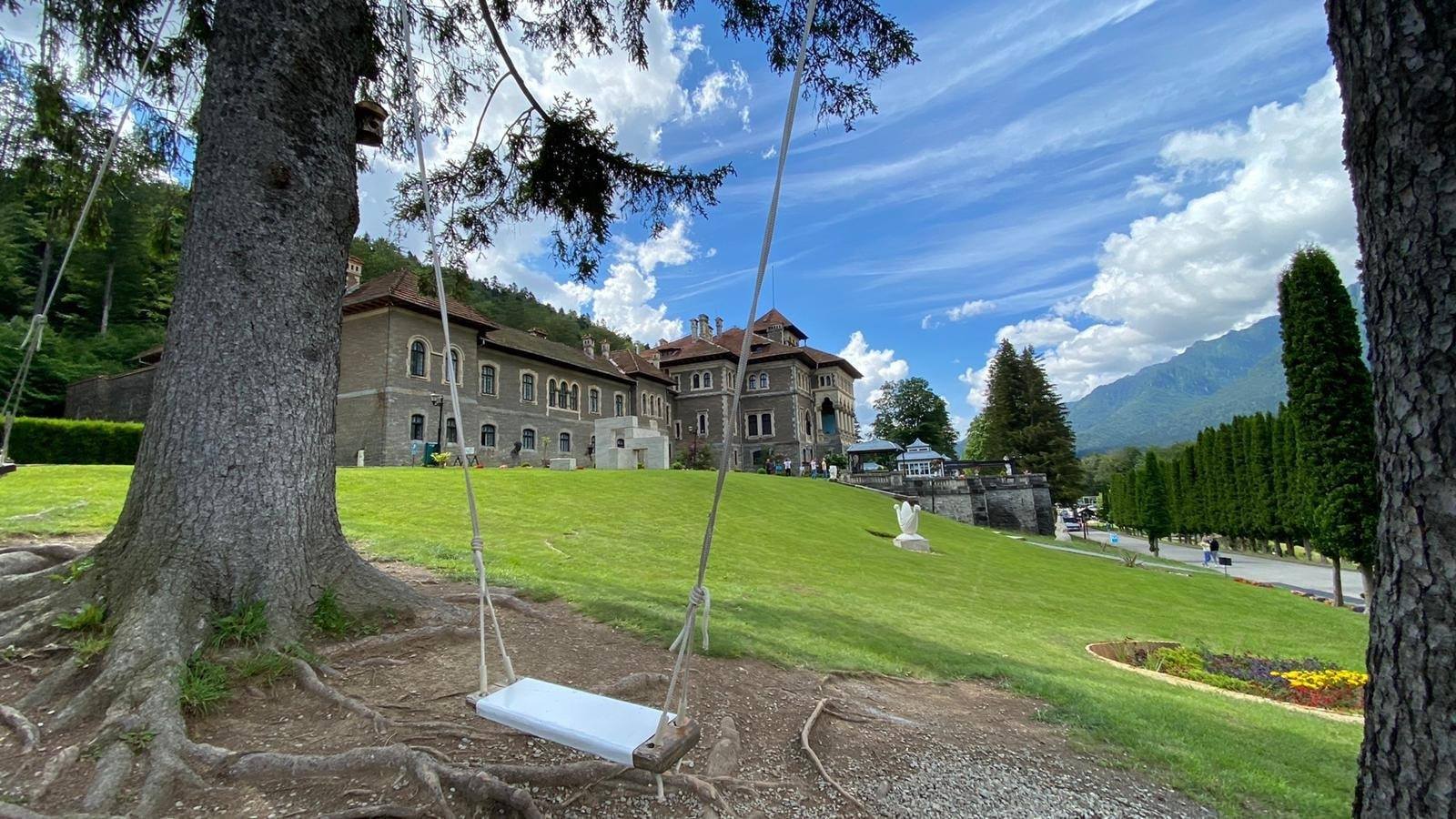
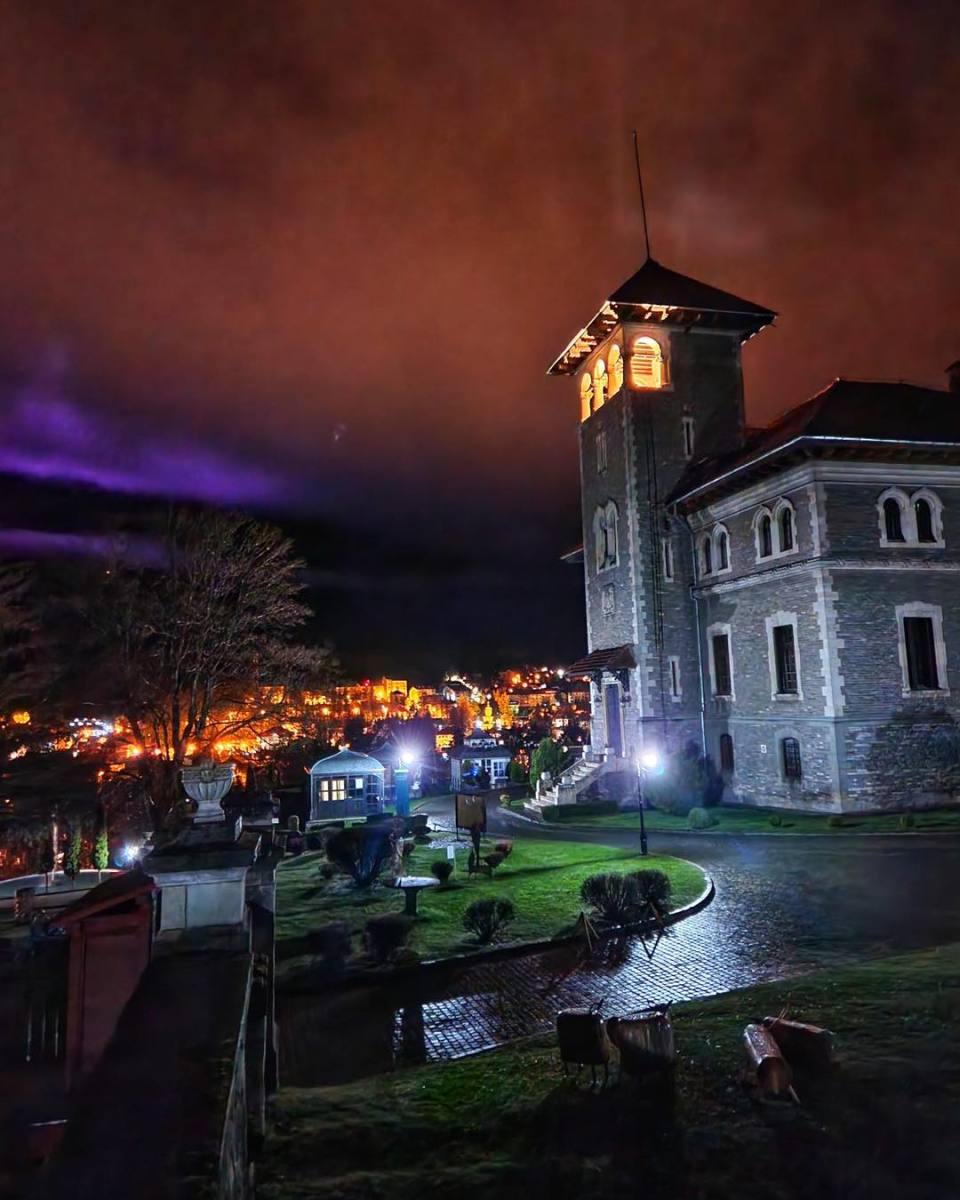
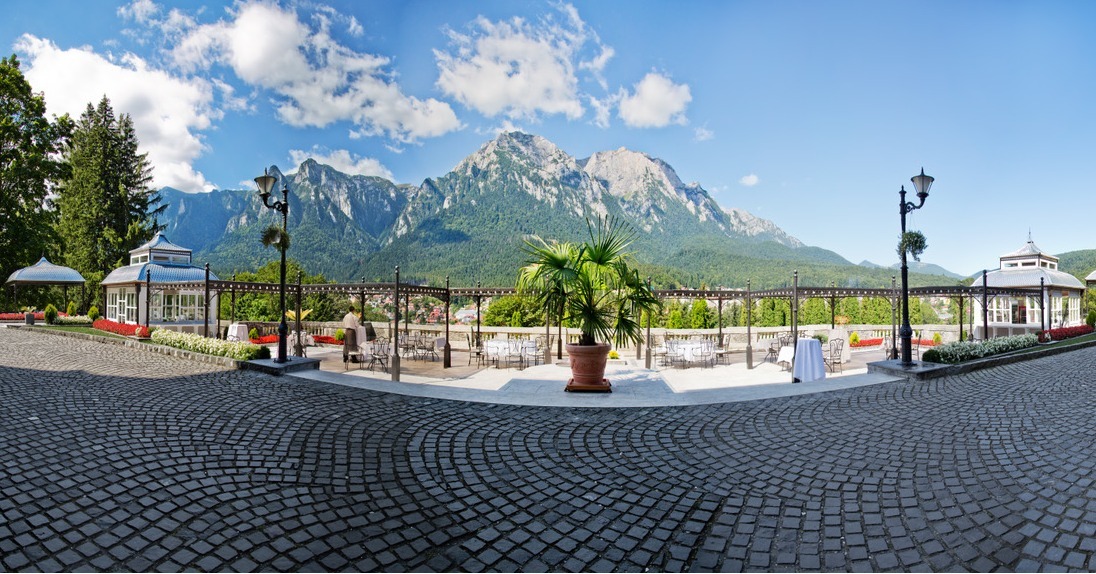

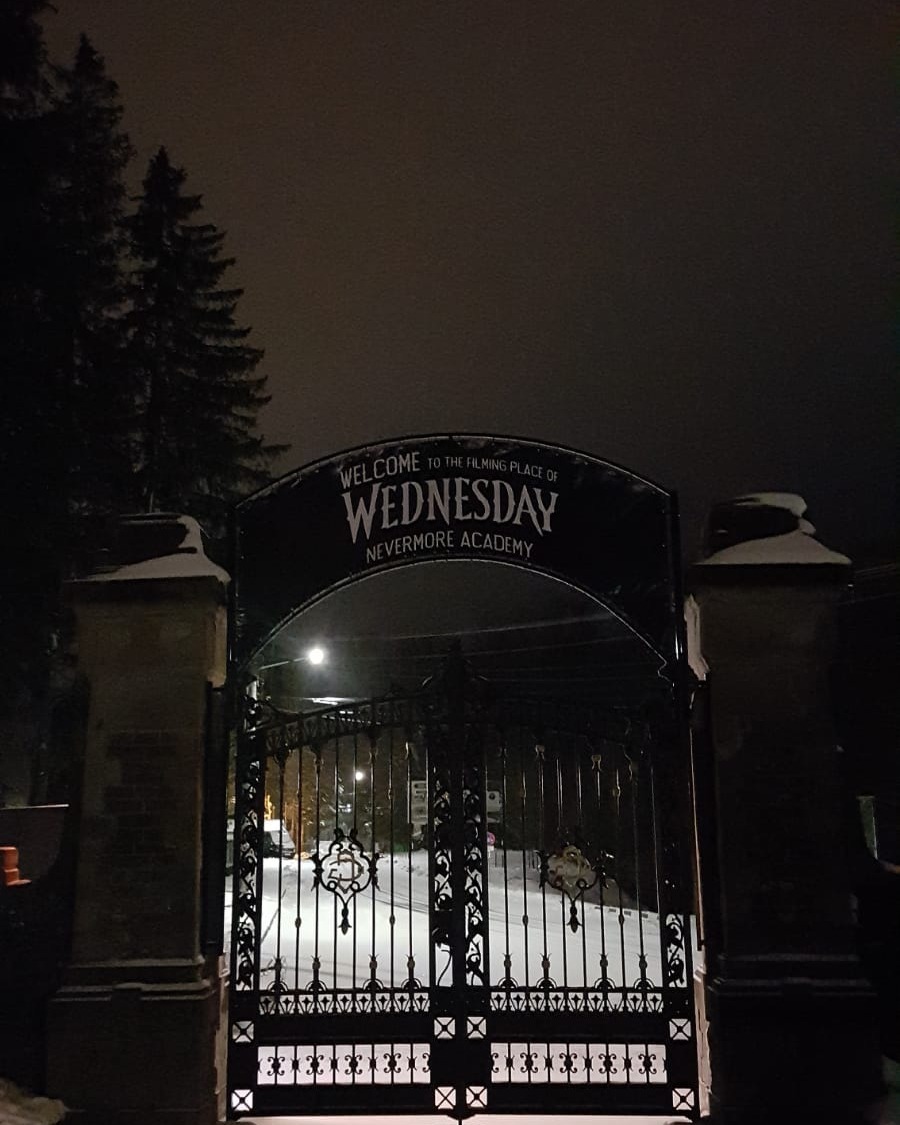
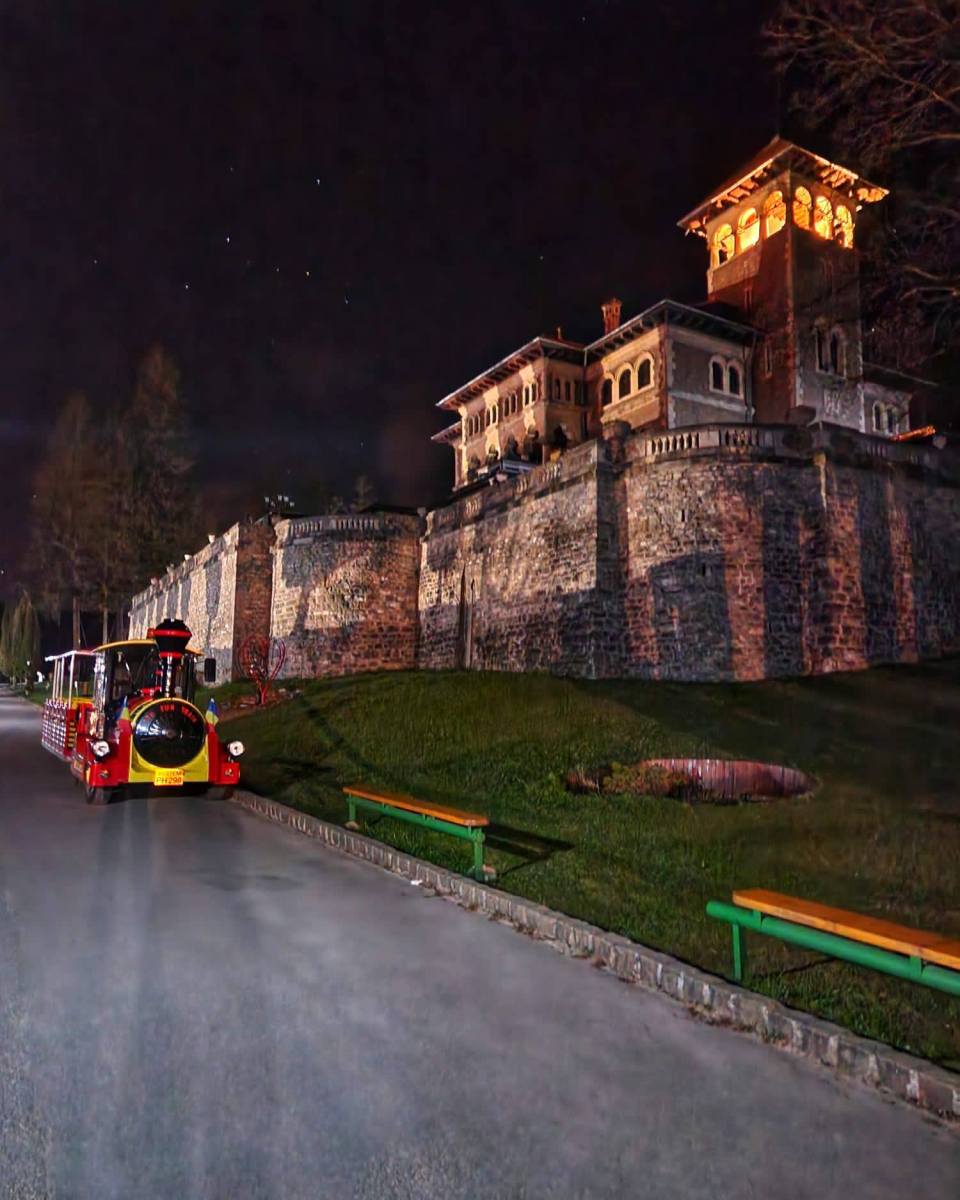
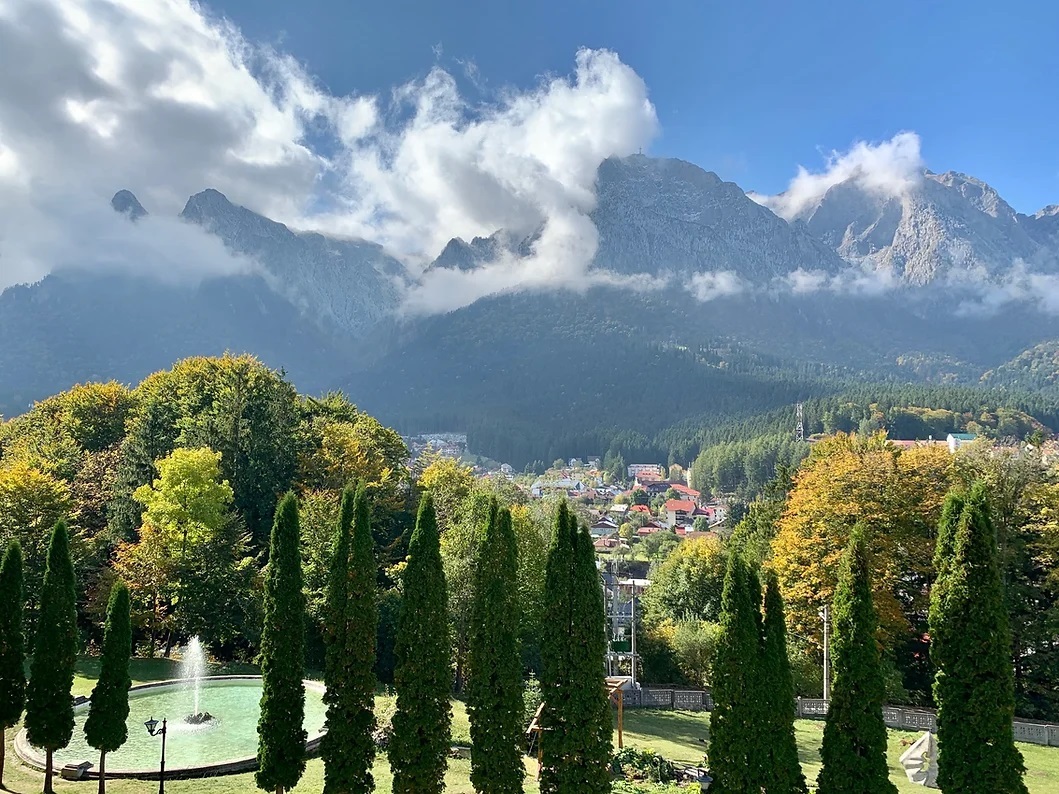

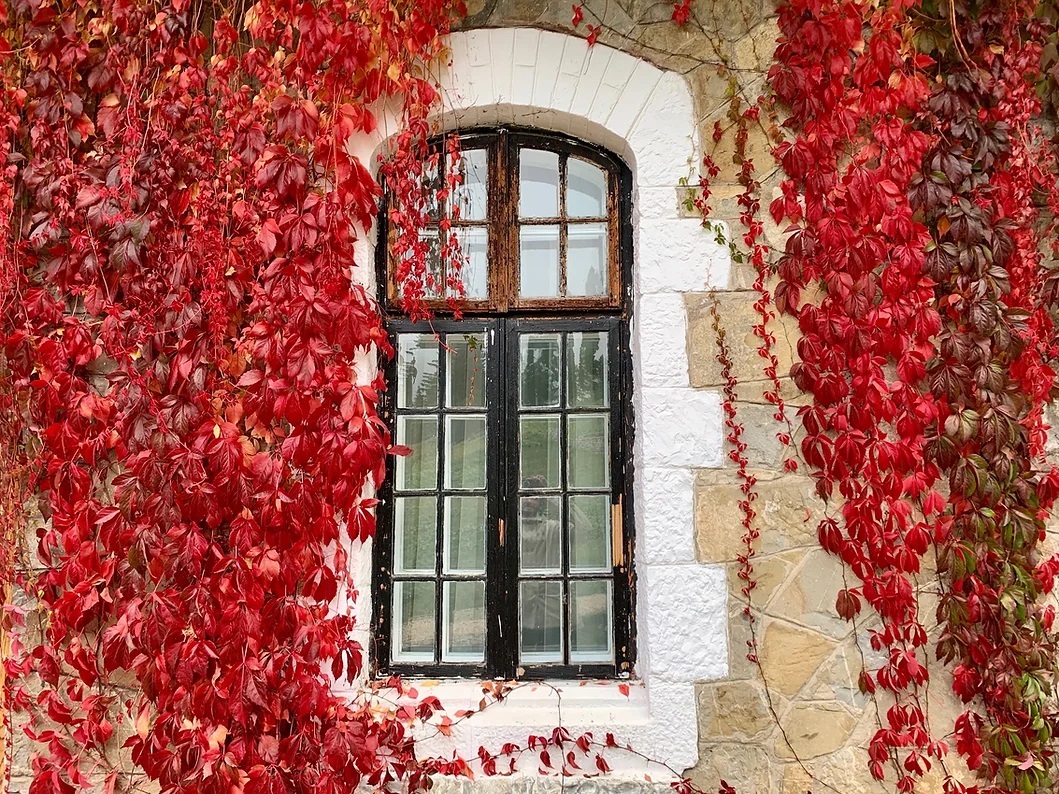

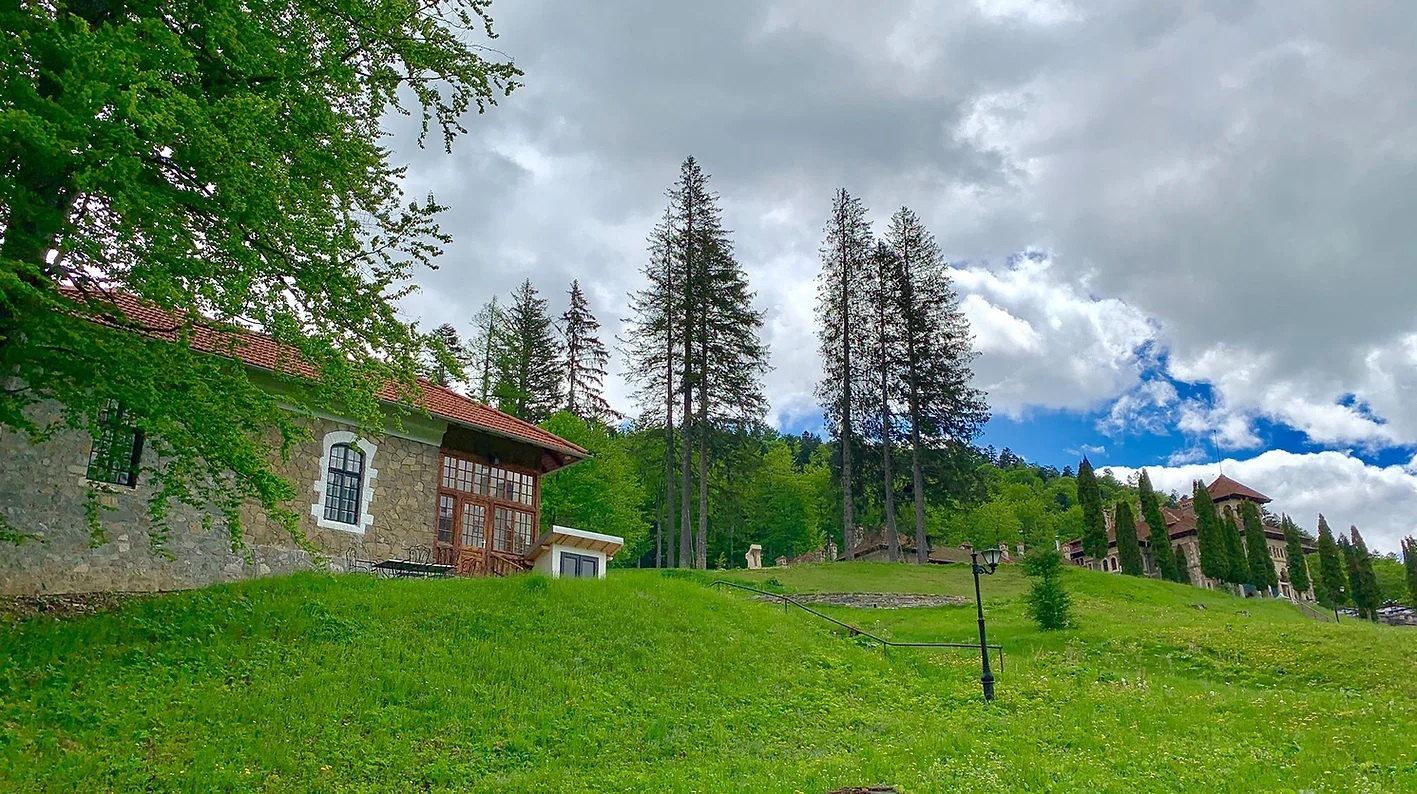
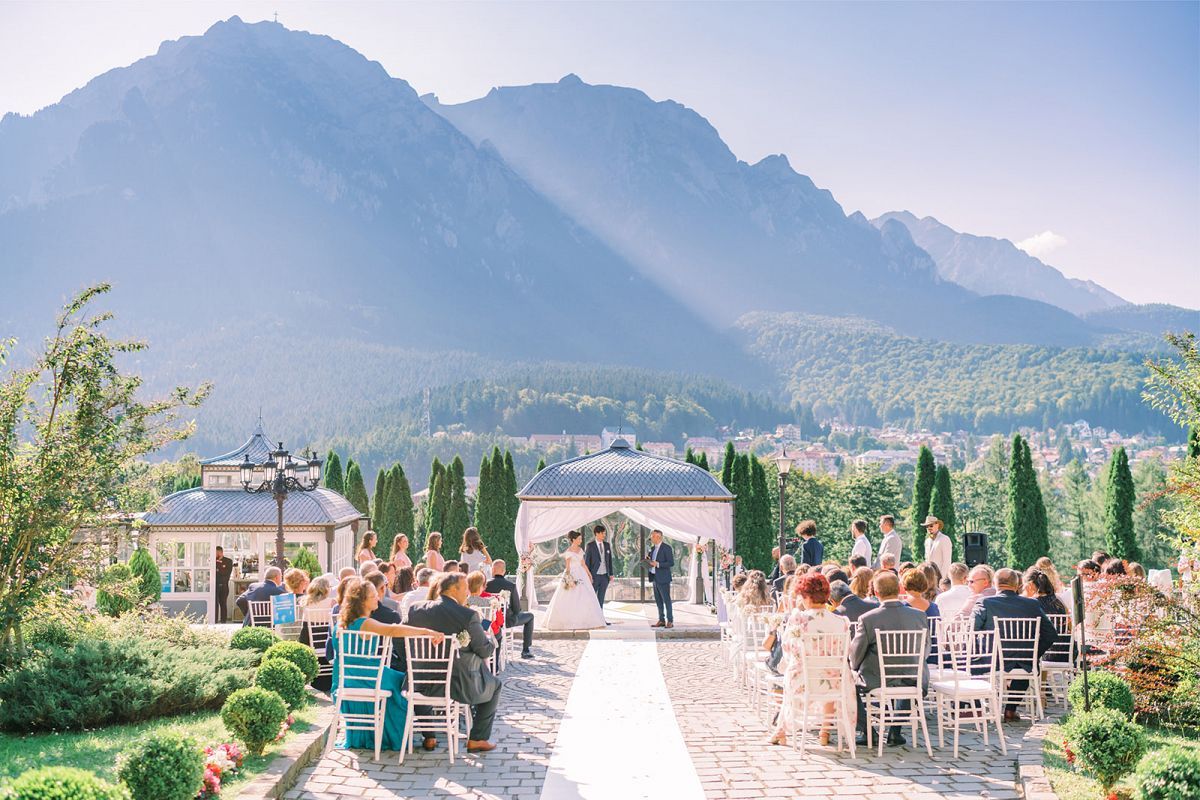
In 2022, the castle was a filming location for the Netflix series Wednesday.
Planning a shoot at Cantacuzino Castle?
Download and complete the Location Scouting Checklist with your production requirements, then email it to info [@] romaniafilm.com. Your brief will help us assess the location for your project and begin the relevant checks and coordination.
If some details are still undecided, complete what you can and indicate what remains to be confirmed.










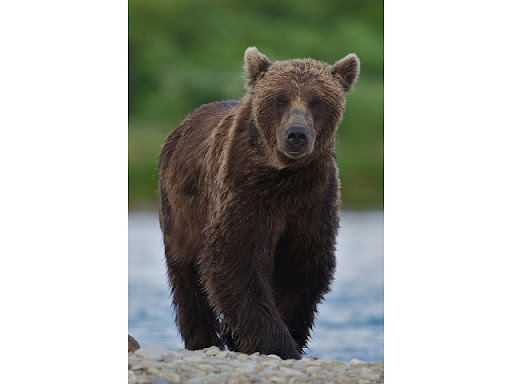










 conquered. This remote hamlet is a breathtaking marvel of nature and human endurance, where life hangs literally on the edge—cliffside homes clinging to slopes that make strong men dizzy and old women chuckle at lowlanders’ trepidation.
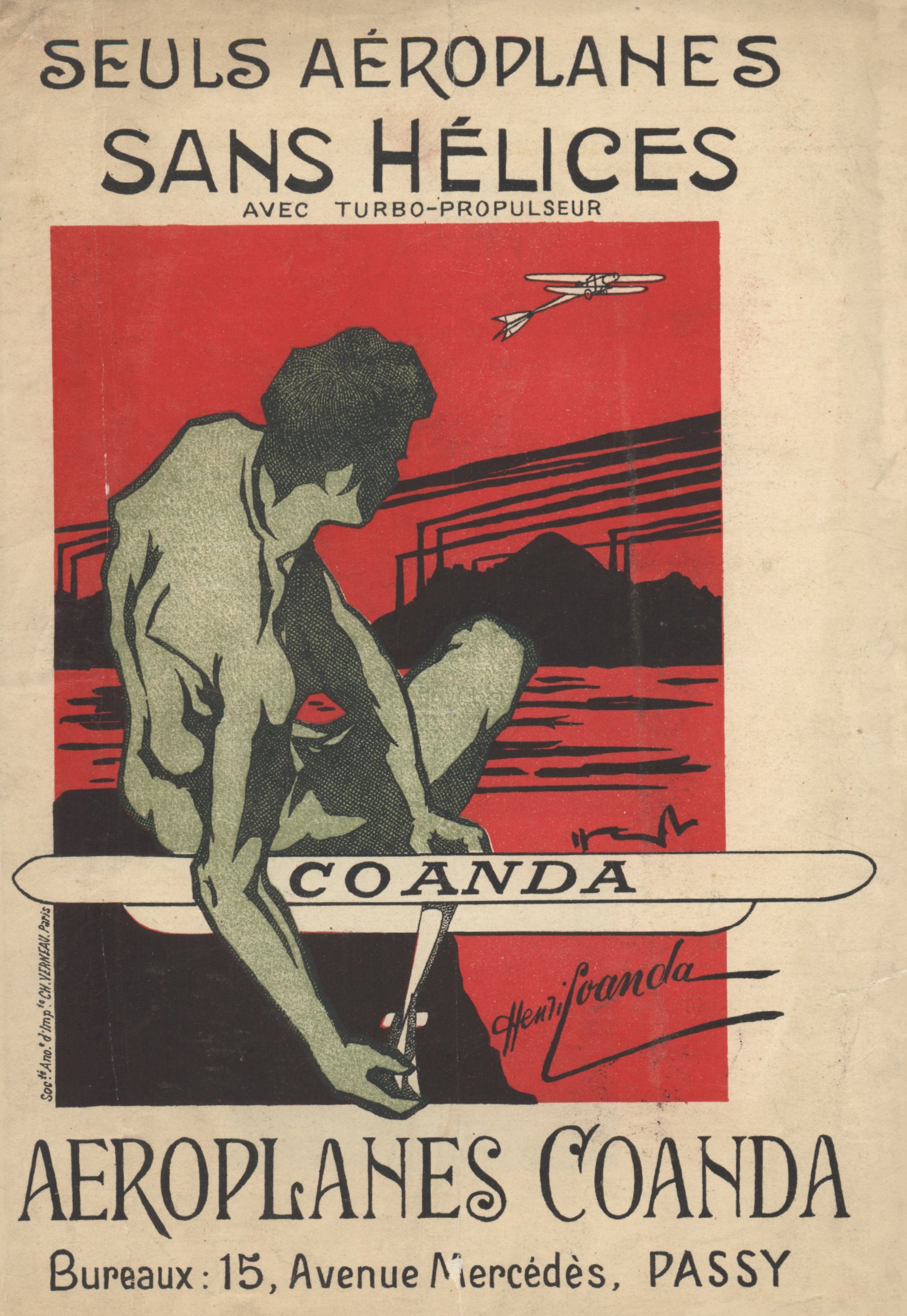
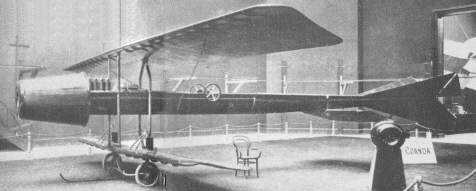
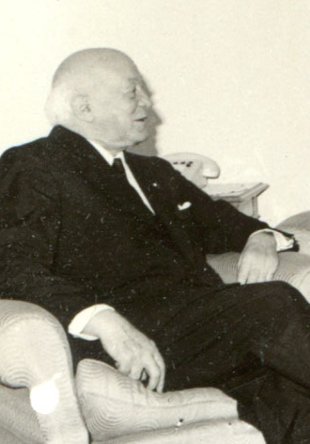 Henri Marie Coandă (Romanian pronunciation: [ɑ̃ˈri ˈko̯andə] (7 June 1886 – 25 November 1972) was a Romanian inventor, aerodynamics pioneer, and builder of an experimental aircraft, the Coandă-1910, which never flew. He invented a great number of devices, designed a “flying saucer” and discovered the Coandă effect of fluid dynamics.





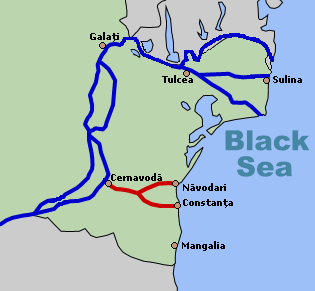
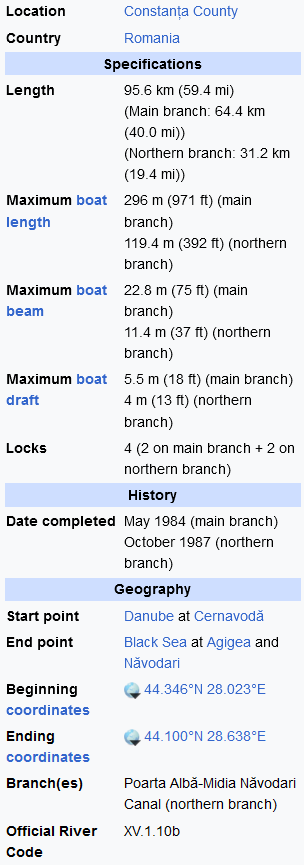 and Năvodari on the Black Sea. Administered from Agigea, it is an important part of the waterway link between the North Sea and the Black Sea via the Rhine–Main–Danube Canal. The main branch of the canal, with a length of 64.4 km (40.0 mi), which connects the Port of Cernavodă with the Port of Constanța, was built in 1976–1984, while the northern branch, known as the Poarta Albă–Midia Năvodari Canal, with a length of 31.2 km (19.4 mi), connecting Poarta Albă and the Port of Midia, was built between 1983 and 1987.
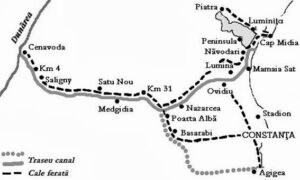 Although the idea of building a navigable canal between the Danube and the Black Sea is old, the first concrete attempt was made between 1949 and 1953, when the communist authorities of the time used this opportunity to eliminate political opponents, so the canal became notorious as the site of labor camps, when at any given time, between 5,000 and 20,000 detainees, mostly political prisoners, worked on its excavation. The total number of prisoners used as labor force during this period is unknown, with the total number of deaths being estimated at several tens of thousands. The construction works of the Danube–Black Sea Canal were to be resumed 20 years later, in different conditions.


 George Emil Palade (Fellowship of the Royal Society, Royal Microscopical Society) (Romanian pronunciation: [ˈdʒe̯ordʒe eˈmil paˈlade]; November 19, 1912 – October 7, 2008) was a Romanian-American cell biologist.
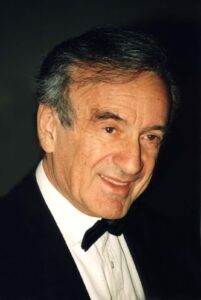 born American writer, professor, political activist, Nobel laureate, and Holocaust survivor. He authored 57 books, written mostly in French and English, including Night, a work based on his experiences as a Jewish prisoner in the Auschwitz and Buchenwald concentration camps.
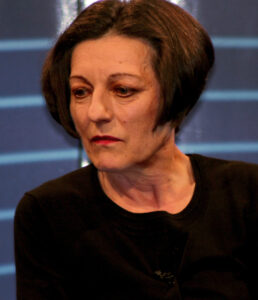 Herta Müller (born 17 August 1953) is a Romanian-born German novelist, poet and essayist noted for her works depicting the harsh conditions of life in Communist Romania under the repressive Nicolae Ceauşescu regime, the history of the Germans in the Banat (and more broadly, Transylvania), and the persecution of Romanian ethnic Germans by Stalinist Soviet occupying forces in Romania. Müller has been an internationally well-known author since the early 1990s, and her works have been translated into more than 20 languages. She has received over 20 awards, including the 1998 International IMPAC Dublin Literary Award. On 8 October 2009, it was announced she would be awarded the 2009 Nobel Prize in Literature.
 Sciences in Göttingen, and of the Max Planck Institute for Medical Research in Heidelberg, both of which are in Germany. He received the Nobel Prize in Chemistry in 2014 “for the development of super-resolved fluorescence microscopy”, together with Eric Betzig and William Moerner.