Romania offers a wide range of settings for international productions. A city interview, a mountain road and a rural exterior can all belong to the same creative concept. Bringing them into one workable shooting schedule takes more than placing pins on a map.
When filming across Romania, travel time affects how much your crew can achieve each day. It also shapes transport arrangements, accommodation and the time available to prepare each location.
A location move takes more than the drive
The journey between two locations is only one part of a production move.
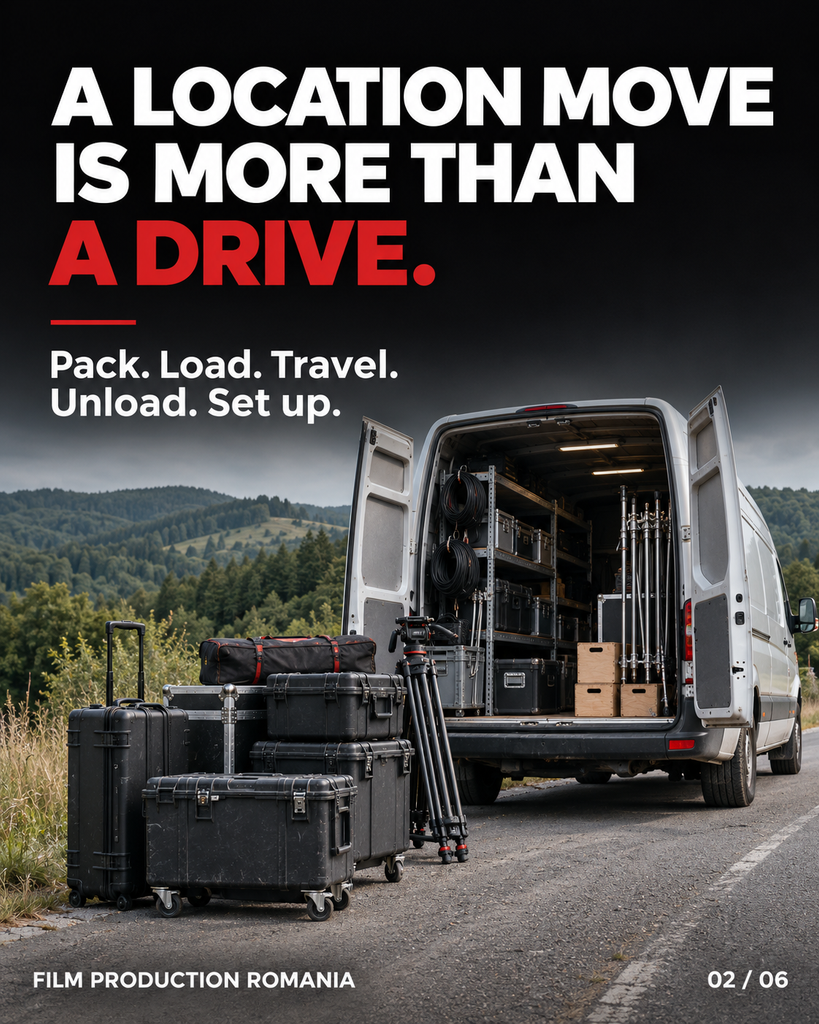
Before leaving, the team needs to wrap the first setup, pack equipment and load vehicles. At the next stop, they need to park, unload, reach the filming position and prepare again.
A short drive can therefore occupy a substantial part of the working day. The effect depends on the size of the crew, the equipment package and the access arrangements at both locations.
Planning the full move gives the producer a more useful picture than the driving time alone.
Protect the time you need on location
An ambitious route can look efficient on paper while leaving too little time for the actual shoot.
An interview needs setup and sound checks. An exterior may depend on a particular direction of light. A location with a limited access window leaves less room for delays elsewhere in the day.
Building the schedule around those requirements helps identify which scenes can realistically share a day. It also makes the trade-offs visible before the crew travels.
Sometimes, staying longer at one location creates more useful material than adding another stop.
Group locations into practical shooting areas
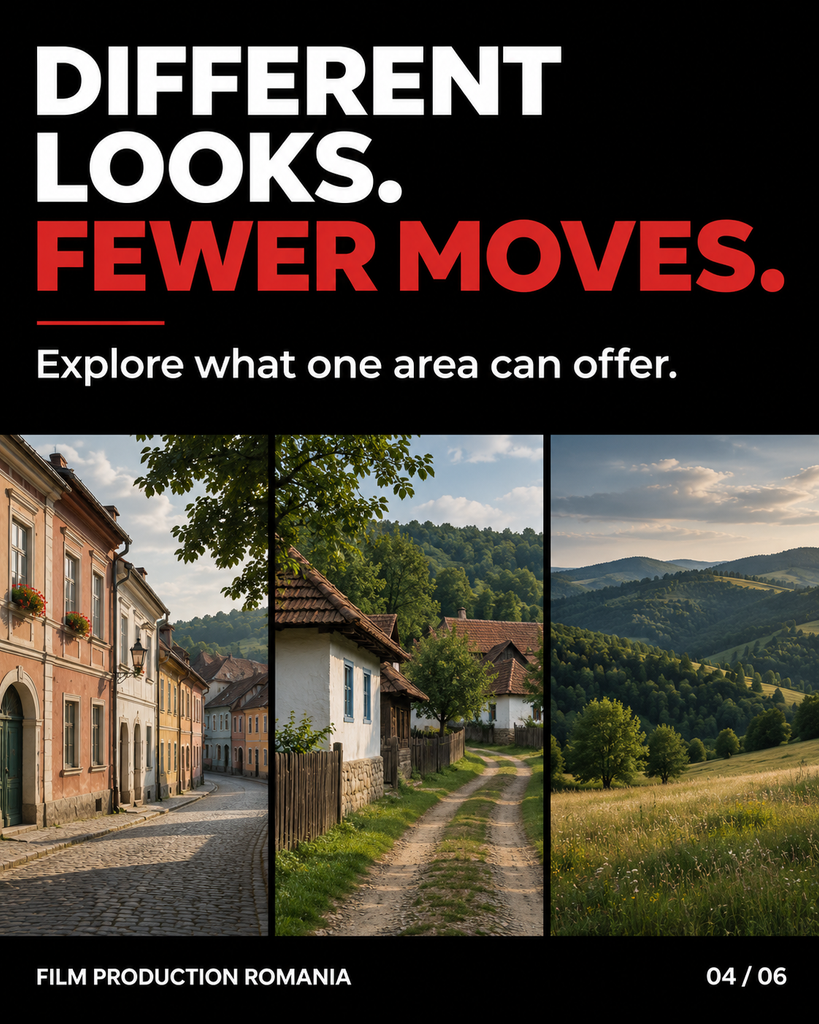
When a brief calls for several different looks, it helps to assess which can be found within the same area.
A suitable production base may offer access to urban streets, residential settings and countryside without moving accommodation every night. For another project, changing the base may be the more practical choice.
The right approach follows the scenes, the crew’s arrival and departure points, and the resources needed locally.
During scouting, visual suitability and travel logistics should be considered together. A location that fits the frame also needs to fit the day.
Choose accommodation around the route
Accommodation is part of production planning.
Staying close to the next morning’s location can reduce an early transfer. Keeping the same base for several nights can simplify coordination and avoid repeated packing and check-in.
Those benefits need to be weighed against the route, parking requirements and the practical needs of the travelling team.
The most useful base is the one that supports the shooting schedule as a whole.
Leave room for the final approach
The last part of a journey deserves particular attention.
Reaching a town or village does not necessarily mean reaching the filming position. The final approach may involve a narrow road, a separate parking area, a walk with equipment or arrangements with a property owner.
Checking these details during scouting helps determine the vehicles, unloading time and local support required.
It also helps visiting teams arrive with a clear understanding of how the location will work.
Build the route alongside the creative plan
Travel planning is most effective while location choices and shooting dates are still being developed.
At Film Production Romania, we consider location scouting alongside crew, equipment, transport and accommodation requirements. This helps international producers assess options and build a practical plan around their project.
Planning a shoot across Romania?
Share your proposed locations, filming dates and crew requirements with Film Production Romania.
filmproductionromania.com
info@filmproductionromania.com



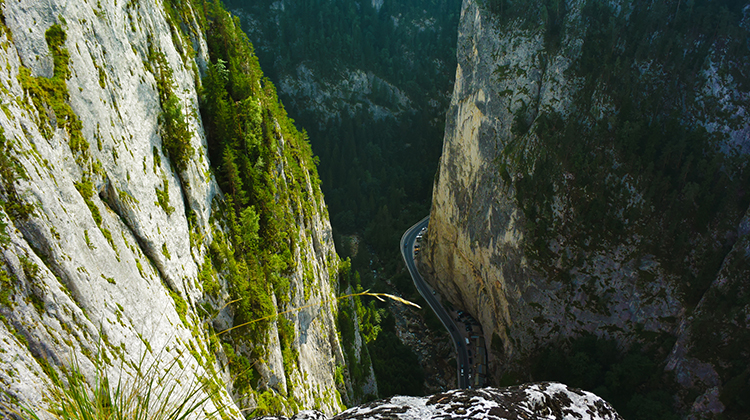





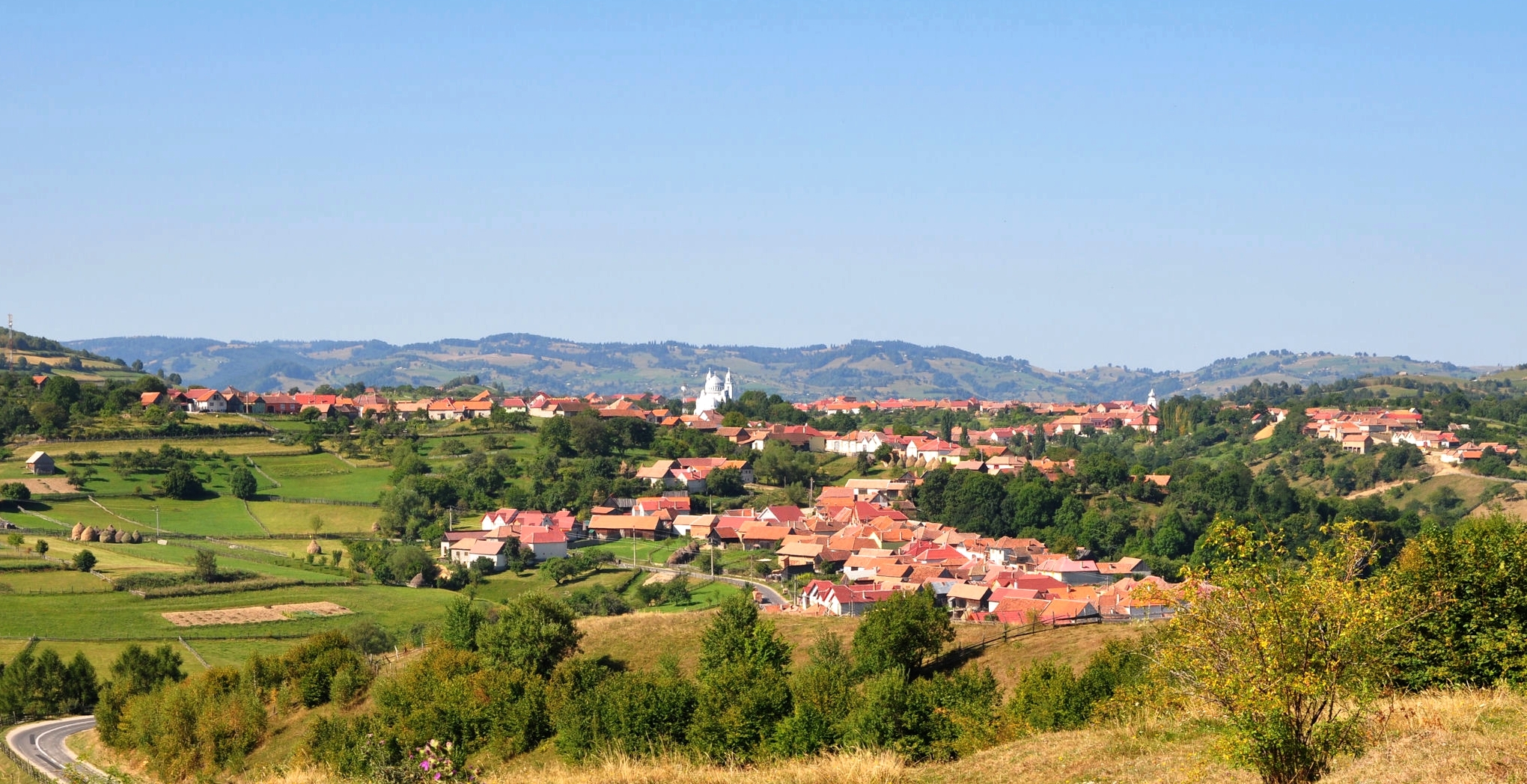






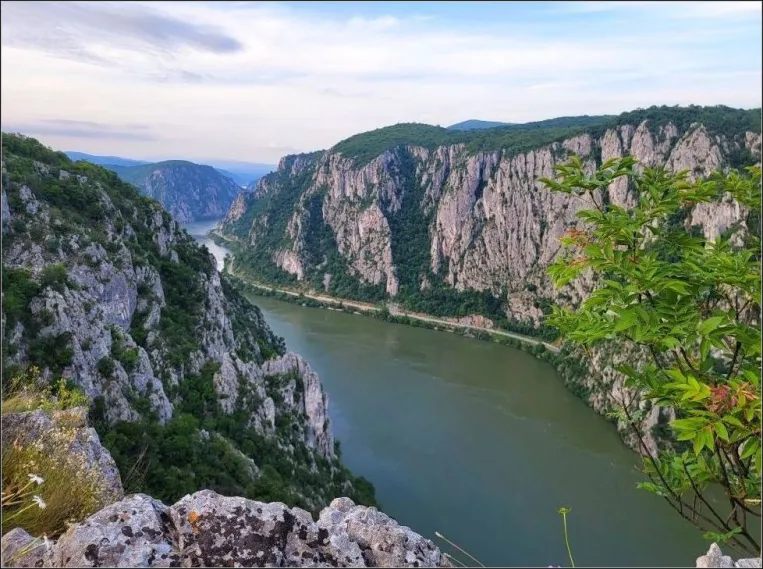


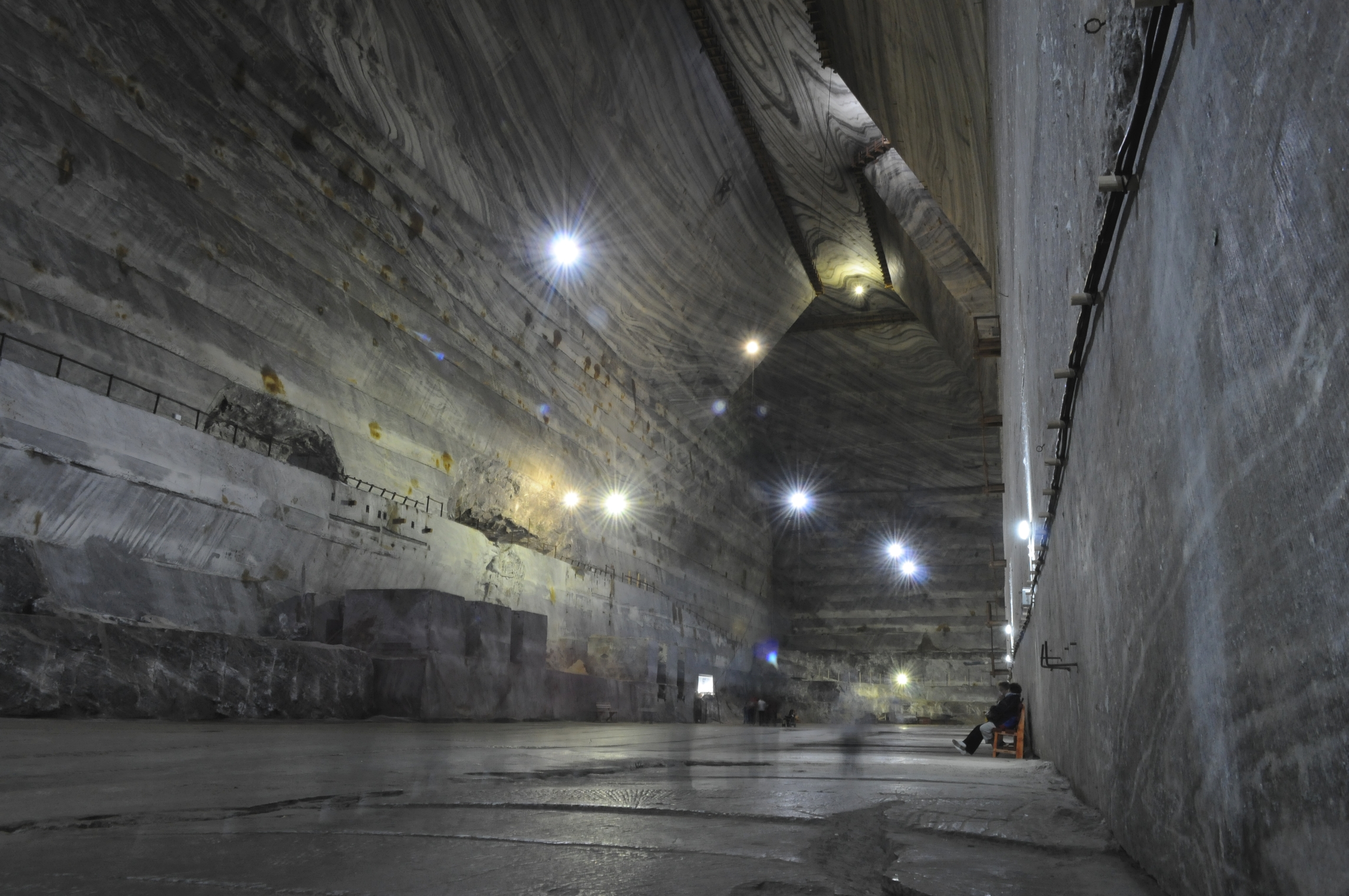
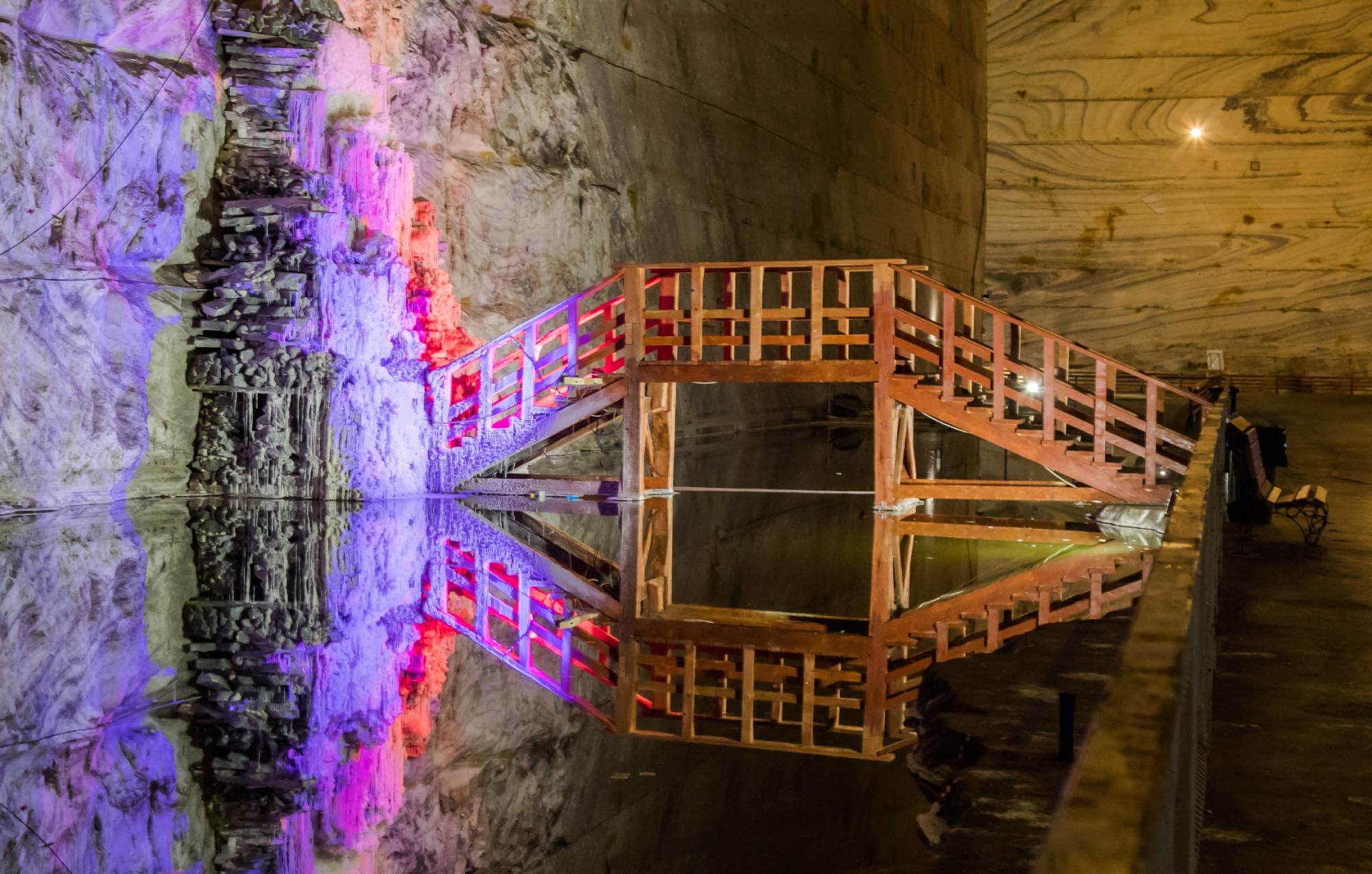
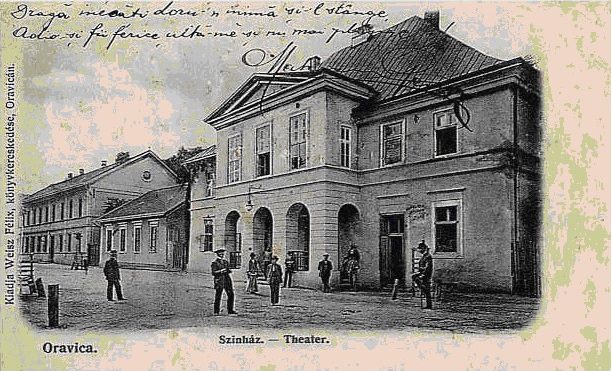
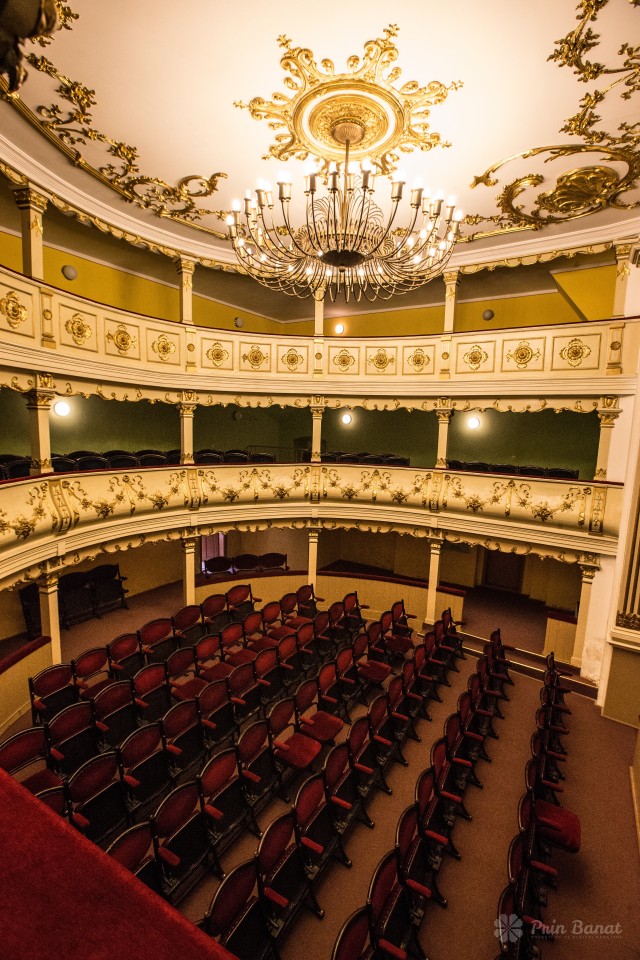
 conquered. This remote hamlet is a breathtaking marvel of nature and human endurance, where life hangs literally on the edge—cliffside homes clinging to slopes that make strong men dizzy and old women chuckle at lowlanders’ trepidation.
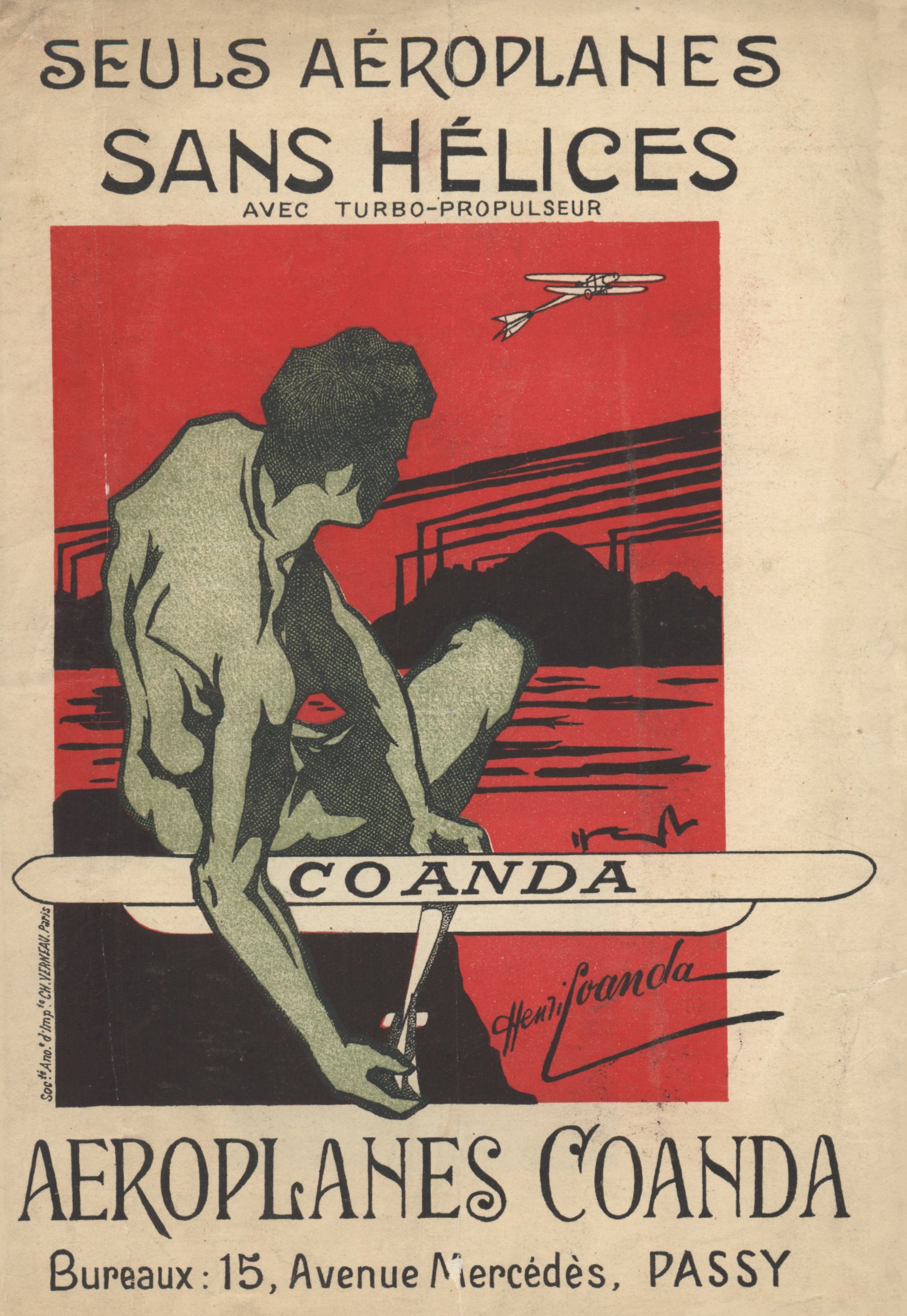
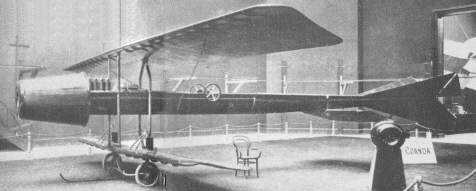
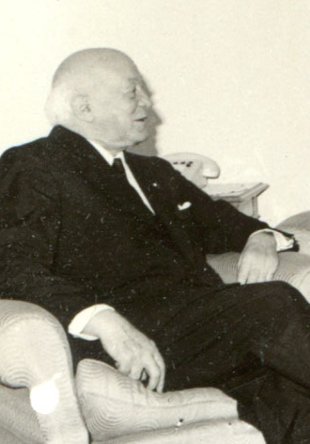 Henri Marie Coandă (Romanian pronunciation: [ɑ̃ˈri ˈko̯andə] (7 June 1886 – 25 November 1972) was a Romanian inventor, aerodynamics pioneer, and builder of an experimental aircraft, the Coandă-1910, which never flew. He invented a great number of devices, designed a “flying saucer” and discovered the Coandă effect of fluid dynamics.





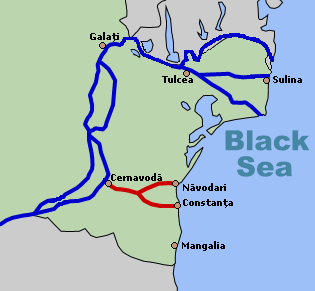
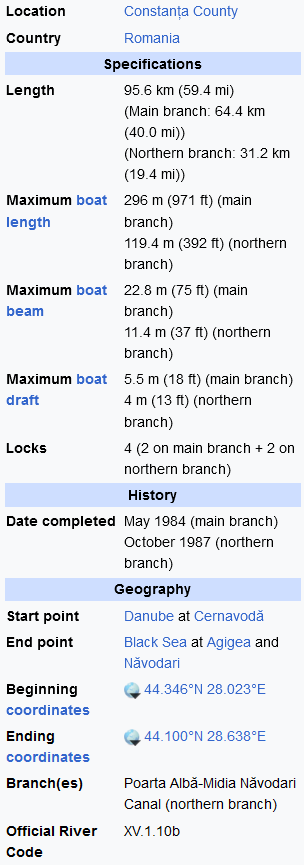 and Năvodari on the Black Sea. Administered from Agigea, it is an important part of the waterway link between the North Sea and the Black Sea via the Rhine–Main–Danube Canal. The main branch of the canal, with a length of 64.4 km (40.0 mi), which connects the Port of Cernavodă with the Port of Constanța, was built in 1976–1984, while the northern branch, known as the Poarta Albă–Midia Năvodari Canal, with a length of 31.2 km (19.4 mi), connecting Poarta Albă and the Port of Midia, was built between 1983 and 1987.
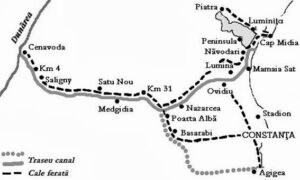 Although the idea of building a navigable canal between the Danube and the Black Sea is old, the first concrete attempt was made between 1949 and 1953, when the communist authorities of the time used this opportunity to eliminate political opponents, so the canal became notorious as the site of labor camps, when at any given time, between 5,000 and 20,000 detainees, mostly political prisoners, worked on its excavation. The total number of prisoners used as labor force during this period is unknown, with the total number of deaths being estimated at several tens of thousands. The construction works of the Danube–Black Sea Canal were to be resumed 20 years later, in different conditions.


 George Emil Palade (Fellowship of the Royal Society, Royal Microscopical Society) (Romanian pronunciation: [ˈdʒe̯ordʒe eˈmil paˈlade]; November 19, 1912 – October 7, 2008) was a Romanian-American cell biologist.
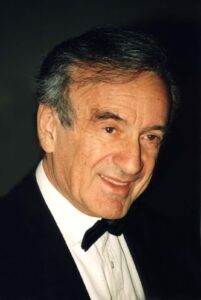 born American writer, professor, political activist, Nobel laureate, and Holocaust survivor. He authored 57 books, written mostly in French and English, including Night, a work based on his experiences as a Jewish prisoner in the Auschwitz and Buchenwald concentration camps.
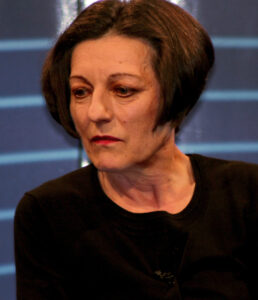 Herta Müller (born 17 August 1953) is a Romanian-born German novelist, poet and essayist noted for her works depicting the harsh conditions of life in Communist Romania under the repressive Nicolae Ceauşescu regime, the history of the Germans in the Banat (and more broadly, Transylvania), and the persecution of Romanian ethnic Germans by Stalinist Soviet occupying forces in Romania. Müller has been an internationally well-known author since the early 1990s, and her works have been translated into more than 20 languages. She has received over 20 awards, including the 1998 International IMPAC Dublin Literary Award. On 8 October 2009, it was announced she would be awarded the 2009 Nobel Prize in Literature.
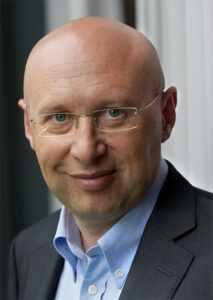 Sciences in Göttingen, and of the Max Planck Institute for Medical Research in Heidelberg, both of which are in Germany. He received the Nobel Prize in Chemistry in 2014 “for the development of super-resolved fluorescence microscopy”, together with Eric Betzig and William Moerner.